
Last updated November 2, 2026
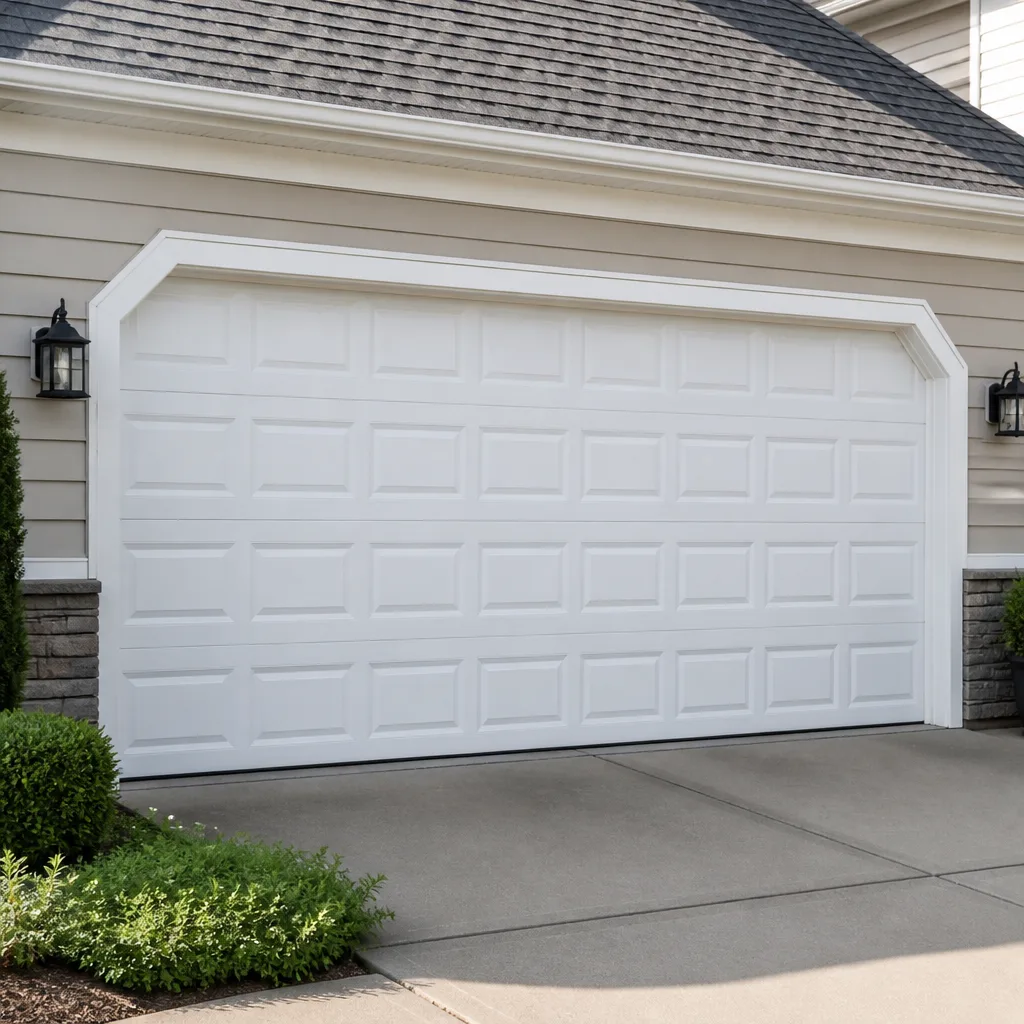 Raised-panel steel
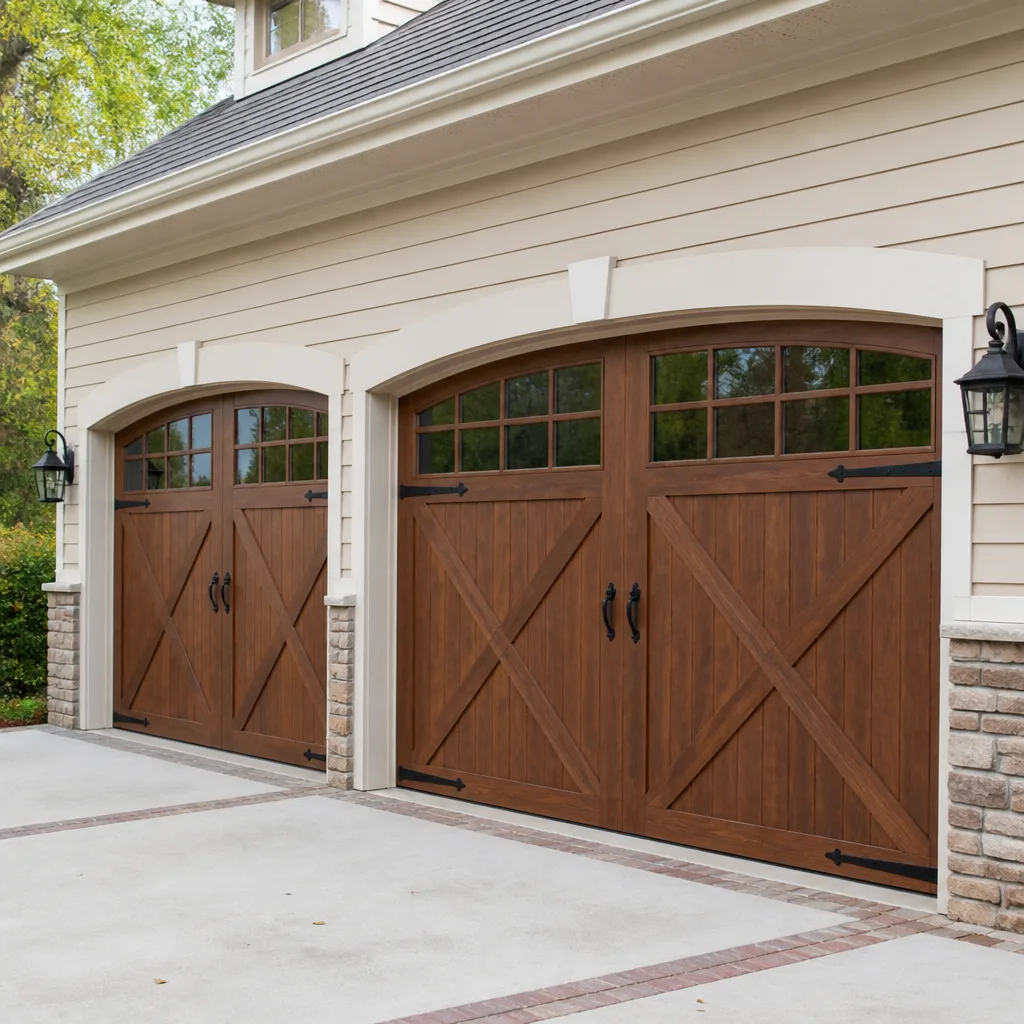 Carriage house
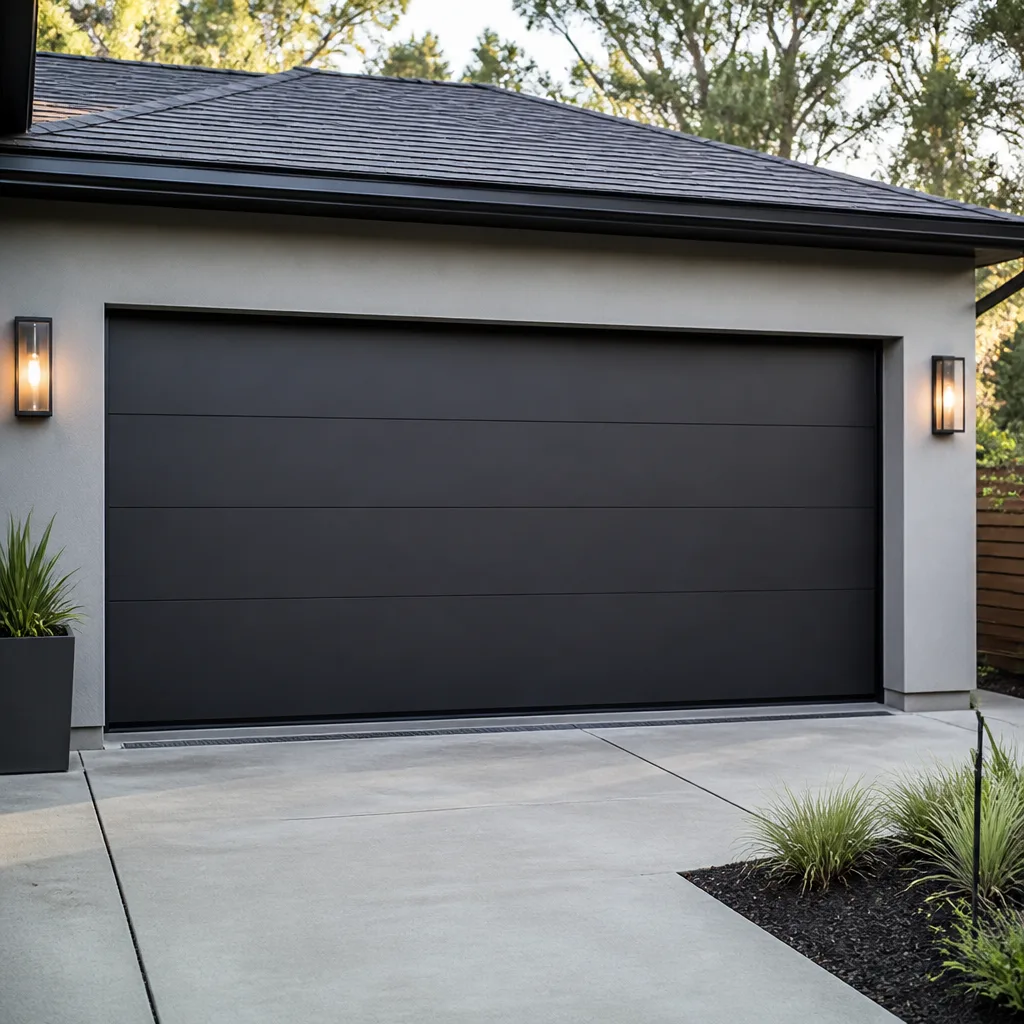 Modern flush
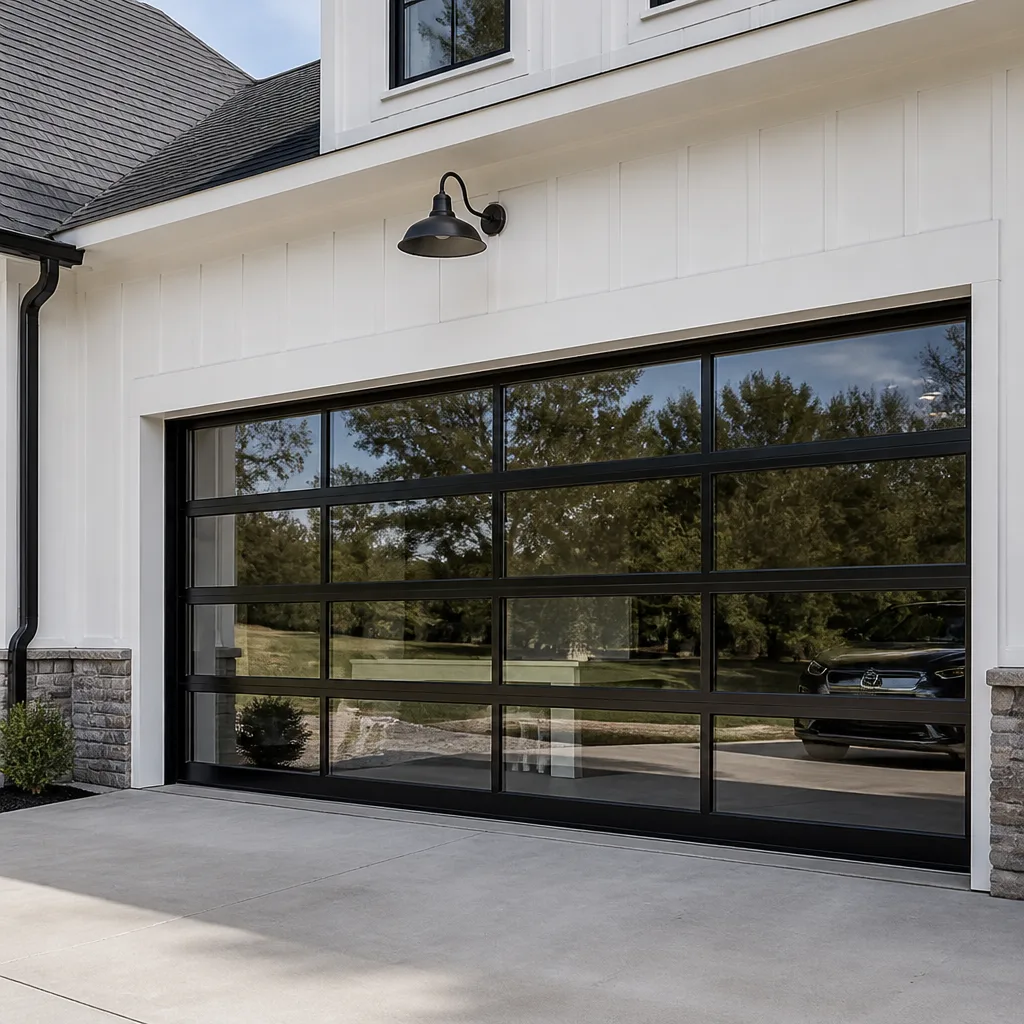 Full-view glass
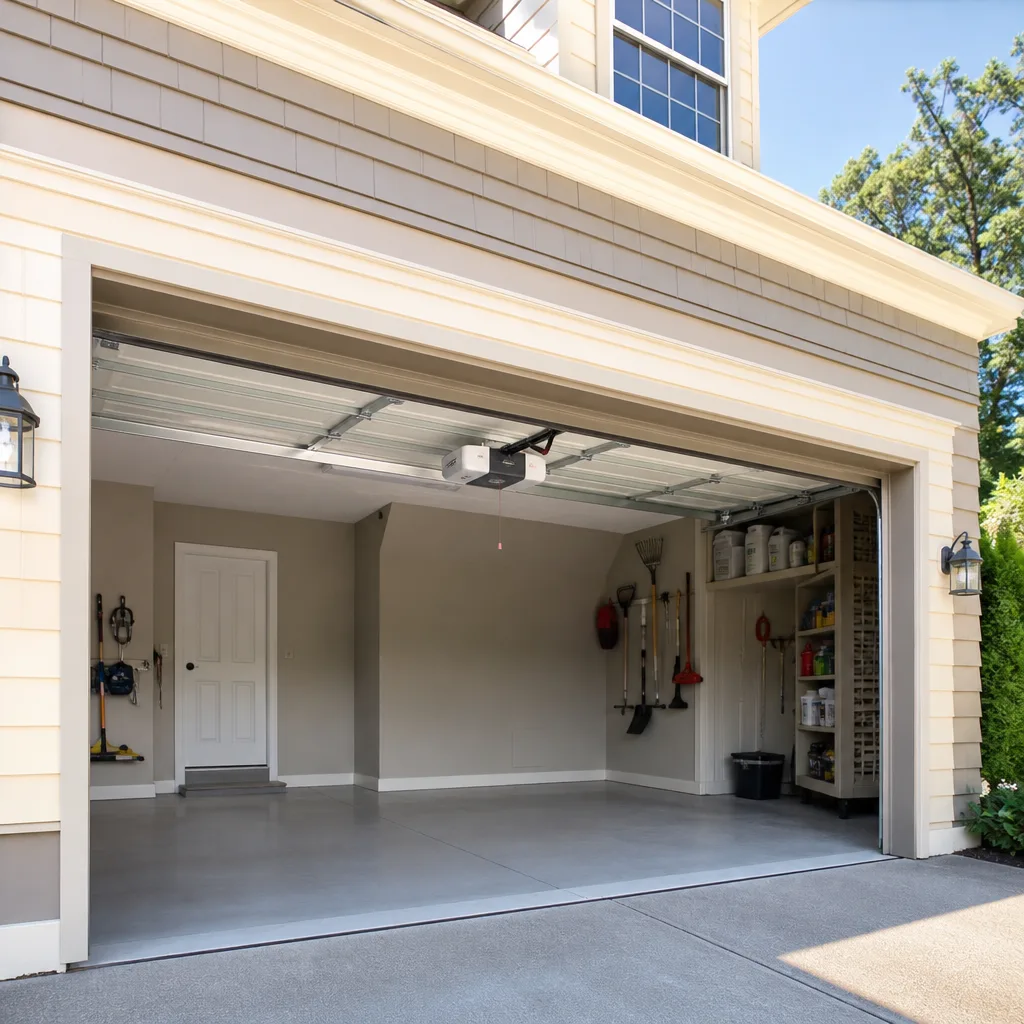 LiftMaster openers
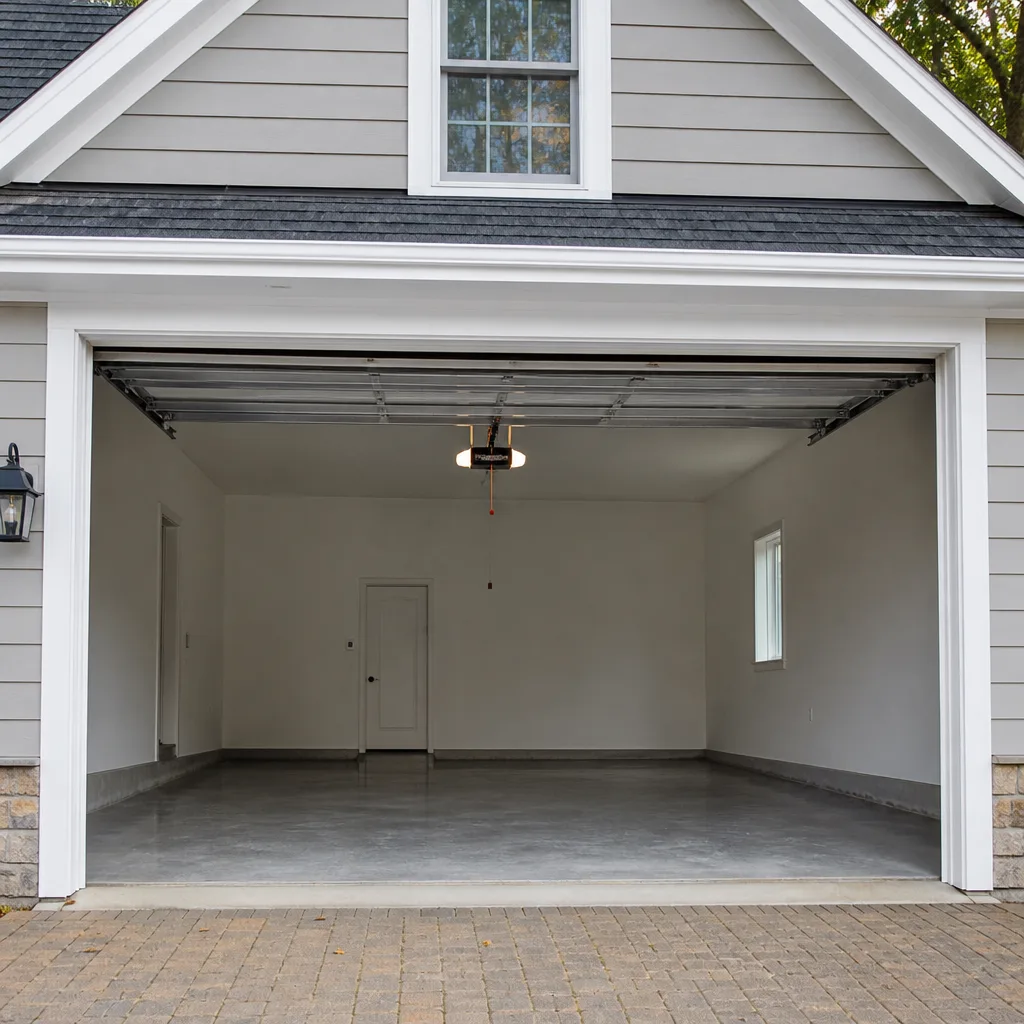 Chamberlain openers
Full 25-point door and opener safety check with every visit - springs, cables, rollers, tracks, and your LiftMaster or Chamberlain opener included
You get a price before we start. It does not change when the truck arrives.
Get your free estimateGarage Door Permits, Codes & Inspections in CA: What You Need to Know
A $400 garage door repair can become a $4,000 disclosure problem when you sell your home, if the work required a permit and nobody pulled one. California’s permit rules for garage doors are widely misunderstood. Most homeowners assume only full door replacements need paperwork, but certain repairs and opener installations trigger code review too. In Pacific Beach, where coastal salt air accelerates wear on tracks, springs, and sensors, we see this confusion every single week. This guide explains exactly which projects need permits, which are exempt, how UL 325 safety codes apply, what San Diego inspectors look for, and what to do if unpermitted work is already done. For more on spotting trouble early, see our Garage Door Warning Signs: A Pacific Beach Homeowner’s Reference Guide.
Styles & brands we work with
- Raised-panel steel
- Carriage house
- Modern flush
- Full-view glass
- LiftMaster openers
- Chamberlain openers
Quick Answer
In California, a permit is generally required when a garage door opening is being created, enlarged, or structurally altered, and when a new door is installed in a new opening. Replacing an existing garage door in the same opening typically does not require a permit, but installing a new garage door opener does trigger code review for UL 325 safety compliance. Repairs like spring replacement, cable fixes, and panel swaps are exempt. Local jurisdictions, including San Diego, may add requirements, so always confirm with your building department before starting.
Table of Contents
- Which Garage Door Projects Need a Permit in California
- Which Garage Door Projects Are Exempt
- UL 325 and IRC Code Requirements for Opener Safety
- What San Diego City and County Specifically Require
- The Consequences of Unpermitted Garage Door Work
- How to Retroactively Permit Unpermitted Work
- Common Mistakes to Avoid
- When to Call a Professional
- Frequently Asked Questions
- The Bottom Line
Which Garage Door Projects Need a Permit in California
California building codes draw the line based on structural impact, not on the dollar value of the work. The California Residential Code (CRC), which adopts and amends the International Residential Code (IRC), requires a building permit when a project changes the structural frame of a building. For garage doors, that means three specific scenarios almost always require a permit:
- Creating a new garage door opening in an existing wall. Cutting into load-bearing framing changes the building’s structural integrity. The header, jack studs, and sill all require engineering review.
- Enlarging an existing opening from a single door to a double door, or widening for a taller door. The existing header may no longer support the new span.
- Converting a carport or enclosed room into a garage with a rolling door. This changes the use and occupancy classification of the structure.
Some jurisdictions also require permits when a door is replaced with one that is significantly heavier than the original. A standard steel door swapped for a solid wood door, for example, adds enough weight to stress the header and spring system. San Diego’s Development Services Department has flagged this as a judgment call for inspectors. In Pacific Beach, where many older beach cottages have nonstandard garage conversions, we tell homeowners to check before assuming a like-for-like swap is fine.
Which Garage Door Projects Are Exempt
Most of what homeowners actually need falls into the exempt category. The California Building Standards Commission and local building departments generally treat the following as maintenance or like-for-like replacement, requiring no permit:
- Replacing an existing garage door with a new door in the same opening, where the opening dimensions and structural framing do not change.
- Replacing or repairing door panels, including dented or damaged sections.
- Replacing torsion or extension springs, cables, rollers, hinges, and tracks.
- Replacing weatherstripping and bottom seals.
- Repainting or refinishing the door surface.
- Replacing the opener motor unit, provided the existing electrical circuit is unaltered and the new opener meets current UL 325 standards.
The exemption for opener replacement surprises many Pacific Beach homeowners. The electrical work is already in place, which is the part that normally triggers an electrical permit. The opener itself is an appliance. That said, if you are running a new dedicated circuit for a side-mount opener, that electrical portion does require an electrical permit. The distinction matters.
UL 325 and IRC Code Requirements for Opener Safety
UL 325 is the safety standard that governs automatic garage door openers in the United States. Since 1993, every residential opener manufactured or sold in California must comply with UL 325, which mandates specific entrapment protection features. This is the single most important code requirement for opener work, and it is the one most often violated by DIY installations and unlicensed handymen.
The core UL 325 requirements for residential garage door openers are:
- Inherent adjustable clutch or pressure sensor that stops and reverses the door when it encounters an obstruction of more than a specified force threshold on the way down.
- External photoelectric sensors positioned no higher than 6 inches above the garage floor on both sides of the opening. These create an invisible beam; if anything breaks the beam while the door is closing, the door must stop and reverse immediately.
- Manual release mechanism that allows the door to be disengaged from the opener and operated by hand during a power outage. The release cord must be accessible without tools.
- Warning and instruction labels affixed in a permanent, visible location on the door and opener.
The IRC sections R309 and R311 address garage door specifics beyond entrapment protection. IRC R309.1 requires that door openings from a garage into a dwelling be solid wood, solid core steel, or equivalent, at least 1-3/8 inches thick. This is a fire separation requirement, not a door-operation requirement, but it is frequently checked during garage-related inspections. If you replace the pedestrian door leading from the garage into the house at the same time as your garage door, that pedestrian door must meet the fire rating.
In our experience in Pacific Beach, older homes built in the 1940s through 1960s often have garage-to-house doors that pre-date the fire-rating requirement. An inspector will flag these even on a routine garage door permit inspection. That is a code conversation worth having before work starts.
What San Diego City and County Specifically Require
San Diego operates its own building department through the Development Services Department (DSD), separate from the county’s Building and Safety division. If you live in Pacific Beach, you fall under the City of San Diego’s jurisdiction. The city follows the California Building Standards Code with local amendments.
For garage door projects in Pacific Beach, here is what San Diego specifically requires:
- Plan check for structural changes. Any project that alters the garage door opening, header, or adjacent framing requires a plan submittal. The city reviews structural calculations for the new header and connection details.
- Inspection of the finished opening. Before a new door is installed in a new or enlarged opening, the rough framing inspection must pass. The inspector verifies the header size, king and jack stud count, anchor bolts, and hold-down requirements for seismic loads, which are more stringent in Southern California than in most of the country.
- Final inspection including UL 325 verification. After the door and opener are installed, a final inspection tests the auto-reverse function using a 2×4 block laid flat under the closing door. The door must reverse within 2 seconds of contact. The photoelectric sensors are also tested for interruption response.
- Electrical permit for new circuits. If a new opener requires a new circuit or relocated outlet, that portion requires a separate electrical permit and inspection.
San Diego County unincorporated areas follow similar rules through the County of San Diego Planning & Development Services. Requirements are not meaningfully different, but the forms and fee schedules are. County fees for residential garage door permits with plan check typically start lower than city fees, but the inspection process is comparable. Pacific Beach, as a city neighborhood, always goes through the city.
Coastal conditions add a wrinkle here. San Diego’s coastal zone, which includes Pacific Beach, requires that garage door materials be corrosion-resistant. Steel doors must have a factory-applied rust-inhibiting primer or galvanized coating. Inspectors in beach neighborhoods are more likely to note visible rust on non-compliant hardware than inspectors inland would. Brands like Clopay and Amarr manufacture coastal-rated models specifically for this environment.
The Consequences of Unpermitted Garage Door Work
Unpermitted work does not stay invisible forever. California’s seller disclosure requirements force the issue. Under Civil Code Section 1102, sellers must disclose known unpermitted work to buyers. Failing to disclose opens the seller to litigation for misrepresentation, and buyers who discover unpermitted work after close can sue for the cost of retroactive permitting, repairs to bring the work to code, and in some cases, rescission of the sale.
The practical consequences break down like this:
- Real estate disclosure problems. A buyer’s home inspection will flag garage door and opener issues. If the inspector notes a door that appears newer than the home records indicate, the buyer’s lender may require permit verification before funding.
- Insurance claim denials. If a garage door fails and causes property damage or injury, an insurer may deny the claim if they find the door or opener was installed without a required permit and inspection. The insurer’s position is that unpermitted work is not a covered loss.
- Liability exposure. If an unpermitted opener fails to reverse and injures someone, the homeowner faces personal liability that a properly permitted installation would have largely insulated against through the inspection record.
- Financing complications. Refinancing or home equity applications can stall when an appraiser notes unpermitted garage work. Lenders in San Diego routinely check permit history against visual evidence of renovations.
- Code enforcement. Neighbor complaints are rare for garage doors, but if a code enforcement officer visits for another issue and spots work that required a permit, they can issue a notice of violation with daily fines until resolved.
We have walked Pacific Beach homeowners through the retroactive permitting process after buyers’ inspectors flagged garage door work. The fix almost always costs more than pulling the permit upfront would have.
How to Retroactively Permit Unpermitted Work
Here is what most guides do not tell you: retroactive permitting is a real process, it is navigable, and it happens in San Diego more often than anyone likes to admit. The city does not punish you for coming forward. They want the work inspected and brought to code. Here is the step-by-step:
- Gather documentation. Find any receipts, photos, or contractor information from the original work. Date-stamped photos help establish when the work was done, which matters for determining which code version applies.
- Contact the City of San Diego DSD. Schedule a pre-submittal meeting or call the permit center. Explain the situation honestly. You will be directed to file for a permit under the “work without permit” category.
- File the permit application. The city will assign an inspector to evaluate the existing work. If the work is visible and accessible, no destructive testing is usually needed. If walls were closed over structural changes, you may need to expose framing for inspection.
- Complete any required corrections. The inspector will issue a correction list. Common corrections for garage door work include missing photoelectric sensors, non-compliant header sizes, unrated hardware on coastal properties, and non-fire-rated pedestrian doors.
- Pass inspection and close the permit. Once corrections are verified, the permit is closed and the work becomes officially permitted. You will receive a final inspection card and the permit enters the property’s permanent record with the DSD.
Fees are typically double the standard permit fee for retroactive filings, reflecting the “work without permit” penalty. For a garage door opener or door replacement, that is often a few hundred dollars. For structural changes like a widened opening, the cost can climb past a thousand dollars once plan review and correction work are factored in.
In Pacific Beach, with its older housing stock and high resale activity, retroactive garage door permits are common enough that DSD inspectors handle them without friction. The longer the unpermitted work has existed, the less the city is concerned about the timing and the more they focus on current code compliance.
Common Mistakes to Avoid
- Assuming all garage door work is exempt. Like-for-like replacement is exempt, but changing the opening size, adding a door where none existed, or installing an opener on a new circuit is not. The error is assuming the whole category is permit-free.
- Replacing an opener without checking UL 325 compliance. Older openers without photoelectric sensors are still in service in many Pacific Beach homes. Swapping in a new opener without adding the required sensors puts you in the same code violation you just replaced.
- Ignoring the pedestrian door fire rating. The door between your garage and house is part of the garage fire separation. Replacing it with a hollow-core interior door during a garage remodel will fail inspection.
- Not accounting for coastal corrosion requirements. San Diego’s coastal zone requires corrosion-resistant door hardware. An inland bargain door on a Pacific Beach house can rust through its hardware in two seasons and draw an inspector’s flag at resale.
- Waiting until the buyer’s inspection to discover the problem. By that point, you are negotiating from weakness. The buyer’s ask will include the full cost of retroactive permitting plus a discount for the hassle.
- Trying to hide unpermitted work from a seller’s disclosure. This is not a paperwork oversight. It is a legal liability that follows the sale in California for years after close.
When to Call a Professional
Any project that changes the garage door opening size, creates a new opening, or modifies framing requires a licensed contractor and a building permit. That is not DIY territory. Opener replacement is technically doable for a capable homeowner, but UL 325 safety verification, like the reversal force test and sensor alignment, is the kind of thing that catches do-it-yourselfers off guard during an inspector’s visit. Spring replacement on torsion systems is dangerous, and we recommend leaving that to trained technicians regardless of permit status. If you are in Pacific Beach and unsure whether your project needs a permit, Bison Garage Door Repair offers free estimates and can tell you straight whether the work you are planning is exempt or requires a filing. Call (866) 282-5711 and we will walk you through it. We work on Clopay, Amarr, Wayne Dalton, and Craftsman doors regularly, so we know what passes inspection in San Diego.
Frequently Asked Questions
No, replacing an existing garage door in the same opening with a door of comparable weight does not require a permit in most California jurisdictions, including San Diego. The exemption applies when the structural opening does not change. If you are changing the opening size or installing a door in a new location, a permit is required. Call (866) 282-5711 for guidance on your specific situation in Pacific Beach.
San Diego garage door permit fees vary by project type. A simple structural permit for a new door opening typically starts around $200 to $400 in filing and inspection fees. Retractive permits for unpermitted work are generally double the standard fee. Plan check fees are additional for structural changes. For a home in Pacific Beach, you can get an exact fee quote from the City of San Diego DSD permit center.
Yes, replacing an existing garage door opener without modifying the electrical circuit does not require a permit in California. The opener itself is an appliance, and the electrical connection already exists. However, the new opener must comply with UL 325 safety requirements, including photoelectric sensors and auto-reverse. If you are running a new electrical circuit for the opener, that circuit work requires a separate electrical permit.
You must disclose the unpermitted work to buyers under California law. If you do not, the buyer can sue for misrepresentation. Even with disclosure, the buyer’s lender may require the work be permitted and inspected before closing. In Pacific Beach, where home sales move quickly, unpermitted garage work is one of the most common closing delays we hear about. The retroactive permit process can be completed before listing, which eliminates the problem entirely.
Yes. When a garage door permit is issued, the final inspection includes testing the auto-reverse function and photoelectric sensors. The inspector places a 2×4 on the ground and closes the door onto it; the door must reverse within 2 seconds. Sensor interruption is also tested. These UL 325 checks are the same at the city and county level, and they apply throughout Pacific Beach and the rest of San Diego.
For simple structural permits without plan check, issuance can happen the same day or within one to two business days at the City of San Diego DSD. Projects requiring plan check, like enlarged openings, typically take two to four weeks for review. The retroactive permitting process adds an inspection cycle on top of that. Start early, especially if you are working against a real estate closing timeline in Pacific Beach.
The Bottom Line
California garage door permitting is simpler than people fear and more consequential than people assume. Replacing a door in the same opening is exempt. New openings, enlarged openings, and structural changes require permits. Opener replacement is exempt unless new electrical work is involved, but UL 325 safety compliance is mandatory regardless. Unpermitted work that should have been permitted will surface at resale, refinance, or an insurance claim, and retroactive permitting is more expensive than doing it right the first time. When in doubt, call your building department, or call the team at Bison Garage Door Repair home at (866) 282-5711. We have been serving Pacific Beach since 2016, and we will tell you straight whether your project needs paperwork before any work begins. For more on our services, see Garage Door Repair in Pacific Beach, Garage Door Opener Repair in Pacific Beach, and Garage Door Installation in Pacific Beach.
Written by the team at Bison Garage Door Repair, serving Pacific Beach since 2016. Explore more guides & resources on our blog.
See the difference
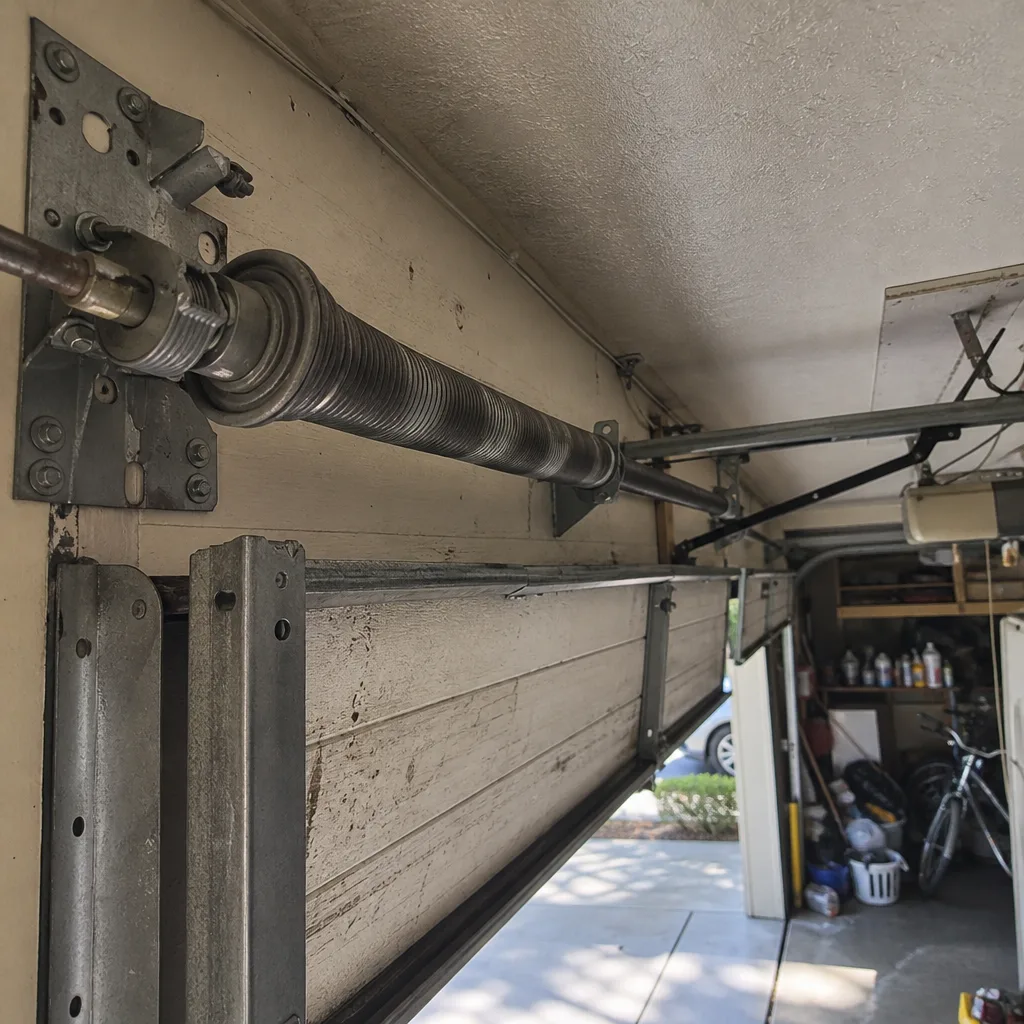 Before
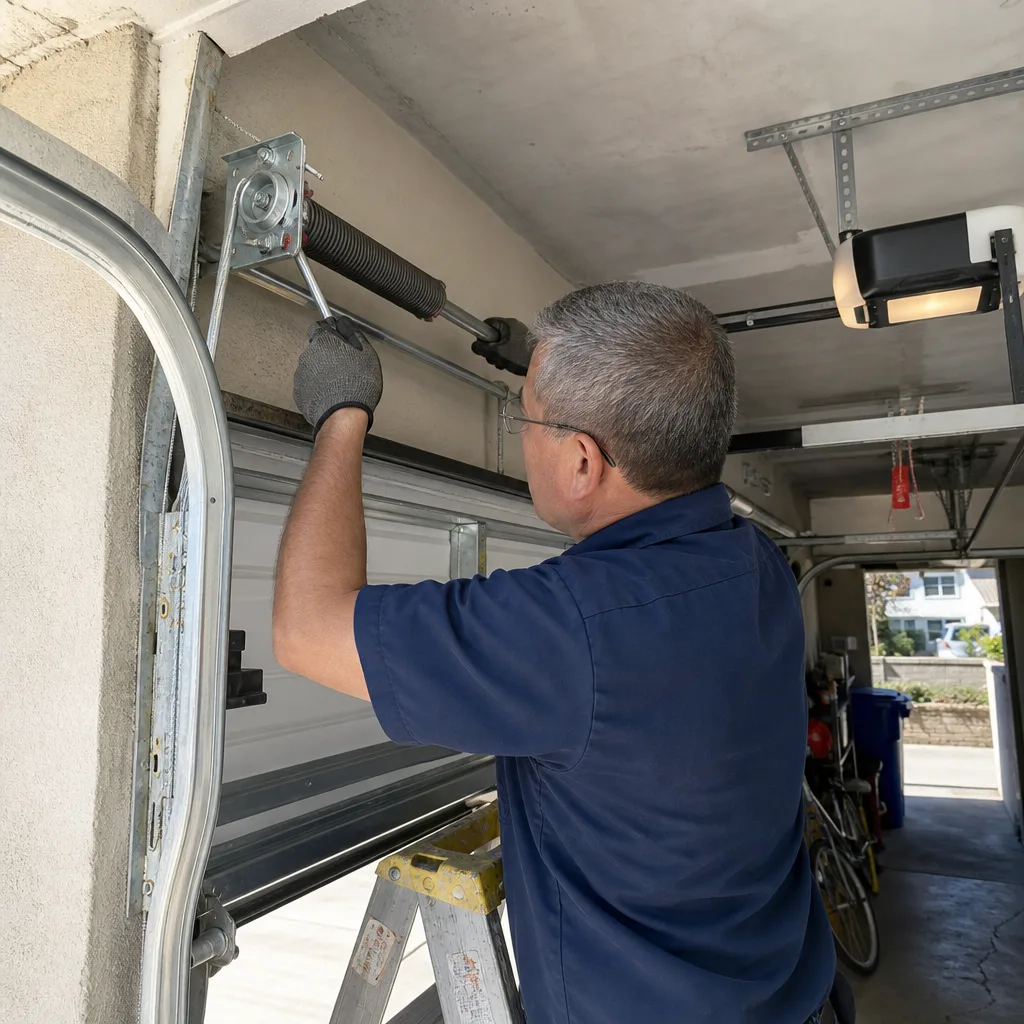 After
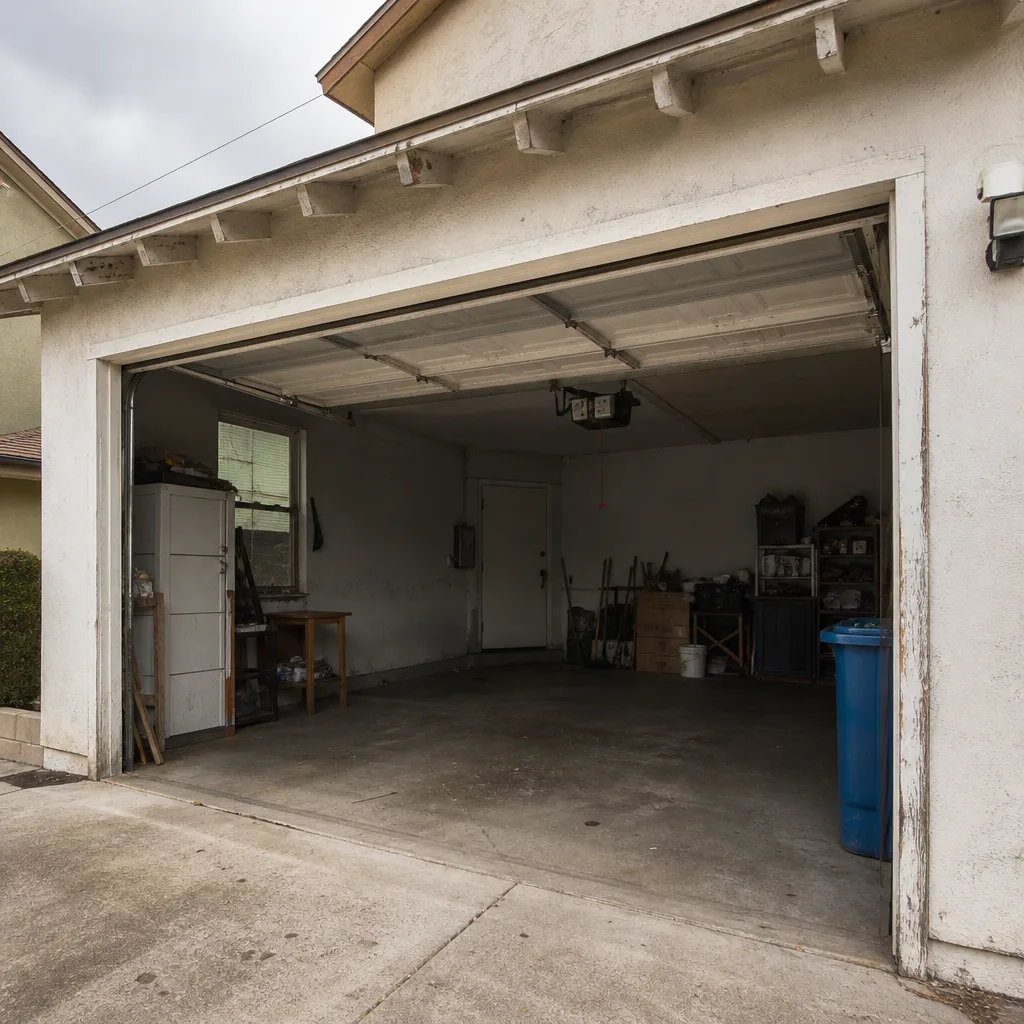 Before
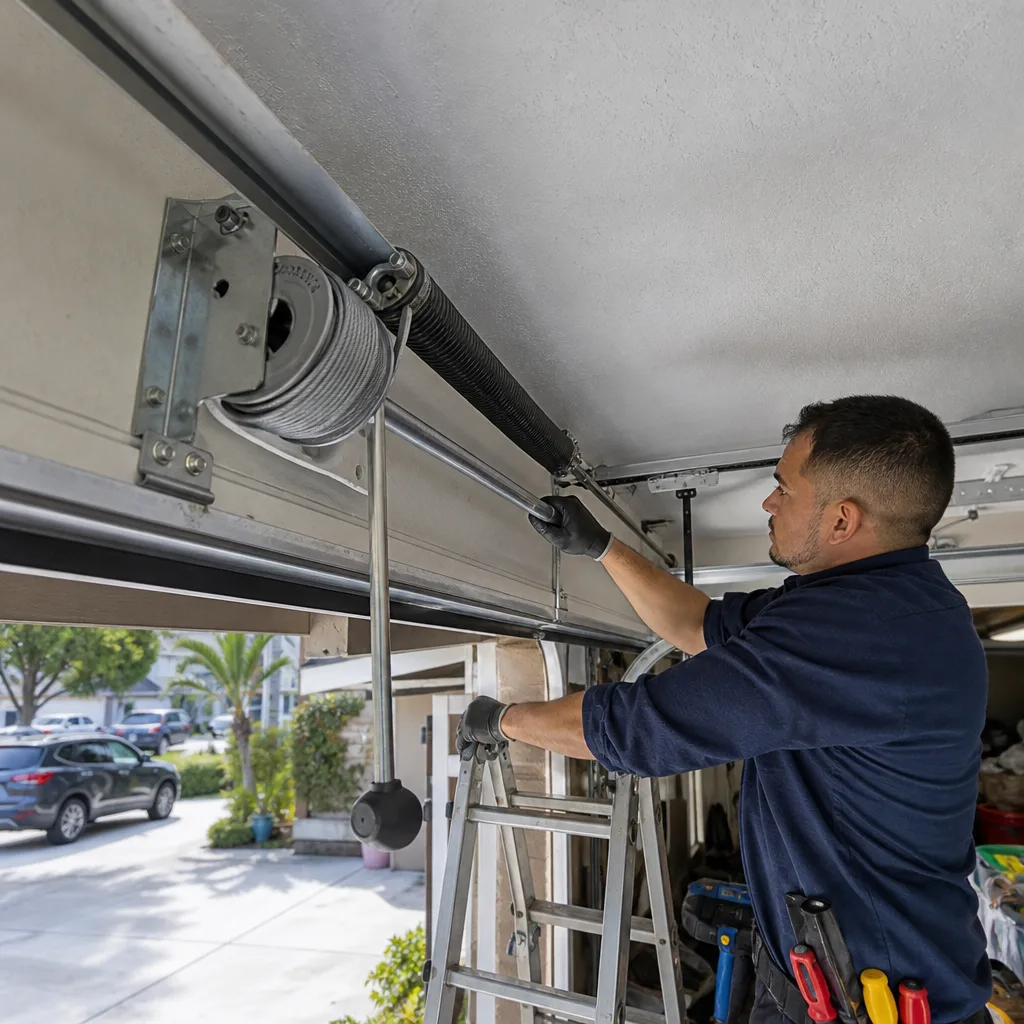 After
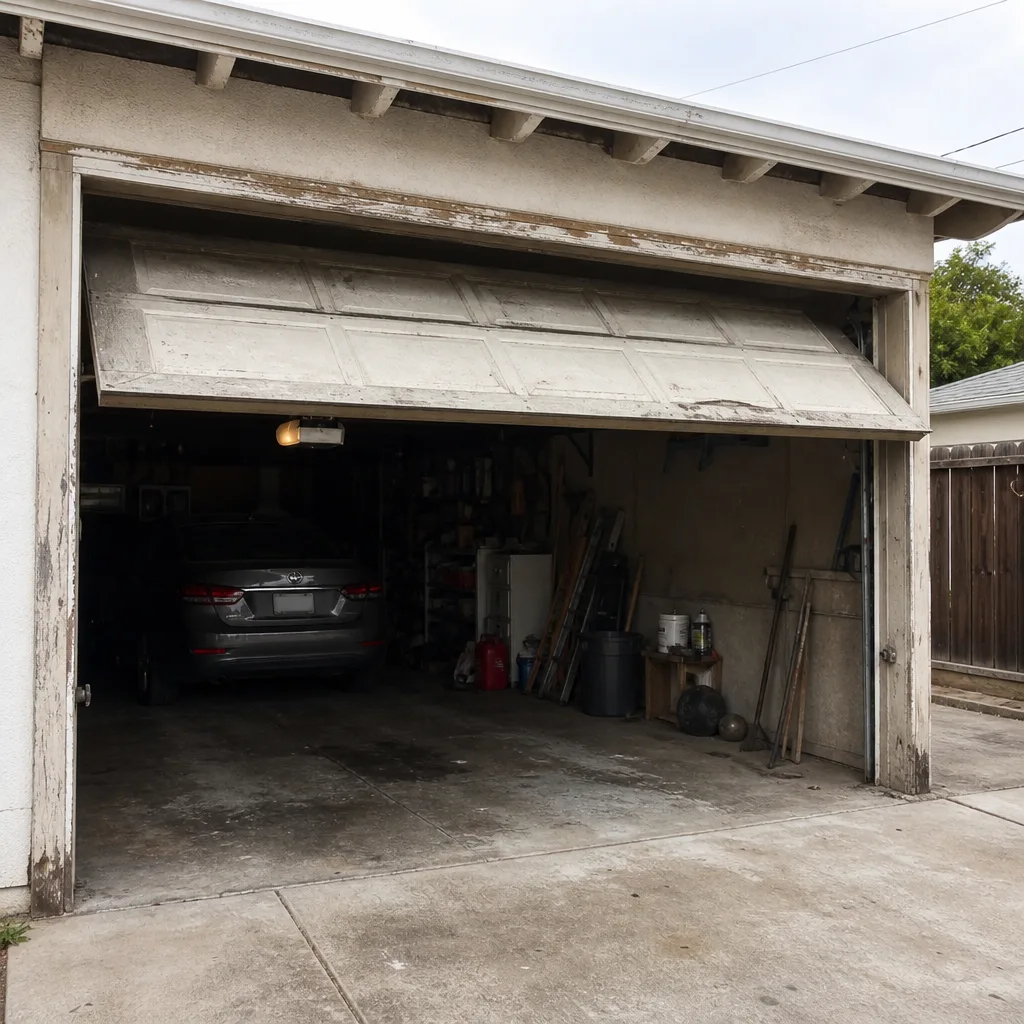 Before
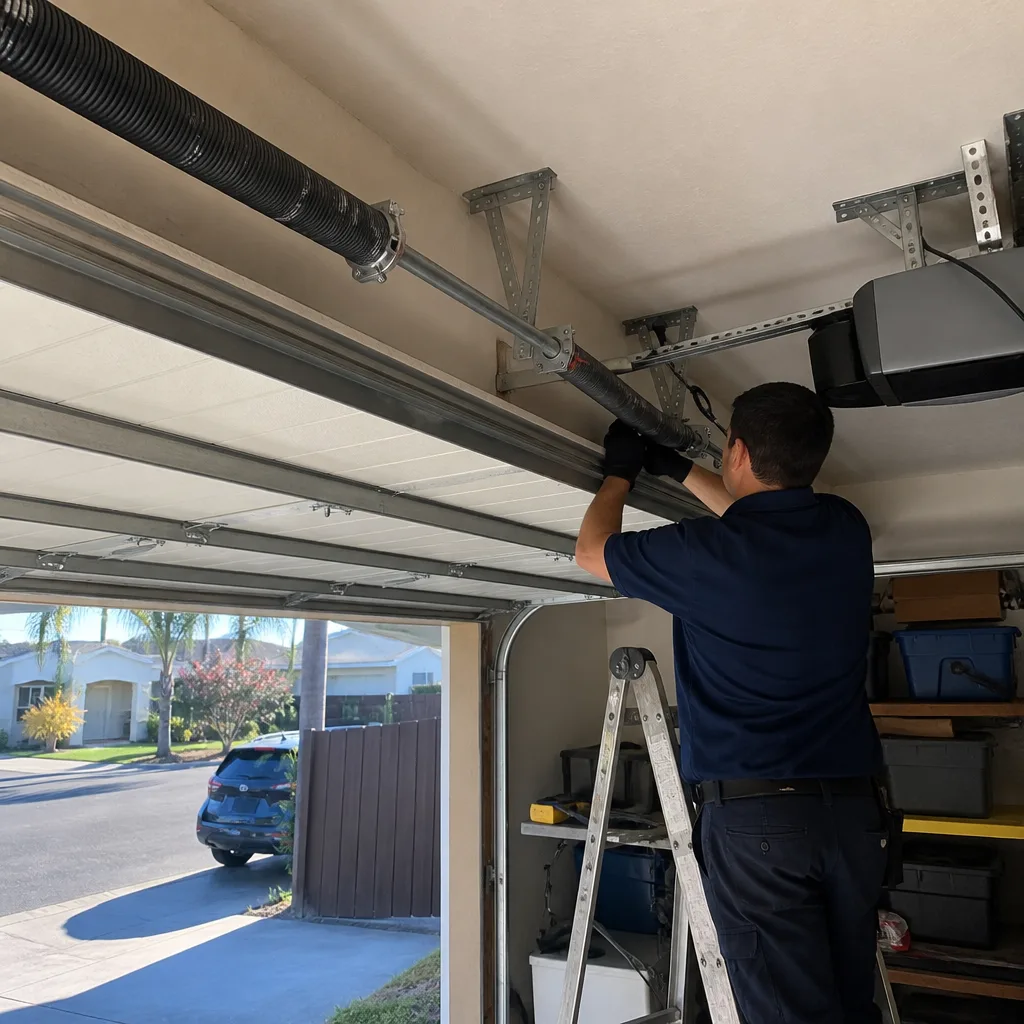 After