
Last updated November 2, 2026
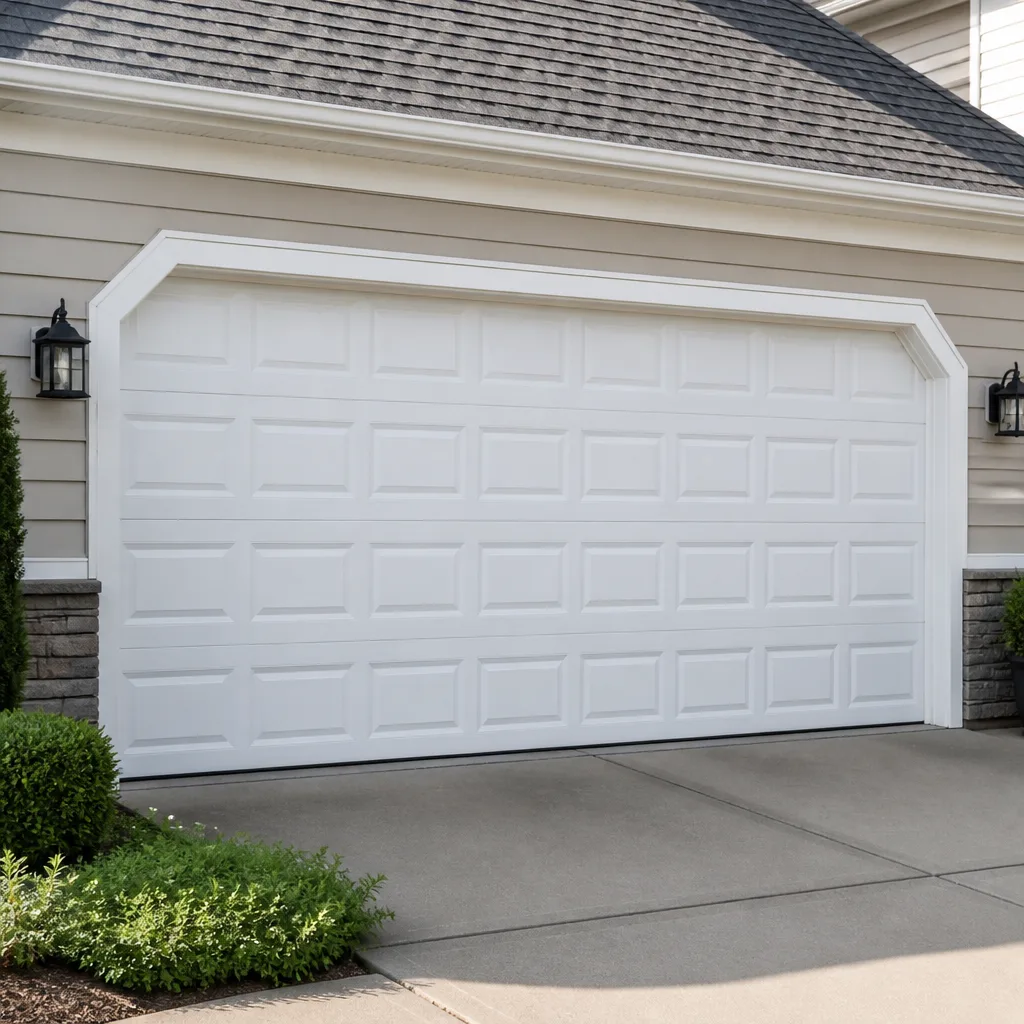 Raised-panel steel
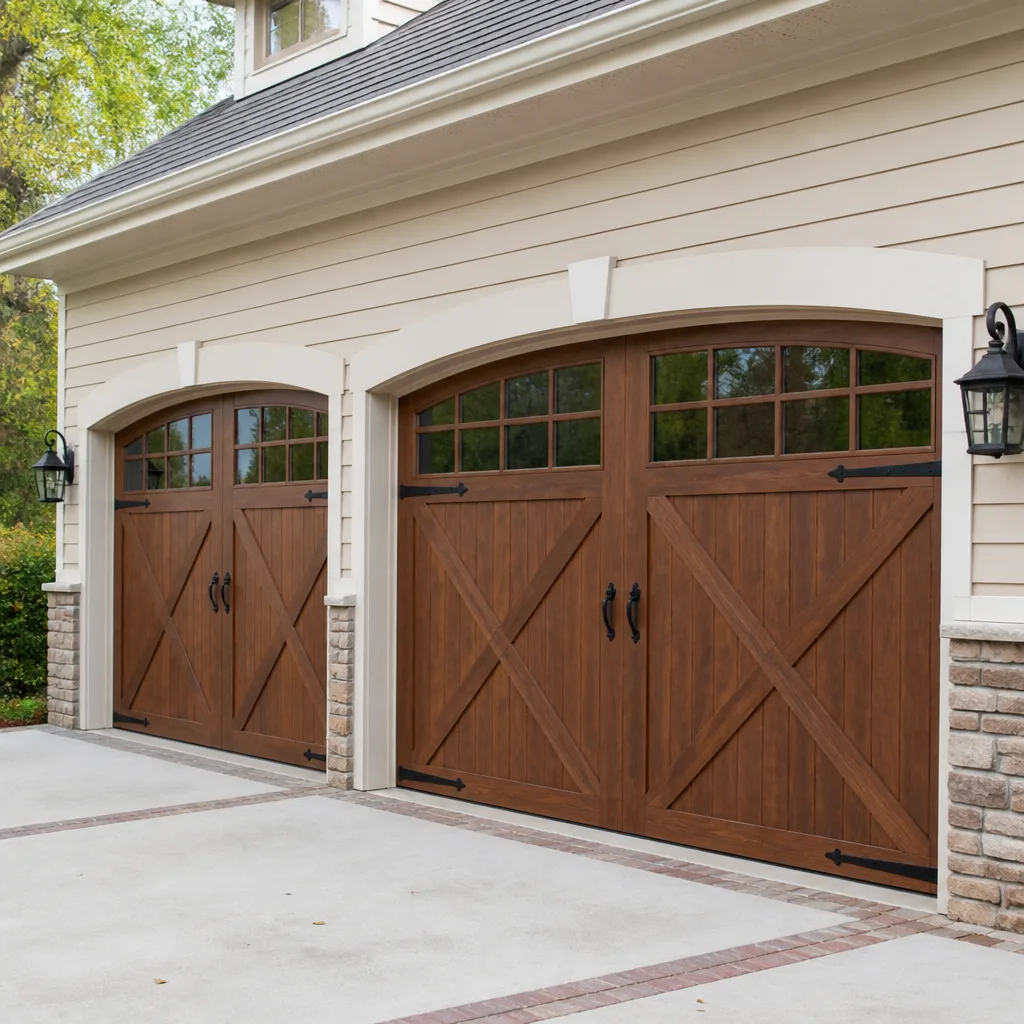 Carriage house
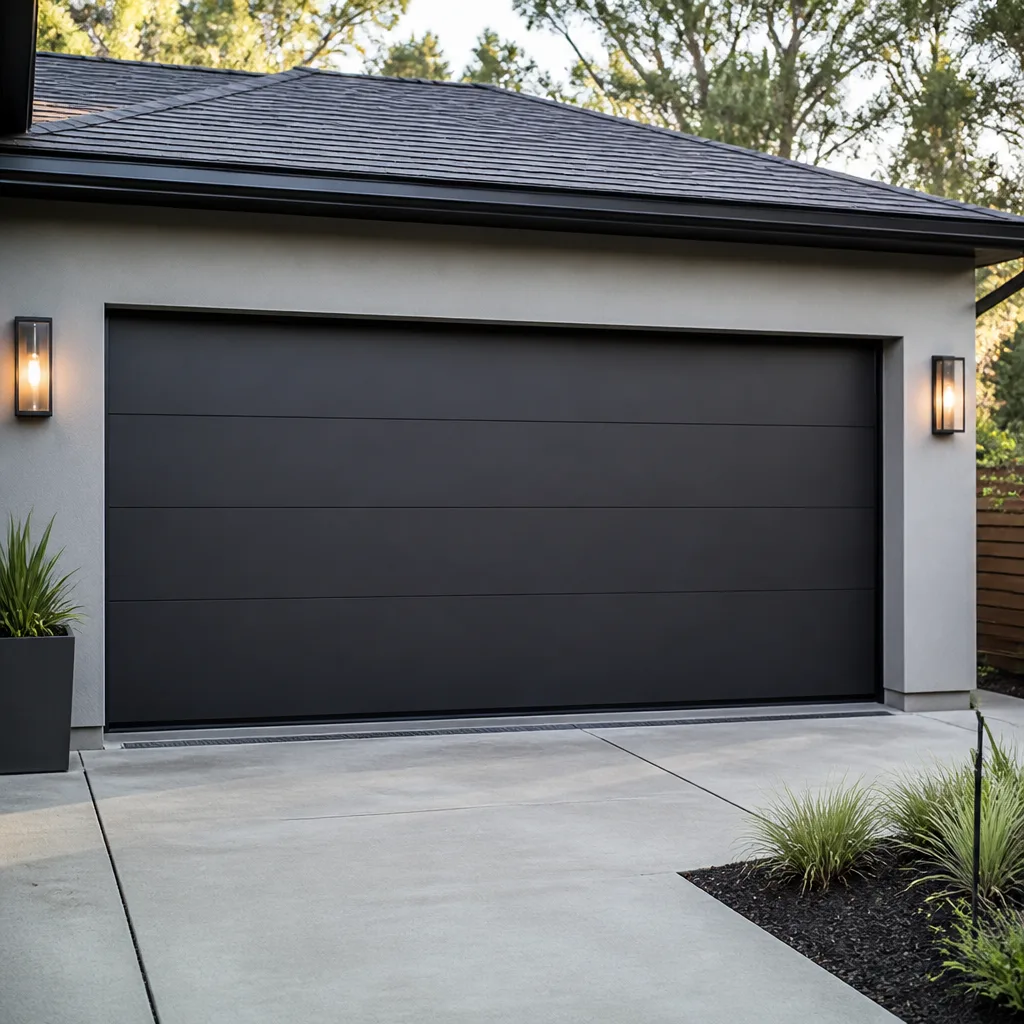 Modern flush
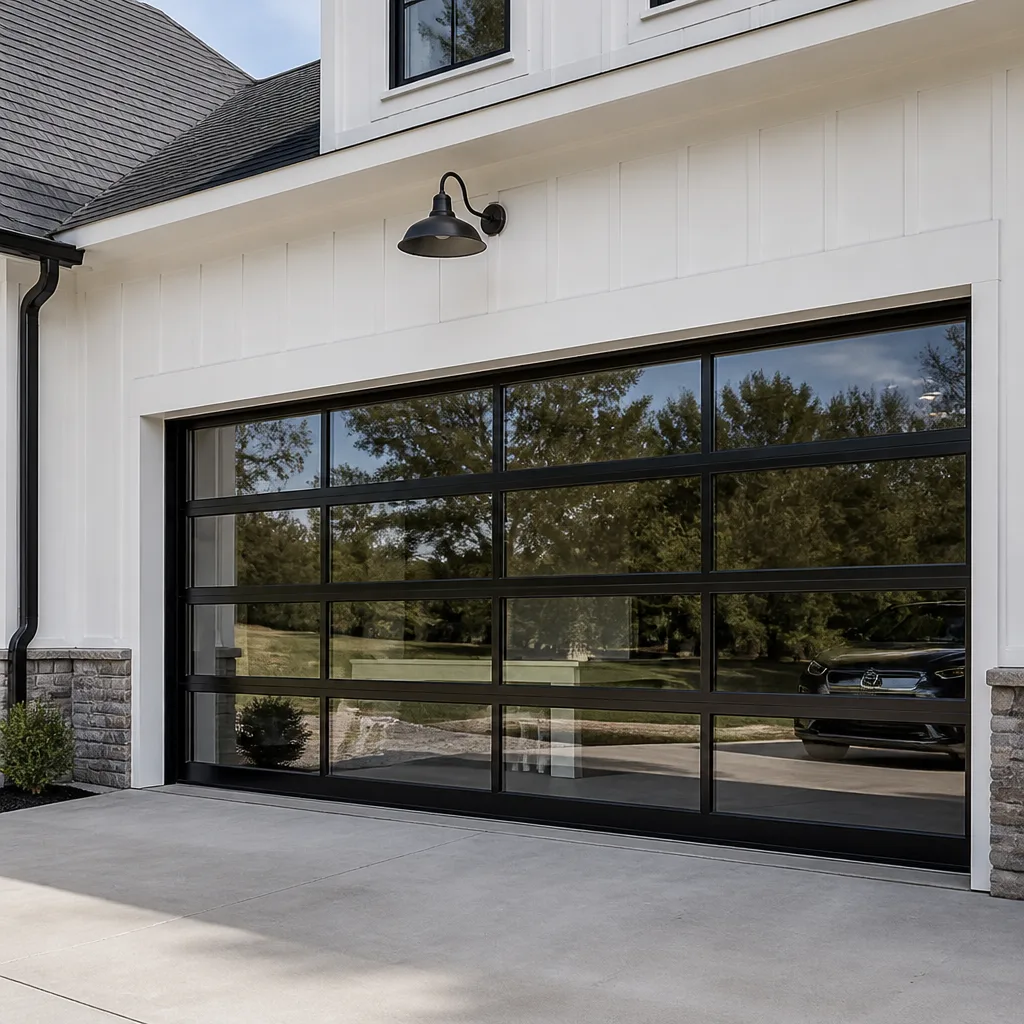 Full-view glass
 LiftMaster openers
 Chamberlain openers
Full 25-point door and opener safety check with every visit - springs, cables, rollers, tracks, and your LiftMaster or Chamberlain opener included
You get a price before we start. It does not change when the truck arrives.
Get your free estimateGarage Door Warning Signs: A Pacific Beach Homeowner’s Reference Guide
A garage door that hesitates for half a second before opening is not “warming up.” It’s broadcasting early cable tension loss, and in a salt-air environment like Pacific Beach, that failure curve shortens fast. Most garage door breakdowns don’t happen without warning. They send signals weeks or months ahead: a new sound, a slight sag, a patch of rust in exactly the wrong place. This guide covers every signal worth knowing, what’s actually happening mechanically, and when a Pacific Beach homeowner should stop watching and start calling. For How to Hire a Garage Door Contractor in Pacific Beach: A Step-by-Step Guide, see our companion resource. By the end, you’ll read your door the way a technician does.
Quick Answer
The most common garage door warning signs in Pacific Beach are hesitation or jerking during operation, grinding or squealing from the opener, visible rust on springs and cables, a door that sits slightly off-level, and an opener that reverses without cause. All of these indicate wear or damage that will get worse, and coastal salt air accelerates each one. If caught early, most repairs are straightforward; ignored, they become failures that lock your door shut or send a spring through your garage.
Styles & brands we work with
- Raised-panel steel
- Carriage house
- Modern flush
- Full-view glass
- LiftMaster openers
- Chamberlain openers
Table of Contents
- Sounds That Mean Nothing vs. Sounds That Mean Trouble
- Coastal Corrosion: What Salt Air Does to Your Door
- The Off-Level Door: Why a Slight Tilt Is Never Cosmetic
- Opener Behavior Changes and What They Point To
- A 5-Minute Visual Inspection You Can Do This Weekend
- Pacific Beach-Specific Warning Signs Other Guides Miss
- Brand-Specific Quirks: LiftMaster, Chamberlain, Genie, and More
- Seasonal Patterns in Pacific Beach Garage Door Failures
Sounds That Mean Nothing vs. Sounds That Mean Trouble
All garage doors make some noise. The question is which sounds are normal and which are your door asking for help. After working on thousands of doors across Pacific Beach, we can tell you the difference matters more than most homeowners realize.
Normal operating sounds include a low rumble from the opener motor, a soft metallic rattle as panels move over the track, and a light thump when the door settles into the closed position. These are steady, predictable, and consistent from day to day. If your door has always made a certain sound and that sound hasn’t changed, it’s probably fine.
The sounds that should get your attention are changes. A garage door doesn’t develop a new noise for no reason. Here’s what specific new sounds typically indicate:
- Squealing or high-pitched whine from the opener: Usually a worn drive gear inside the opener. Common on older LiftMaster and Chamberlain chain-drive units after 8-10 years. The gear teeth shear down over time, and the sound gets worse gradually.
- Grinding during movement: Metal-on-metal contact. Often a roller with a seized bearing dragging through the track instead of rolling. This damages the track and the door panel edge simultaneously.
- Sharp pop or bang followed by the door not moving: A torsion spring has snapped. This is the loudest sound your garage door will ever make, and it’s unmistakable. At this point, do not attempt to open the door manually or with the opener. High-tension springs carry enormous stored force, and working near a broken spring without proper training and tools is genuinely dangerous. Call a professional.
- Rattling that gets louder near the top of travel: Loose hardware at the track brackets or worn rollers. Coastal corrosion loosens mounting bolts faster than inland homes experience.
- Thumping or knocking as the door rises: Often a panel hinge that’s seized or a roller that’s flat-spotted. The door is fighting itself on the way up.
In Pacific Beach specifically, we hear more opener drive-gear failures than inland neighborhoods because the salt air works into the unit’s housing over time and accelerates wear on internal plastic and nylon components. A garage door opener that’s been running fine for seven years and suddenly sounds like a coffee grinder is usually telling you the gear is done. For garage door opener repair in Pacific Beach, earlier diagnosis means a simpler fix.
Coastal Corrosion: What Salt Air Does to Your Door
Pacific Beach sits less than a mile from the ocean in most places, and marine air carries tiny salt particles everywhere. On clear days with onshore wind, that salt lands on your garage door hardware and starts working. It doesn’t need you to be on the beach. It comes to you.
The mechanics are simple: salt attracts and holds moisture, moisture enables oxidation, and oxidation weakens metal. On a garage door, the critical components are springs, cables, rollers, hinges, and the bottom brackets holding the lift cables. Each of these is under constant tension or load. Corrosion on a decorative surface is a cosmetic issue. Corrosion on a load-bearing part is a structural countdown.
What to look for:
- Rust bloom on torsion springs: Springs are bare steel. Surface rust starts as a fine orange dusting, then becomes pitted. A heavily corroded spring is more likely to snap, and when it snaps, it releases its stored force instantly.
- White salt deposits on bottom brackets: These brackets anchor the lift cables that raise and lower the door. White crystalline buildup means the bracket is actively corroding. If a bottom bracket fails, the cable comes off and the door can drop unevenly or jam hard.
- Brown streaking at cable contact points: Lift cables run over pulleys and through cable drums at the top of the door. Brown streaks mean rust is forming where the cable bends under load, which is exactly where cables fail. A frayed cable can snap, and that puts the entire door weight on one side.
- Flaking or pitting on track rails: The track isn’t under the same load as springs, but corrosion here causes the rollers to drag and bind. That puts extra strain on the opener motor and shortens its life.
You can slow this down. Wiping springs and cables with a dry cloth monthly, keeping the garage door area free of standing moisture, and rinsing the lower track area with fresh water every few months all help. But once corrosion has penetrated, cleaning won’t restore the part’s strength. It needs replacement.
If you’re looking at heavy rust on your springs or cables right now, that’s a garage door repair in Pacific Beach situation, not a weekend project. Springs and cables under tension are not DIY territory. A trained specialist can assess the damage safely and tell you whether you need a part replaced or the full system refreshed.
The Off-Level Door: Why a Slight Tilt Is Never Cosmetic
Stand outside your garage and look at the gap between the bottom of the door and the ground. If one side sits even half an inch higher than the other, something is wrong. This is one of the most commonly ignored warning signs because a slight tilt doesn’t stop the door from working, at least not right away.
But a garage door is a balanced system. The torsion spring assembly distributes force evenly across the width of the door. Both sides carry equal load. When the door sits off-level, it means that balance is gone. What’s actually happening is one of several things:
- One spring is weaker than the other: On two-spring systems, one spring loses tension or begins to fail before the other. The stronger side pulls harder, and the whole door tilts as it moves.
- A cable has stretched or slipped: Lift cables stretch over time, especially in coastal air where corrosion accelerates wear at the crimps and connections. A stretched cable on one side means that side doesn’t lift as far.
- A roller or bracket is worn on one side: Uneven wear creates drag on one side only, which the opener compensates for by pulling harder, which accelerates wear everywhere else.
- The door itself is damaged: A bent panel or broken section connector distorts the door’s geometry. This is common after a vehicle bump or a child’s errant basketball, but it also happens gradually with age and corrosion around the panel seams.
Whatever the root cause, an off-level door is a compounding problem. Every cycle the door completes while unbalanced puts additional stress on the springs, cables, rollers, and opener. A door that’s slightly off-level today will be more off-level next month, and at some point it will bind in the track and refuse to move at all.
If you notice the tilt while standing in your driveway in Pacific Beach’s flat coastal neighborhoods, don’t wait. Call before the door jams in the open position at 6 a.m. on a Tuesday.
Opener Behavior Changes and What They Point To
Your opener is the motor, and your opener is also a diagnostic tool if you pay attention. Changes in how it behaves map directly to specific problems in the system. Here’s a breakdown of the most common behavior changes we see in Pacific Beach homes and what each one points to:
- Hesitation before moving after you press the button: A one to two second delay between pressing the wall button or remote and the motor engaging is often a sign of logic-board degradation in older openers. It can also indicate low voltage at the outlet. In coastal homes, internal corrosion on the circuit board is a frequent culprit. If the delay is consistent and the motor sounds weak when it finally starts, the opener is aging out.
- Door starts moving, then reverses without reaching the floor or the full open position: This is usually a force-sensing issue. The opener thinks it’s hit an obstruction because the door is dragging somewhere. Common causes: a corroded roller binding in the track, a bent track section, or a door that’s off-level and catching on the supports. Less commonly, the force settings need adjustment, but if it started happening without anyone changing settings, it’s mechanical drag.
- Door reverses after hitting the floor and goes back up: This is a limit-setting issue or a photo-eye problem. The opener thinks the floor is an obstruction. In Pacific Beach, salt film on the photo-eye lenses near the floor is a common cause. A quick wipe with a dry cloth often resolves it. If it persists, the limit switch inside the unit may be worn.
- Opener runs but door doesn’t move: The drive mechanism has failed. On chain-drive units, the chain may have snapped or derailed. On belt drives, the belt can strip. On any unit, the drive gear inside the opener housing may have sheared. This is a hard failure, not a warning sign, which is why it’s worth recognizing the earlier sounds that lead to it.
- Opener shuts off mid-cycle and needs a reset: Thermal overload. The motor is working harder than it should, usually because the door is unbalanced or dragging. The overload protection is doing its job, but the underlying cause is the door, not the opener.
The important pattern here is that most opener behavior changes are the opener responding correctly to a door problem. Replacing the opener without fixing the door guarantees the new opener starts doing the same thing within months. That’s why we approach opener repair in Pacific Beach by checking the full system, not just the motor unit. A healthy opener on a sick door is still a sick door.
A 5-Minute Visual Inspection You Can Do This Weekend
You don’t need any tools for this. You need five minutes, some daylight, and the willingness to look at things most people never notice. Here’s a step-by-step inspection that catches the majority of warning signs before they become breakdowns:
- Close the door fully and stand inside the garage, looking up at the springs. If you have a torsion spring system (the spring mounted on a metal rod above the closed door), check for rust, gaps in the coil spacing, or a visible break. A healthy spring has consistent coil spacing along its entire length. An uneven gap or a visible split means it’s already failing.
- Trace each lift cable from the bottom bracket up to the cable drum. Look for frayed strands, which look like a few wires poking out from the main cable bundle, and for brown or white discoloration along the cable’s length. Cables are the most visually communicative part of the system. If one looks damaged, it needs attention before it snaps.
- Close the door and look at it from outside, standing about fifteen feet back. Check the gap under the door on both sides. Check the vertical alignment against the door jamb. Any difference between the left and right side is the off-level signal we covered earlier.
- Open the door and watch the rollers in the track as it moves. Each roller should spin as the door passes. A roller that slides instead of spins has a seized bearing. You can usually hear it too, but watching tells you which one.
- Check the bottom panel edge and the bottom seal. Look for swollen edges, bubbling paint, or rust staining on the interior side of the bottom panel. This is where coastal moisture collects. Swollen panel edges mean water is getting into the panel itself, and that distortion throws off the door’s balance.
- Look at the opener rail and drive mechanism. On a chain drive, the chain should have slight slack but not droop. On a belt drive, look for cracking or glazing on the belt. A healthy system looks tight, linear, and clean. Crumbling debris under the opener unit is often the remains of an internal drive gear.
This inspection takes less time than it took to read this section, and it gives you a baseline. Repeat it monthly. When you see a change from your baseline, that’s the warning. That’s when you call before the door tells you by refusing to open.
Pacific Beach-Specific Warning Signs Other Guides Miss
Coastal living changes how garage doors age. The same door hardware that lasts twenty years in an inland climate can fail in half that time within the salt-air zone, which includes most Pacific Beach neighborhoods west of Interstate 5. Here are the warning signs specific to this environment that generic garage door guides don’t cover:
- Rust bloom on cable strands at the drum: The cable wraps around a cable drum at the top of the door, and the section of cable that spends the most time wrapped against the drum is the most vulnerable. Salt air accelerates rust in this exact spot. Look for orange dusting on the cable surface near the drum; if you see it, the cable is on borrowed time.
- White salt deposition on the bottom brackets: Bottom brackets sit at the door’s lowest point, where salt collects and moisture lingers. These brackets hold the tension of the entire lift cable. White crystalline buildup is aluminum and zinc corroding. A failed bottom bracket can tear off the cable, and the door will drop hard on one side.
- Swollen or bubbling bottom panel edges: Pacific Beach fog and marine layer bring moisture that sits on the garage floor and wicks up into the panel. Steel-core doors with the edge seal worn will absorb that moisture. The panel edge swells, and the door no longer closes flush. This is a structural sign, not just an appearance issue.
- Rapid roller bearing failure: Nylon rollers with unsealed bearings lose their internal lubricant faster in salt air. The rollers still look fine from the outside, but if you spin them by hand they feel rough. This creates drag that the opener has to overcome. Roller replacement is straightforward and inexpensive compared to the downstream damage it prevents.
- Opener logic-board corrosion: This one is invisible until the opener starts acting strangely. Random reversals, unresponsive buttons, or an opener that works one day and not the next can all trace back to internal corrosion on the circuit board. Openers mounted in garages that are left open for ocean breezes are especially vulnerable.
If you live closer to Mission Bay or the beach blocks, these signs should be part of your regular inspection. The ocean is a beautiful neighbor, but it’s a demanding one for metal hardware.
Brand-Specific Quirks: LiftMaster, Chamberlain, Genie, and More
Not all garage door systems fail in the same way. As a garage-door-only specialist, we work on the full range of residential equipment, and certain brands have quirks that Pacific Beach homeowners should recognize. Whether your setup is a LiftMaster or a Chamberlain, the warning signs are discoverable if you know what to look for.
On LiftMaster units, the most common failure point is the internal drive gear. Early warning sounds like a cyclical click or grind during operation, and it gets louder with each cycle. On Chamberlain openers, logic-board issues tend to show up as intermittent remote response before any physical failure. Doors with Craftsman openers (which share many internal components with Chamberlain) often signal a failing capacitor with a hum that lasts a second or two before the motor engages. And Raynor doors are generally robust, but their older hinge designs concentrate wear at the panel joints, so listen for creaking at the horizontal seams.
Recognizing these patterns is the difference between catching a worn part early and replacing a failed opener. If you’re not sure what brand you have, that’s fine. The inspection steps above work on any system, and a trained eye can identify what you have and what it’s telling you in a single service call.
Seasonal Patterns in Pacific Beach Garage Door Failures
Every market has its failure season. In Pacific Beach, the patterns follow the marine layer and the Santa Ana winds. Understanding them helps you know when to be extra attentive – see our Seasonal Garage Door Care for Pacific Beach: Year-Round Homeowner’s Guide for a complete maintenance calendar.
Late spring and early summer, the “May gray” and “June gloom” months, bring persistent moisture without rain. This is when salt corrosion accelerates on springs and cables. We see a spike in cable-related failures in June and July as corroded strands finally give way under daily use.
Fall brings Santa Ana conditions: dry, hot, and sometimes windy. The low humidity actually causes wood garage doors to shrink, but more importantly, the wind-driven salt and sand creates abrasive wear on track rollers and exposed hardware. If your door has been marginal all summer, the first strong Santa Ana will expose it.
Winter, such as it is in Pacific Beach, brings the heaviest rains. Water runoff finding its way under the door and into the tracks accelerates corrosion at the bottom brackets and panel edges. This is when swollen panels and rusted bottom brackets become visible.
The takeaway: check your garage door’s springs, cables, and brackets in May, check them again in October, and don’t ignore changes in between. The pattern has been consistent across every Pacific Beach home we’ve serviced.
Common Mistakes to Avoid
- Ignoring a new sound because “it still works”: A newer, louder sound is the system telling you something changed. Waiting until it stops working converts a simple repair into a larger one. The sound is the cheap version of the problem.
- Lubricating everything with WD-40: WD-40 is a solvent, not a lubricant for garage door components. It temporarily quiets a squeak while stripping away the real lubricant. Use a silicone-based or lithium-based product designed for garage doors, and keep it off the cable and spring surfaces.
- Pulling the emergency release while the door is up: If the door is partially open and the spring is already weakened, pulling the red release cord can send the door crashing down. This is a common cause of panel damage and injury. Only pull the release when the door is fully closed or fully supported.
- Re-tightening loose bolts without checking why they loosened: Bolts that back out repeatedly or mount brackets that shift indicate an alignment or balance problem. Tightening them is temporary. The force that loosened them is still there.
- Painting over rust on hardware: Paint hides rust and makes it harder to monitor. It doesn’t restore strength. A spring with rust bloom under fresh paint is still a weakened spring. Replace first, paint later.
- Comparing your door to your neighbor’s: In Pacific Beach, two identical-looking garage doors on the same street can have wildly different service histories depending on exposure, frequency of use, and prior maintenance. What is normal for a neighbor’s door tells you nothing about yours. Your door has its own baseline.
See the difference
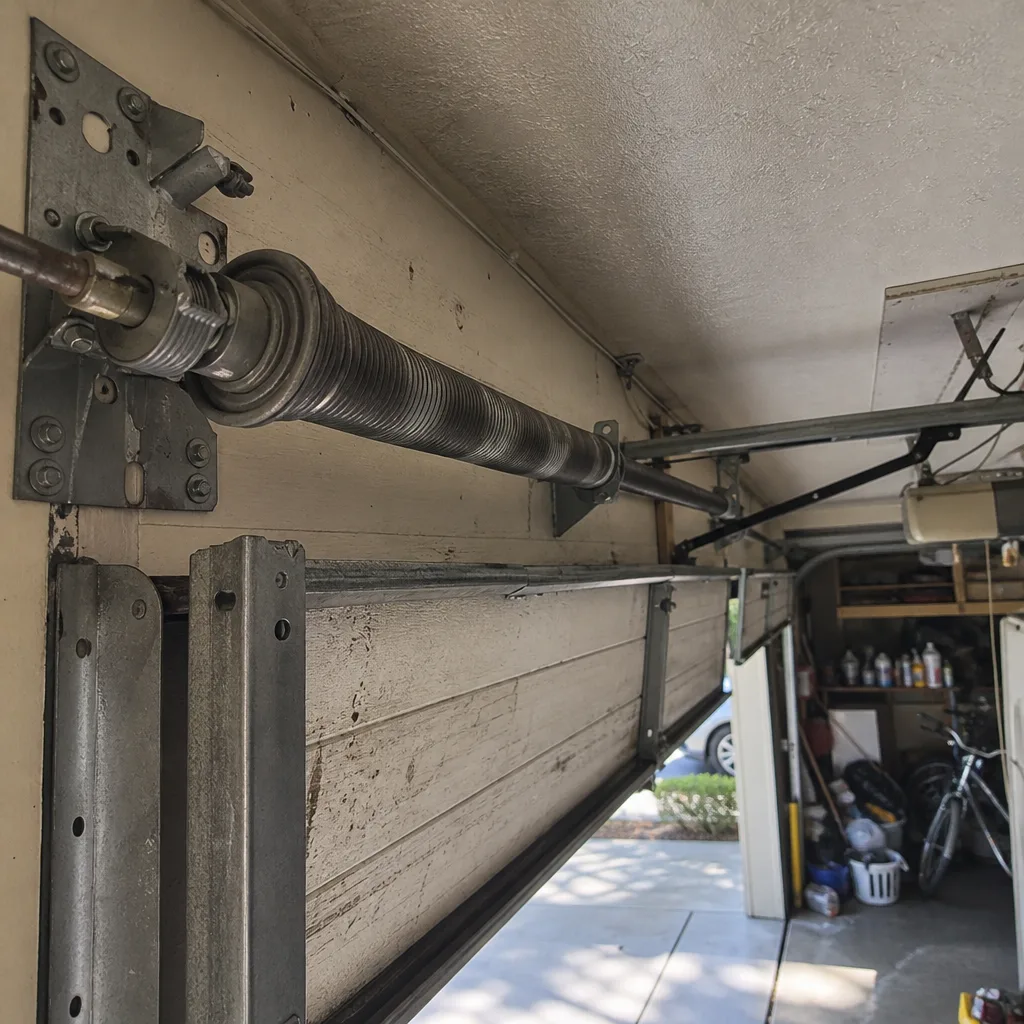 Before
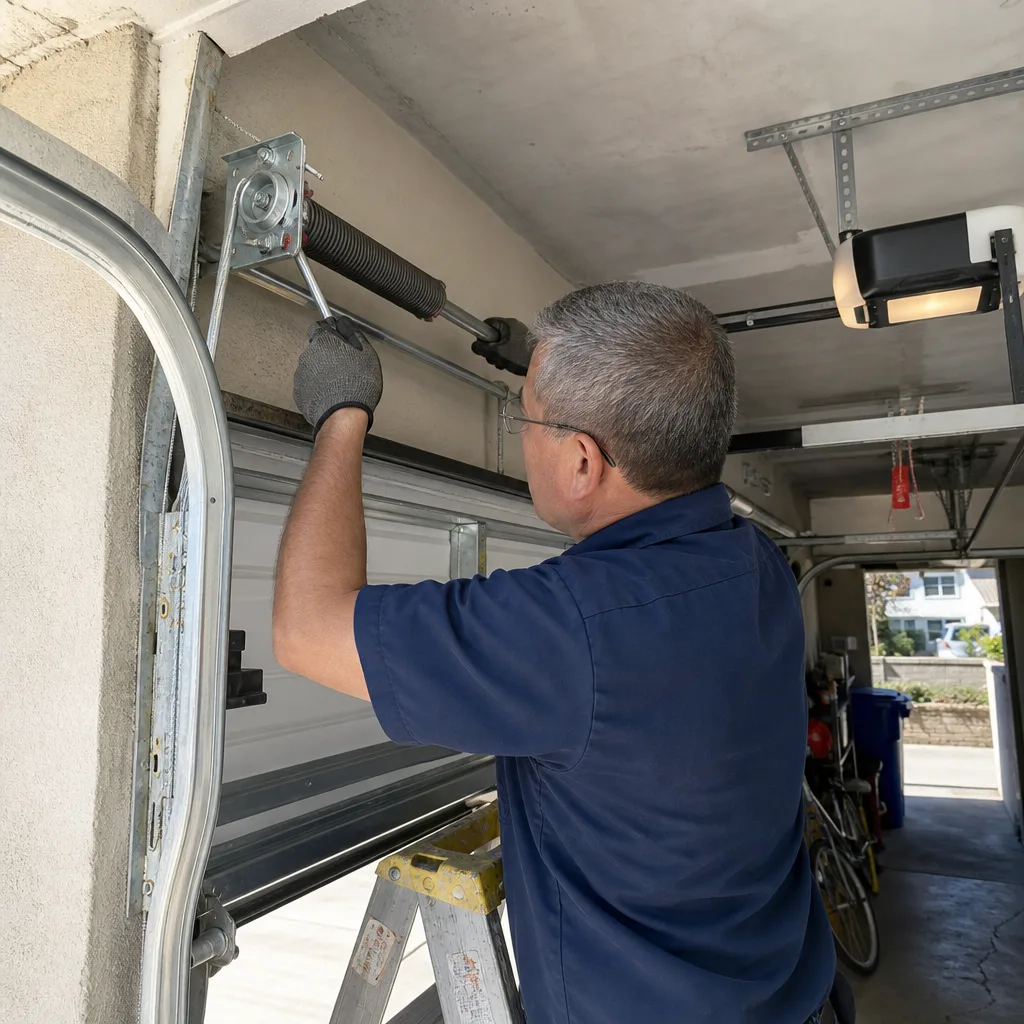 After
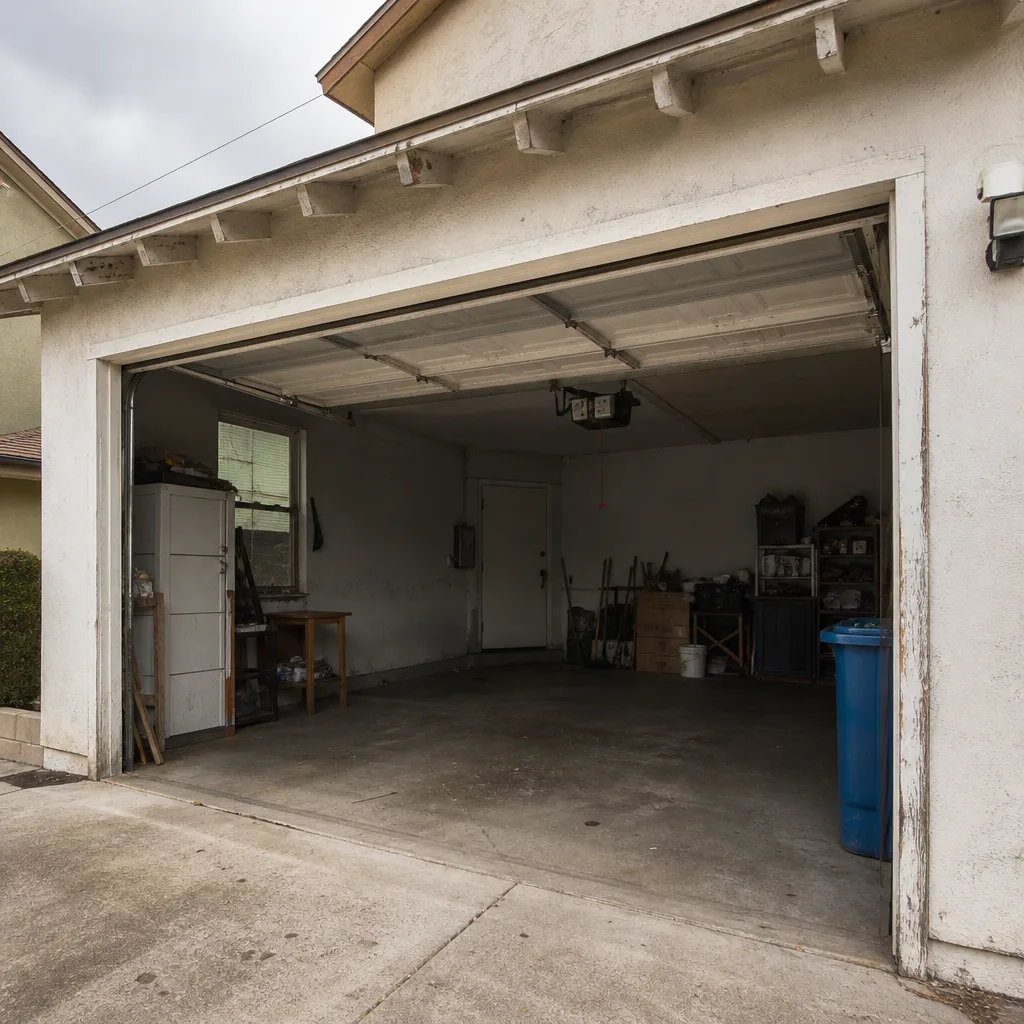 Before
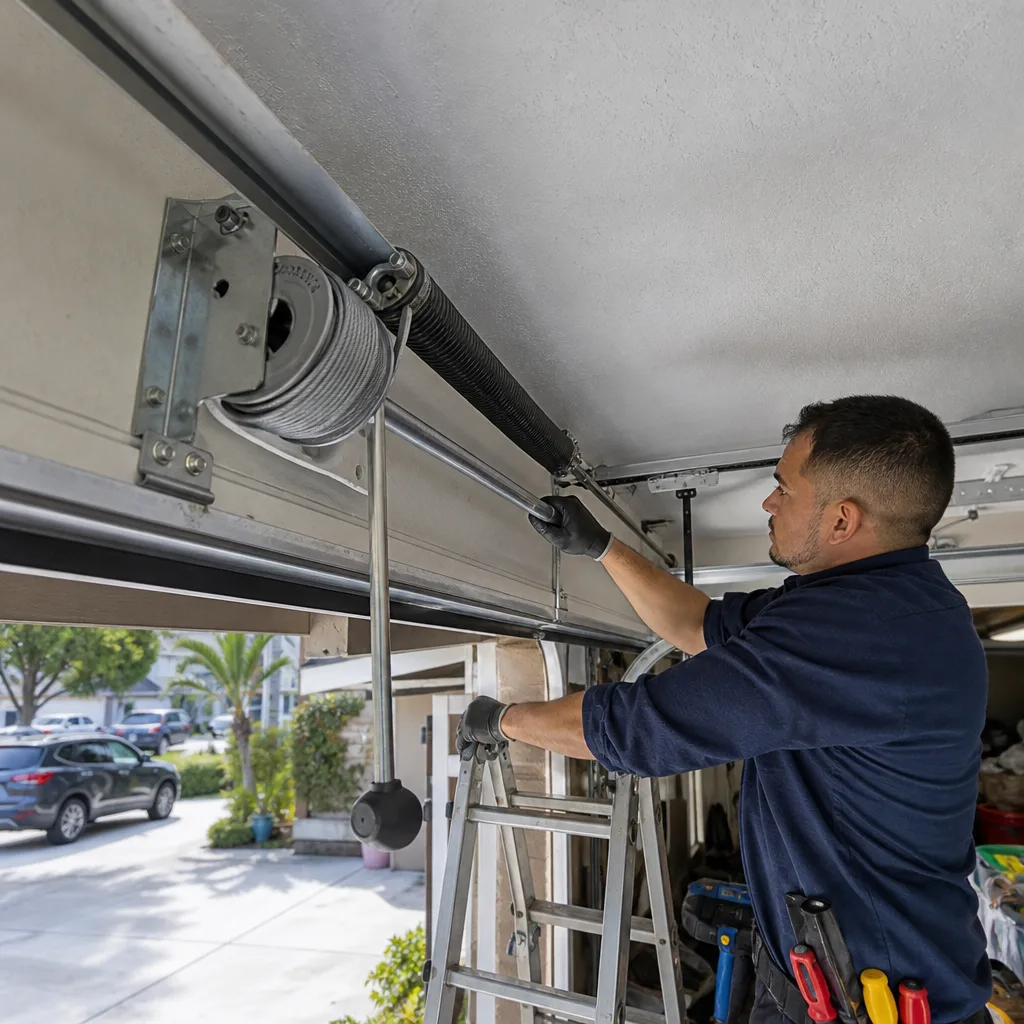 After
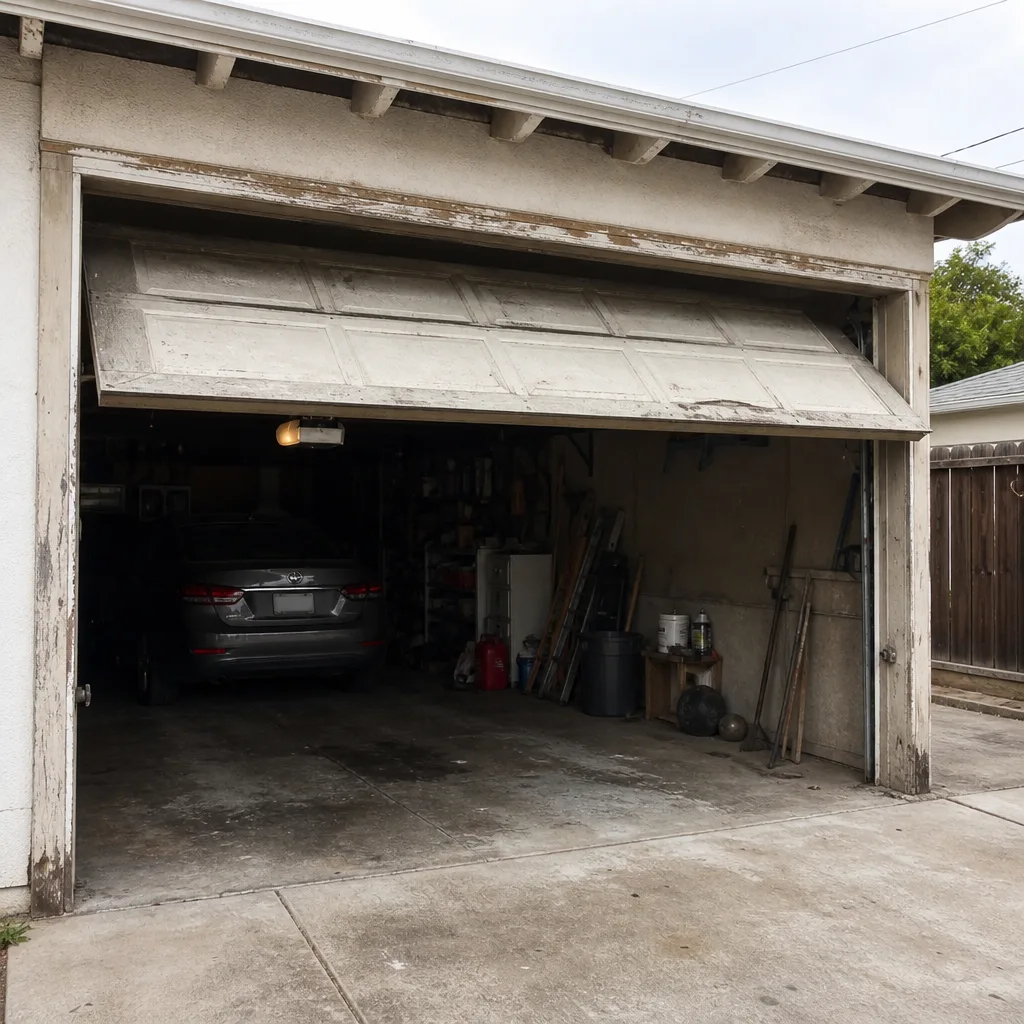 Before
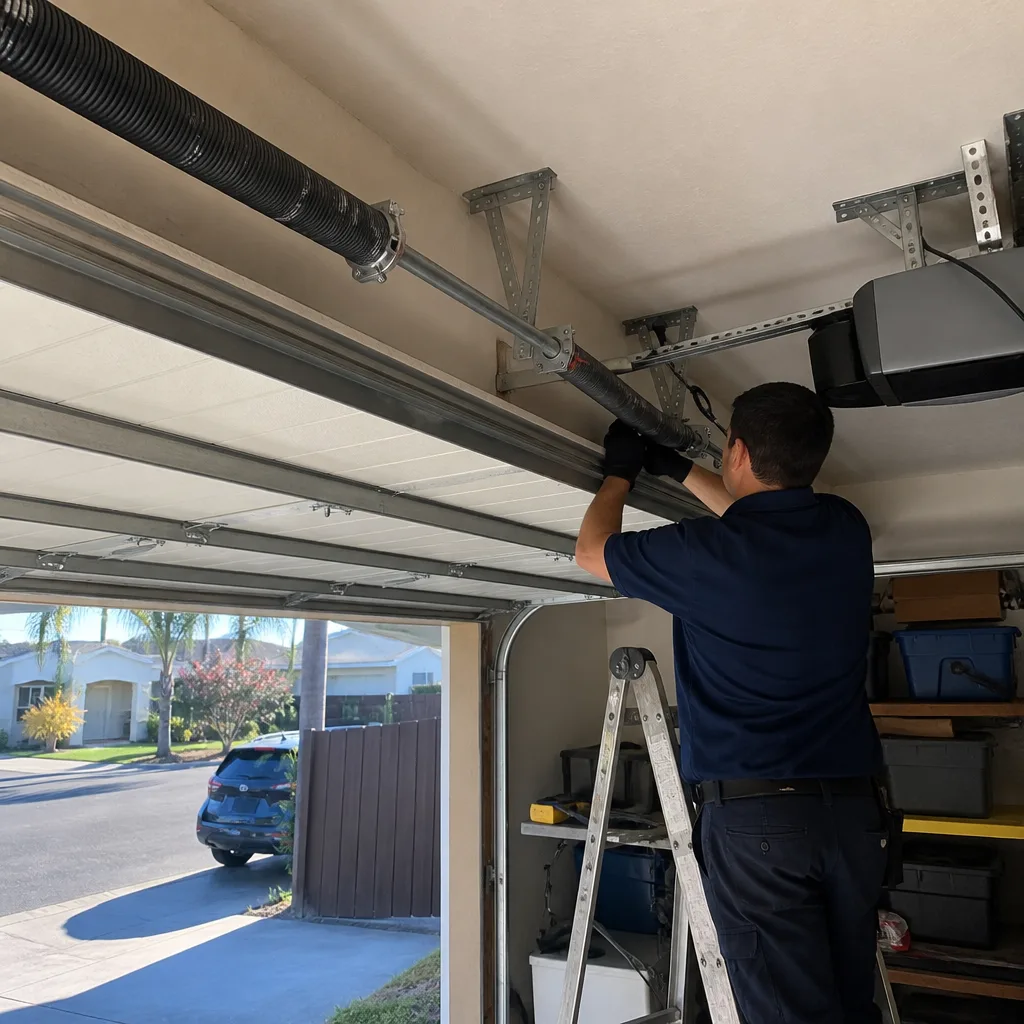 After
When to Call a Professional
Some warning signs can be monitored or managed with basic maintenance. Others require a trained specialist with the right equipment, and waiting on these is a mistake you’ll feel in your wallet and possibly in your safety.
Call a professional when you see broken or heavily corroded springs, frayed cables, a door that won’t stay level through its full travel, or an opener that grinds, reverses without cause, or runs without moving the door. These conditions involve high-tension springs, heavy moving panels, and electrical components that can cause serious injury if handled incorrectly. A garage door spring holds enough stored energy to cause life-altering injuries, and that’s not hyperbole. Do not work on springs or cables yourself.
Bison Garage Door Repair offers free estimates in Pacific Beach. If something on your door has changed and you’re not sure whether it’s serious, call (866) 282-5711 and describe what you’re seeing. We’ll tell you straight whether it needs attention now or can wait.
Frequently Asked Questions
Most garage door repairs in Pacific Beach run between $150 and $400 depending on the part and the extent of the damage. Roller replacement, cable replacement, and opener gear replacement sit at the lower end, while spring replacement and panel section repairs run higher. No reputable company will quote a firm price over the phone without seeing the door, which is why we offer free in-person estimates. Call (866) 282-5711 for an exact quote on your specific door and issue.
When a door won’t close and your garage is open to the street, that’s an emergency, and we understand that. Bison Garage Door Repair prioritizes urgent calls from Pacific Beach homeowners when a door is stuck open or a spring has snapped. Call (866) 282-5711 as soon as you notice the problem, and we’ll give you an honest timeline for getting a technician there.
No. A loud bang from a garage door usually means a torsion spring has snapped. The door will often still open with the opener, but it’s unsafe to operate in that condition because the opener is now doing all the lifting without spring assistance. This will burn out the opener motor and can cause the door to drop unpredictably. Stop using the door and call a professional.
That depends on what failed and what condition the rest of the system is in. If the door itself is solid, balanced, and shows no corrosion damage, replacing just the opener makes sense. If the door panels are swollen, the springs are worn, and the track is rusted, a full replacement is often the better long-term choice. A technician can assess the whole system and recommend the most cost-effective path. For garage door installation in Pacific Beach, we always measure and quote the full scope before any work is scheduled.
Monthly inspection is reasonable for homes closer to the beach in Pacific Beach. The salt air doesn’t wait for an annual checkup. Five minutes a month is enough to spot rust developing on springs and cables, track misalignment, and new sounds or movement changes. This guide’s inspection section walks you through exactly what to look for.
At Bison Garage Door Repair, the price you’re quoted before work begins is the price you pay. We assess the door, explain what we found, and get your approval on the scope and the number before we turn a single wrench. If additional issues come up during the repair, we stop and discuss them with you first. No surprises on the invoice, ever.
The Bottom Line
Garage doors talk. They make new sounds, they move differently, they show rust where rust matters, and they sit slightly off from where they used to sit. In Pacific Beach, where salt air compresses the timeline on every one of these warning signs, paying attention is the cheapest maintenance there is. A five-minute inspection once a month catches most failures weeks before they’re emergencies. When you do spot something, don’t guess and don’t delay. Call a specialist who can tell you exactly what’s wrong and exactly what it costs before any work starts. Browse more guides & resources to keep your door running smoothly year-round. Your door gives you warnings. The smart homeowner listens.
Written by the team at Bison Garage Door Repair, serving Pacific Beach since 2016.
For more about who we are and how we work, visit the Bison Garage Door Repair home page.