
Last updated November 3, 2026
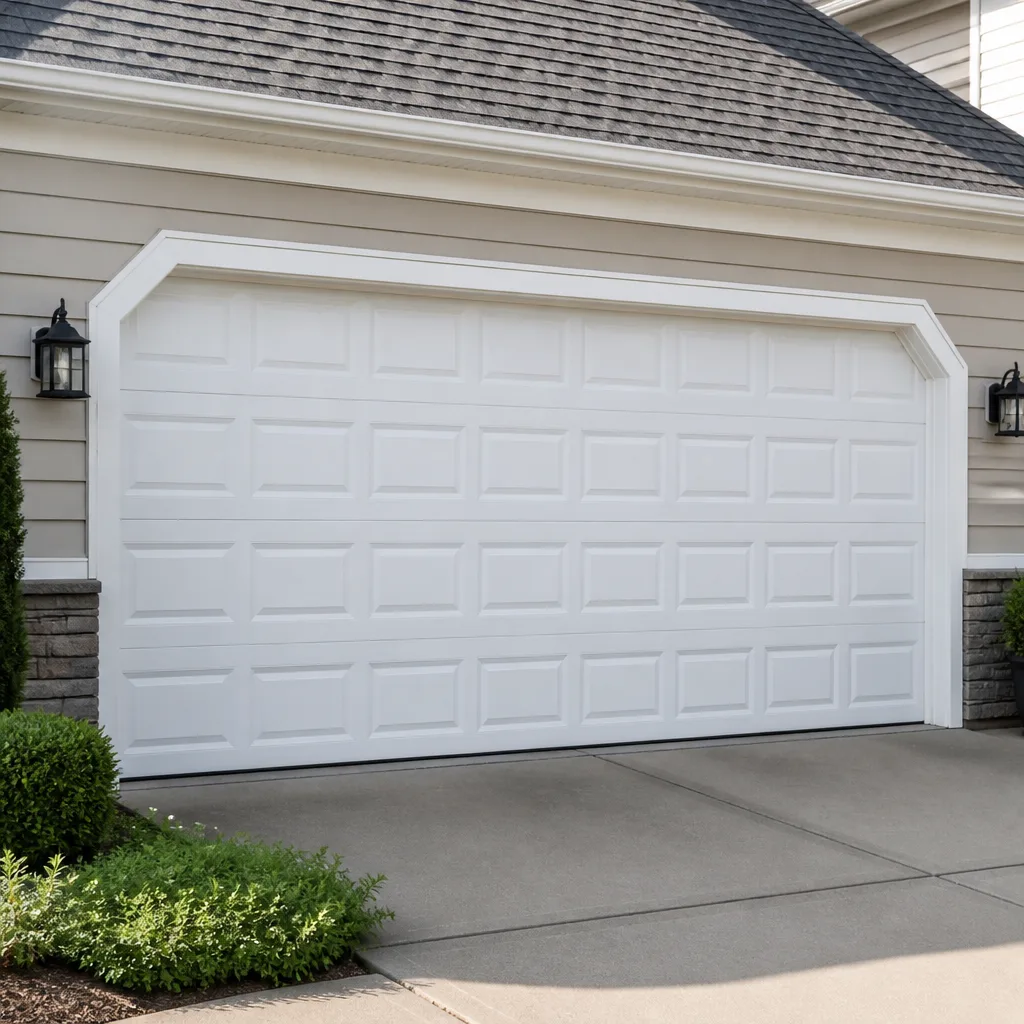 Raised-panel steel
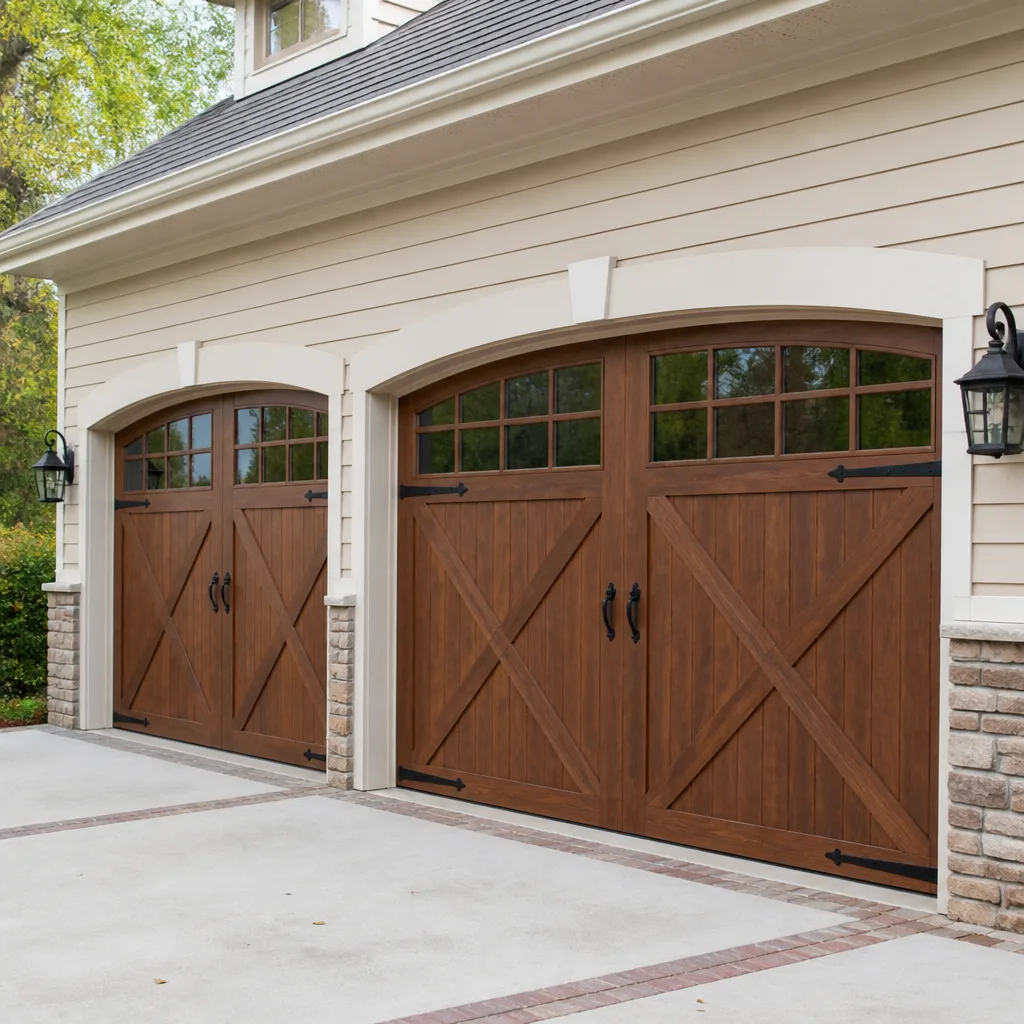 Carriage house
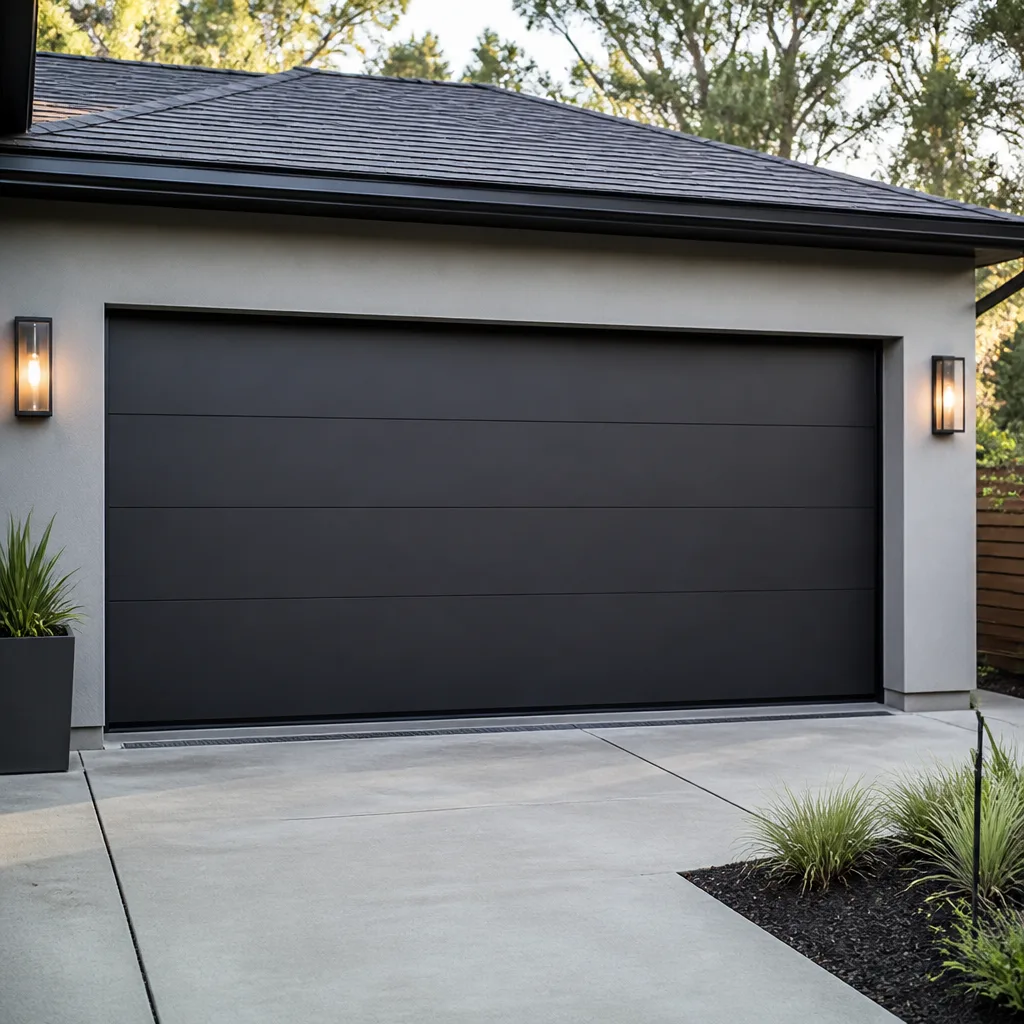 Modern flush
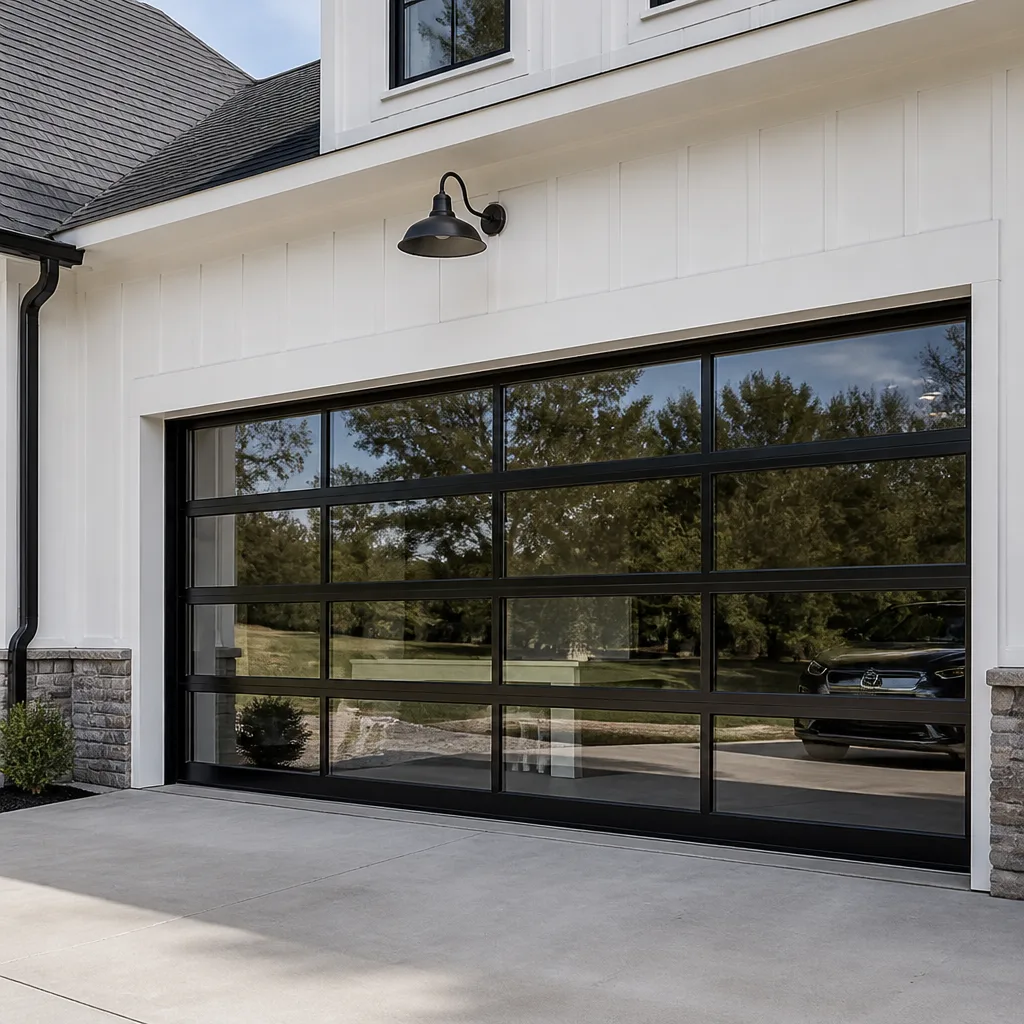 Full-view glass
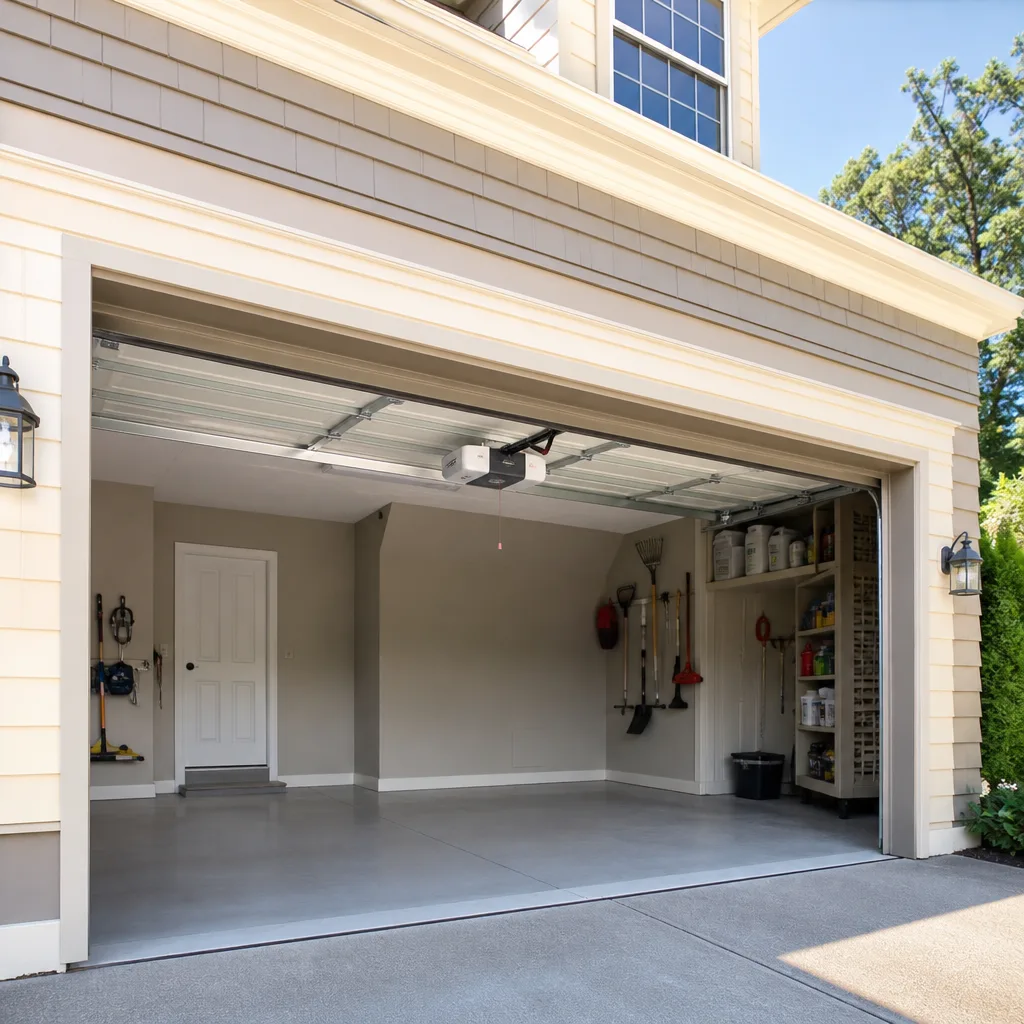 LiftMaster openers
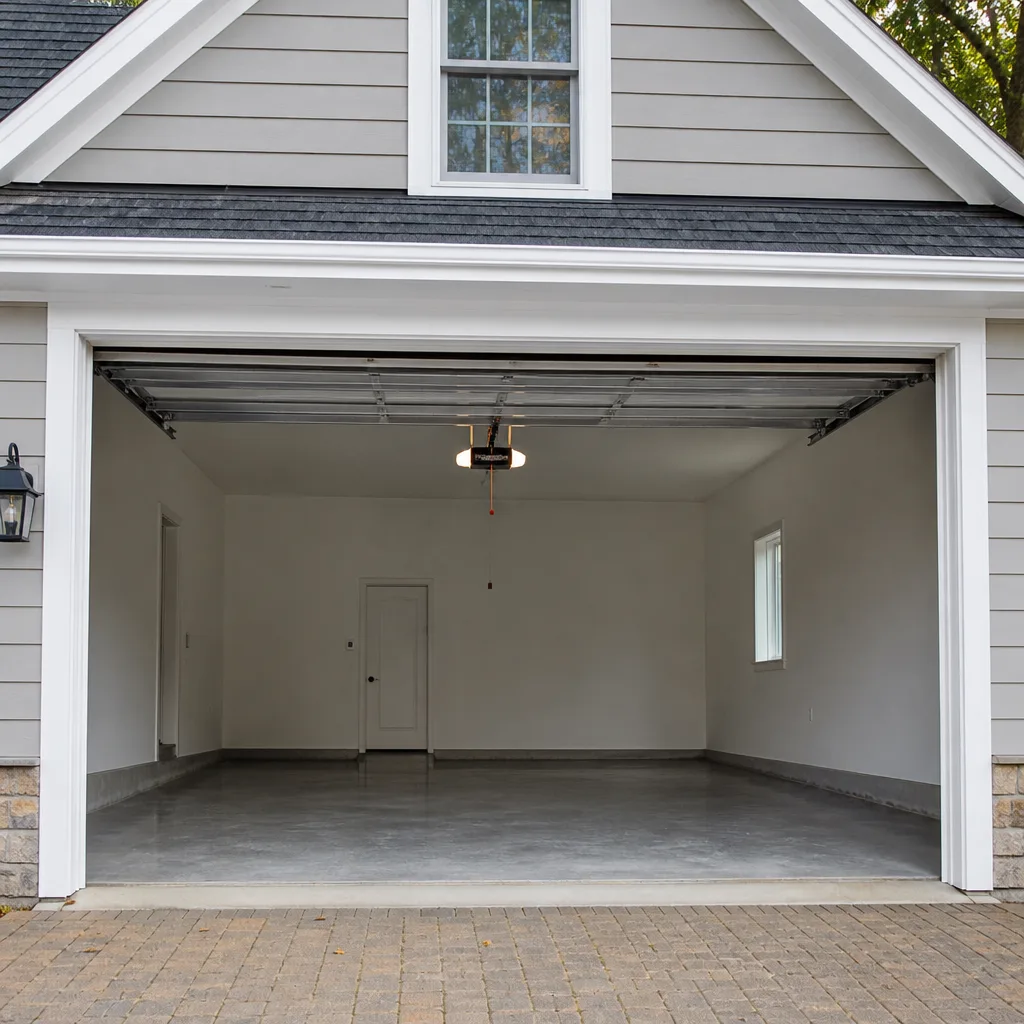 Chamberlain openers
Full 25-point door and opener safety check with every visit - springs, cables, rollers, tracks, and your LiftMaster or Chamberlain opener included
You get a price before we start. It does not change when the truck arrives.
Get your free estimateChoosing the Right Garage Door Brand: A Buyer’s Guide for Pacific Beach
Two garage doors can sit side by side in a Pacific Beach showroom, look nearly identical, and cost within a hundred dollars of each other. Three years later, one still operates like the day it was installed. The other has rust blooming along the bottom rail, a finish that’s chalked out under the sun, and hinges that creak every time the door moves. The difference is rarely visible on day one. It lives in the coating specification, the gauge of the steel, and whether the manufacturer’s warranty quietly excludes homes within a mile of the ocean. This guide breaks down exactly what to look for in a garage door brand when you live in Pacific Beach, where salt air, marine layer moisture, and intense UV exposure test every material decision you make. For a deeper dive, see The Complete Garage Door Repair Guide for Pacific Beach Homeowners.
Quick Answer
The best garage door brand for a Pacific Beach home is one that publishes clear coastal-environment specifications, uses hot-dipped galvanized steel, and doesn’t bury a “marine zone” exclusion in its warranty. Among major manufacturers, Clopay and Amarr offer the most transparent coastal documentation, while Wayne Dalton and CHI specify galvanized substrates on select lines. Your opener brand matters less than your door brand for coastal durability, but LiftMaster’s circuit board encapsulation gives it an edge within a mile of the water.
Styles & brands we work with
- Raised-panel steel
- Carriage house
- Modern flush
- Full-view glass
- LiftMaster openers
- Chamberlain openers
Table of Contents
- Why Pacific Beach Isn’t a Normal Garage Door Market
- The Warranty Fine Print That Voids Coastal Coverage
- How the Major Brands Actually Compare for Salt Air
- Steel Gauge, Coating Thickness, and Galvanization: The Specs That Matter
- Opener Brands for Coastal Homes: LiftMaster vs. Chamberlain vs. Genie
- Matching Door Brand and Panel Profile to Pacific Beach Architecture
- When Steel Isn’t the Answer: Alternatives Worth Considering
- A Step-by-Step Decision Process for Pacific Beach Buyers
Why Pacific Beach Isn’t a Normal Garage Door Market
A garage door installed in La Mesa or Poway faces a fundamentally different environment than the same door five blocks from Tourmaline Surf Park. The marine layer that rolls in most mornings carries salt aerosol and trapped moisture. It condenses on metal surfaces, works into seams, and accelerates corrosion in ways that interior San Diego neighborhoods never experience. We’ve opened doors in North Pacific Beach that looked acceptable from the street but had bottom rails so corroded from behind that the weather seal had detached completely.
The relevant factors stack up fast:
- Salt deposition: Homes within roughly a mile of the surf line get measurable salt accumulation on exterior surfaces. That salt is hygroscopic, meaning it pulls moisture out of the air and holds it against the metal.
- Marine layer moisture: Even when it’s not raining, morning fog bumps relative humidity high enough to trigger corrosion on untreated or lightly treated steel.
- UV intensity: Pacific Beach gets the same fierce San Diego sun as the rest of the county. Polyester and vinyl finishes fade and chalk under that exposure, and darker colors absorb enough heat to accelerate coating breakdown.
- Wind and driven spray: West-facing garage doors in Mission Beach and North PB take direct onshore wind. That’s not just a force issue; it carries salt spray into hardware, hinges, and even the seams between panels.
- Sand: Fine beach sand works into tracks and roller assemblies, creating abrasive wear that compounds whatever corrosion is already happening.
What this means for brand selection is simple: the brand’s published specifications matter more than its reputation in other markets. A manufacturer that’s historically dominant in Phoenix or Las Vegas may have built its reputation on powder-coated steel that performs perfectly in the desert but doesn’t hold up within sight of the water. The brands that do well in Pacific Beach are the ones that thought about coastal environments during engineering, not just during marketing.
At Bison Garage Door Repair home, our recommendation process always starts with the home’s exact distance from the water and the door’s exposure orientation, because those two variables narrow the field faster than any style preference.
The Warranty Fine Print That Voids Coastal Coverage
Here’s a scenario we’ve seen unfold more times than we can count: a homeowner buys a garage door, feels good about the “lifetime limited warranty,” and then files a rust claim after three years of Pacific Beach exposure. If you’re weighing whether to tackle issues yourself or call in help, our DIY vs Professional Garage Door: The Pacific Beach Homeowner’s Decision Guide walks through the real trade-offs. The claim gets denied because the warranty document includes a coastal exclusion clause that the buyer never saw. Some manufacturers route coastal corrosion claims through a separate, shorter coverage period. Others exclude finish and rust coverage entirely for homes within a specified distance of salt water. A few maintain full coverage but require specific maintenance intervals with documentation.
This is not obscure information buried in footnote 14. It’s in the main warranty document, and it’s worth reading before you write a check. The phrase to look for is “marine” or “coastal environment” in the exclusions section. If the warranty defines a specific geographic boundary, like “within 10 miles of a coastline,” your Pacific Beach home in the 92109 ZIP code is almost certainly inside it.
Specific things to check in any manufacturer’s warranty:
- Finish warranty carve-outs: Does the rust-through coverage apply to the finish, or only to structural failure? Many lifetime warranties cover rust-through of the steel substrate but limit paint or finish coverage to 1-3 years.
- Coastal geographic exclusions: Does the warranty define a saltwater proximity boundary? Amarr and Clopay both publish coastal guidelines; Wayne Dalton’s warranty language varies by product line and is worth reading closely.
- Maintenance conditions: Some brands require documented cleaning (typically every 3-6 months) to keep finish coverage active. Failing to document that maintenance voids the finish warranty even if the door was never cleaned in reality.
- Replacement part coverage vs. labor: Even when a warranty covers a coating failure, it rarely covers the labor to uninstall and reinstall the door. A brand that provides 10 years of finish coverage but zero labor still leaves you paying $200+ for the service call.
Our team routinely helps Pacific Beach homeowners navigate these fine-print traps. When we install a door, we make sure the buyer understands exactly what is and isn’t covered before the work happens, and we document the installation so future warranty claims have a clear paper trail. That’s not something every installer bothers to do, but in a coastal market it’s the difference between a covered claim and a denied one.
If you already have a door and want to check your coverage status, the key question is whether the manufacturer lists your installation date and door model in a registerable warranty portal. Unregistered doors sometimes forfeit enhanced coverage, particularly on finish claims.
How the Major Brands Actually Compare for Salt Air
When a Pacific Beach homeowner asks us which brand to choose, we give the same answer every time: the brand matters less than the specification, but some brands make it easier to get the right specification without fighting upstream. Here’s what our experience has shown across thousands of doors installed and serviced along the San Diego coast.
Clopay
Clopay publishes the most transparent coastal documentation of any major residential door manufacturer. Their Coastal Living collection is specifically designed for salt-exposed environments, with galvanized steel substrates and marine-grade hardware. What distinguishes Clopay from most competitors is the clarity: the website and warranty documents spell out what’s covered in coastal environments rather than burying exclusions. For Pacific Beach buyers, the key models to evaluate are in the Gallery and Bridgeport lines when built with galvanized steel cores, and the Coastal Living series when the door faces direct west wind exposure. One thing to note: Clopay doors are sold through dealers, which means installation quality and warranty support vary by the company that installs the door.
Amarr
Amarr is the other manufacturer that clearly addresses coastal applications. The Classica and Heritage lines are available in rust-resistant configurations, and Amarr’s warranty documentation provides specific language about coastal finish coverage periods. In our experience, Amarr’s steel gauge on the Classica line runs slightly heavier than many comparable Clopay panels, which matters for a door that takes direct onshore wind. The trade-off is finish longevity: some Amarr colors show UV fading faster than Clopay’s premium coatings, so color selection and the distance from the water become even more important variables.
Wayne Dalton
Wayne Dalton has deep distribution and is one of the most common doors we see in newer Pacific Beach construction. Their 9000-series wood-grain steel doors are well built, but the warranty language on finish coverage in coastal zones is less generous than Clopay or Amarr. If a Wayne Dalton door is the right aesthetic fit, we recommend selecting a galvanized substrate model explicitly, not assuming the standard spec includes it. The hardware is the weak point more often than the panels: roller brackets and track fasteners on standard-spec Wayne Dalton installs corrode faster in Pacific Beach than the equivalent components from Clopay or Amarr. We stock brand-specific replacement hardware for Wayne Dalton doors for exactly this reason.
CHI
CHI is the under-the-radar brand that deserves more consideration in coastal environments. Their steel doors are built on hot-dipped galvanized substrates across more product lines than most competitors, and the panel construction uses a robust end cap system that resists warping. CHI’s wood-look finishes are also deeper and more resistant to chalking than many comparable stamped-steel competitors. The main limitation is dealer coverage: CHI has fewer retail partners in the San Diego market, which can make installation and warranty service more complicated if alignment with a local installer isn’t established up front.
For a complete installation in Pacific Beach, we regularly recommend and install all four of these brands. The specific choice depends on the home’s exact location, the door’s exposure direction, and the budget allocation between upfront cost and long-term finish durability. If you’d like to see options and quotes, call us at (866) 282-5711 and we’ll walk through the trade-offs for your specific address.
Steel Gauge, Coating Thickness, and Galvanization: The Specs That Matter
Garage door marketing photos make every door look identical. The specifications document tells the truth. For a Pacific Beach buyer, three numbers determine whether a steel door survives five years or twenty: the gauge of the steel, the type of galvanization on the substrate, and the chemistry of the outer coating. Here’s how to read each one.
Steel Gauge
Garage door steel gauge typically runs from 24 (thinner) to 26 (thicker), with some premium doors using 25 or 24-gauge steel on the exterior face and heavier gauge on structural supports. The confusion is that a lower gauge number means thicker steel: 24-gauge is thicker than 26-gauge. In a coastal environment, thicker steel matters for reasons beyond dent resistance. Thicker steel corrodes from the inside more slowly, which means a 24-gauge panel gives you more protective substrate before rust compromises the panel. As a rule of thumb, we don’t recommend anything thinner than 25-gauge for a Pacific Beach installation, and 24-gauge is the safer specification for west-facing or within-5-blocks-of-the-surf homes.
Galvanization
Galvanization is in simple terms the process of coating steel with a layer of zinc. The zinc sacrifices itself to corrosion before the steel starts to rust. There are two grades that matter for garage doors: hot-dipped galvanized and electro-galvanized. Hot-dipped galvanization deposits a much thicker, more durable zinc layer and is the standard we recommend for any Pacific Beach installation. Electro-galvanized steel is thinner and more prone to pinhole defects that become rust points. If a manufacturer’s spec sheet says “galvanized steel” without specifying “hot-dipped,” that’s an unanswered question to resolve before purchase.
Coating Chemistry
The outer paint or finish layer does two jobs: it protects the substrate and it holds the color. For coastal homes, the key distinction is between polyester-based finishes (cheaper, more prone to UV chalking) and polyurethane or vinyl-based finishes (tighter cross-linked structure, better color retention, stronger moisture barrier). The good news is that most premium garage doors from Clopay, Amarr, Wayne Dalton, and CHI use multi-layer coatings, often a primer plus base coat plus clear protective topcoat. The bad news is that some budget doors still use single-stage polyester finishes that won’t survive more than three or four Pacific Beach summers without visible degradation.
Real Numbers for a Real Buy
To put this into practical terms, here’s the specification we’d want to see for a Pacific Beach steel garage door:
- Steel gauge: 24 or 25 on the exterior panel face.
- Galvanization: Hot-dipped, not electro-galvanized.
- Coating system: Multi-stage primer with polyester topcoat at minimum; polyurethane clear coat strongly preferred for west-facing doors.
- Hardware: Galvanized or stainless steel hinges, roller brackets, and fasteners. Standard zinc-plated hardware fails first in salt air.
- Bottom seal: Marine-grade vinyl that resists salt and UV degradation, not the cheapest weather strip in the catalog.
These specifications exist across product lines from several manufacturers. Reading the spec sheet carefully and asking the right questions is what separates a door that handles Pacific Beach from a door that slowly fails in Pacific Beach. Our team is happy to pull spec sheets for any door you’re considering and walk through them line by line with you.
Opener Brands for Coastal Homes: LiftMaster vs. Chamberlain vs. Genie
The garage door brand conversation tends to focus on the door itself, but the opener mounted on the ceiling is also a coastal durability variable. Salt air doesn’t just corrode panels; it attacks circuit boards, electrical contacts, and the internal gears and sprockets of opener motors. We’ve replaced openers in Pacific Beach that failed not because the motor wore out but because the circuit board corroded from marine layer moisture exposure.
LiftMaster
LiftMaster is the brand we see holding up best in Pacific Beach coastal environments. The primary reason is circuit board encapsulation: LiftMaster’s smart logic boards are potted in a protective coating that resists moisture intrusion far better than open boards. We also see better corrosion resistance on LiftMaster’s rail assemblies and drive gears, and the wall control panels are sealed more tightly against humidity. LiftMaster is the professional-grade line from the Chamberlain Group, and the build quality reflects that positioning. If you want maximum reliability within a mile of the water, this is the brand we’d start with.
Chamberlain
Chamberlain and LiftMaster come from the same parent company, and the motor technology is similar, but Chamberlain is the retail line built to a price point. The circuit boards are not as consistently encapsulated, the plastic gears are the same nylon construction most modern openers use, and the rail hardware shows surface corrosion faster in Pacific Beach conditions. Chamberlain openers are not bad products; they’re built for a national market where coastal exposure is the exception, not the rule. For a garage door opener in a Pacific Beach home, the cost difference between a Chamberlain and a comparable LiftMaster is usually under $75, and for coastal exposure that differential buys real longevity.
Genie
Genie has a strong product line, and their Aladdin Connect smart home integration is excellent. In our Pacific Beach experience, the weak point on Genie openers is the belt tensioner assembly and the carriage, which shows wear faster in humid air than the equivalent components on LiftMaster units. The circuit boards are decently protected but not as consistently moisture-resistant. If a Genie unit is already installed and working, we’re happy to service it, and many will give reliable service for years. If you’re buying new specifically for a coastal home, LiftMaster is the more defensible choice on moisture resistance alone.
The Dual-System Advantage in Pacific Beach
One thing worth noting about opener choice is the advantage of having a single company that understands how the door and opener interact. An opener prematurely failing in a coastal environment is sometimes blamed on the opener when the real issue is a poorly tensioned door that’s forcing the motor to work too hard. When both systems are evaluated together, the fix is usually a small adjustment rather than a replacement. If you’re in Pacific Beach and your opener is struggling, we can diagnose the complete system, door and drive, in a single visit – Garage Door Opener Repair in Pacific Beach is part of what we do every day.
Matching Door Brand and Panel Profile to Pacific Beach Architecture
Pacific Beach architecture isn’t one thing. It’s a mix of 1930s beach cottages, mid-century modern flat-roofs, Spanish revival stuccos, and the inevitable 1970s apartment buildings. The garage door that looks right on a craftsman bungalow looks wrong on a mid-century ranch, and vice versa. Here’s how to match door brand and panel profile to the architectural vernacular you actually live in.
The Beach Cottage (1920s-1940s)
These homes are small, set close to the street, and built around simple horizontal lines. The garage is often detached or located at the rear of a narrow lot. The right door is a segmented raised panel with no windows and a wood-look finish that doesn’t overpower the scale of the house. Clopay’s Bridgeport line in a walnut or medium oak wood-grain finish fits this aesthetic well, as do Amarr’s Classica panels in narrower raised panel profiles. Avoid carriage-house doors with decorative hinges on a beach cottage; the scale is wrong and the look is theme-park. For the hardware, real galvanized or stainless components hold up far better than decorative black iron that corrodes within a season.
Mid-Century Modern (1950s-1970s)
Pacific Beach has a surprising number of mid-century homes, particularly in the hills east of Ingraham Street and scattered through North PB. These homes have clean lines, low-pitched or flat roofs, and large window expanses. The right garage door is either a flush panel with minimal texture or a long-panel design with few visual interruptions. CHI’s flush door models in solid colors work exceptionally well for mid-century, especially in white, gray, or matte black. Avoid ornate wood-grain textures and anything with visible stiles and rails; the door should read as a plane, not a decorated surface. On a mid-century home with an original door, we often recommend replacement with a modern flush door that preserves the architectural intent while upgrading the materials.
Spanish Revival and Mediterranean
The Spanish-style homes concentrated in south Pacific Beach and along the bluffs call for a different treatment. These homes have heavy stucco masses, terracotta roof tiles, and substantial visual weight. A garage door on a Spanish revival home should feel solid and grounded, not light and industrial. Wayne Dalton’s wood-grain doors in medium-dark tones or Clopay’s Coachman series in a recessed panel configuration work well here. The key is matching the warm stucco palette with a warm door color. Cool grays and black doors fight the architecture. If you see black iron hinges on these homes, they should be genuine wrought or powder-coated stainless: Pacific Beach salt air accelerates the fake-patina look in months.
The Modern Beach Build
Newer Pacific Beach construction, particularly the three-story contemporary builds that have replaced older homes in North PB, works best with full-view glass doors or slab doors in darker neutral tones. Amarr’s Classica full-view options and Clopay’s Avante collection aluminum-and-glass doors both work well for modern beach architecture. These doors are designed for coastal exposure, with aluminum frames that don’t rust and tempered glass that handles both wind and thermal stress. The cost is higher, but for a modern build the visual payoff is real.
If you’re deciding between styles and want a recommendation based on the specific architecture of your Pacific Beach home, Garage Door Installation in Pacific Beach includes a design consult where we’ll evaluate your home’s style and recommend panel profiles that suit it.
When Steel Isn’t the Answer: Alternatives Worth Considering
Most Pacific Beach garage doors are steel, and for good reason: it’s the best balance of cost, strength, and customization. But steel is not the only answer, and in specific situations the alternatives are objectively better. Here’s what to know about the non-steel options.
Aluminum and Glass
Full-view aluminum doors are our most common recommendation for modern Pacific Beach homes where visual transparency matters. Aluminum doesn’t rust the way steel does, and modern powder-coated aluminum frames hold their finish well in salt air. The weakness is dent resistance: aluminum is softer than steel and a beach cruiser bike hitting the door will leave a mark. For homes with protected or recessed garages, aluminum is an excellent coastal choice. For doors that face the street and collect the occasional bump, aluminum’s denting is a real trade-off.
Wood
Solid wood garage doors are beautiful and traditional, but they are the single most demanding choice in a Pacific Beach environment. Wood absorbs moisture from the marine layer, expands and contracts with humidity cycles, and requires repainting or restaining on a regular schedule. The maintenance budget is real: a wood door within a mile of the ocean needs refinishing every two to three years, and if you miss that window, rot sets in. We’ve removed custom cedar doors from Pacific Beach homes that looked like driftwood after five years. Wood doors can work here, but only for owners who accept the maintenance commitment. The one exception is garage doors constructed from marine-grade treated woods, which are rare, expensive, and usually custom-built.
Vinyl
Vinyl garage doors have a niche role in Pacific Beach: they’re essentially corrosion-proof, making them a good choice for garages that are unusually exposed to salt spray, like alley-facing garages in Mission Beach or PB condominium complexes near the boardwalk. Vinyl is not a luxury product; the panel profiles are limited and the appearance is basic. But if you want a door that will never rust and you’re less concerned about visual nuance, vinyl delivers. Raynor’s vinyl lines are worth exploring if this profile fits your situation.
The right material follows from an honest assessment of exposure, maintenance tolerance, and aesthetic priority. If you’re uncertain whether a steel, aluminum, or vinyl door is right for your Pacific Beach garage, we can evaluate the specific site conditions and give you a straight recommendation.
A Step-by-Step Decision Process for Pacific Beach Buyers
Buying a garage door involves a dozen small decisions, and it’s easy to get lost in the options. Here’s the process we use with Pacific Beach clients to get from “we need a new door” to “we love our new door” without wasted time or costly missteps.
- Measure and assess the opening. Before any brand conversation, get accurate measurements of the rough opening, the side room, and the headroom. Pacific Beach garages are often tighter than suburban garages, and some older homes have non-standard openings that eliminate certain door types. A professional measurement is free and takes 20 minutes.
- Determine exposure level. How far is the home from the water? What direction does the door face? Is it protected by an awning or adjacent structure? This exposure assessment narrows the brand and specification conversation immediately. A west-facing door in North PB three blocks from Tourmaline needs different specifications than an east-facing door in a protected courtyard off Crown Point.
- Set a realistic budget. For Pacific Beach, we generally tell clients to budget at $1,500-$3,500 for a quality steel door installed, and $3,000-$7,000 for a full-view aluminum or premium wood-look door. The lower end of that range covers basic single-car doors with good coastal specs; the upper end covers double-wide custom options. This is explicit line-item pricing, not a vague range, and we quote every job before any work begins.
- Match panel profile to architecture. Using the guidance in the previous section, identify two or three panel styles that fit your home’s era. Narrowing to a short list makes the remaining decisions much easier.
- Spec the door for coastal conditions. Confirm hot-dipped galvanized steel (if steel), multi-stage finish, galvanized or stainless hardware, and a marine-grade bottom seal. Ask to see the manufacturer’s warranty language on coastal finish coverage.
- Select the opener. For Pacific Beach, we recommend LiftMaster for maximum moisture resistance, with Chamberlain as a budget alternative and Genie as a third option. Current openers with battery backup are worth considering given the occasional Pacific Beach power disruptions during Santa Ana wind events.
- Schedule installation at the right time. Pacific Beach’s marine layer is heaviest May through July. The ideal installation window is September through November, when the air is driest and the sealants and caulks can cure properly. Installation is possible any time of year, but the dry season makes for a better long-term seal.
One final note: measure twice before buying a door at retail. The big box home centers sell doors in standard sizes that don’t fit many older Pacific Beach garages without modifications. A professional measurement and a custom-ordered door avoids the frustration of a return trip and re-stocking fees when the standard size doesn’t fit your opening.
Common Mistakes to Avoid
- Buying a door without reading the coastal warranty language. We’ve seen too many Pacific Beach homeowners learn about marine exclusions after the door is already rusting. Read the warranty before you buy, not after you file a claim.
- Choosing a color based on a showroom sample without considering the sun. Dark doors in direct Pacific Beach sun get significantly hotter than light ones, which accelerates coating breakdown. If you want a dark door on a west-facing garage, budget for the premium finish.
- Assuming a standard bottom seal will handle tide-driven moisture. Standard vinyl seals harden in salt air and UV exposure. Marine-grade seals cost a few dollars more and last twice as long. This is an upgrade we apply on every Pacific Beach install.
- Ignoring door weight when choosing an opener. A heavy wood or full-glass door requires an opener rated for the weight. Underpowered openers wear out fast and strain the drive system. The door and opener should be spec’d together, not independently.
- Opting for the cheapest installation quote. The cost variation between installers is usually in the details: galvanized hardware versus standard, proper sealing versus skipped caulking, and documentation of the work for warranty claims. Cheap installation on a Pacific Beach door often costs more in the third year.
- Replacing a door when a repair would have sufficed. Pacific Beach doors that look terrible are sometimes just neglected. A new bottom seal, new hardware, and a panel replacement can extend a door’s life by five years. Before budgeting for a new door, get a diagnosis from a specialist who works on your brand. Our Garage Door Repair in Pacific Beach service covers exactly this assessment.
See the difference
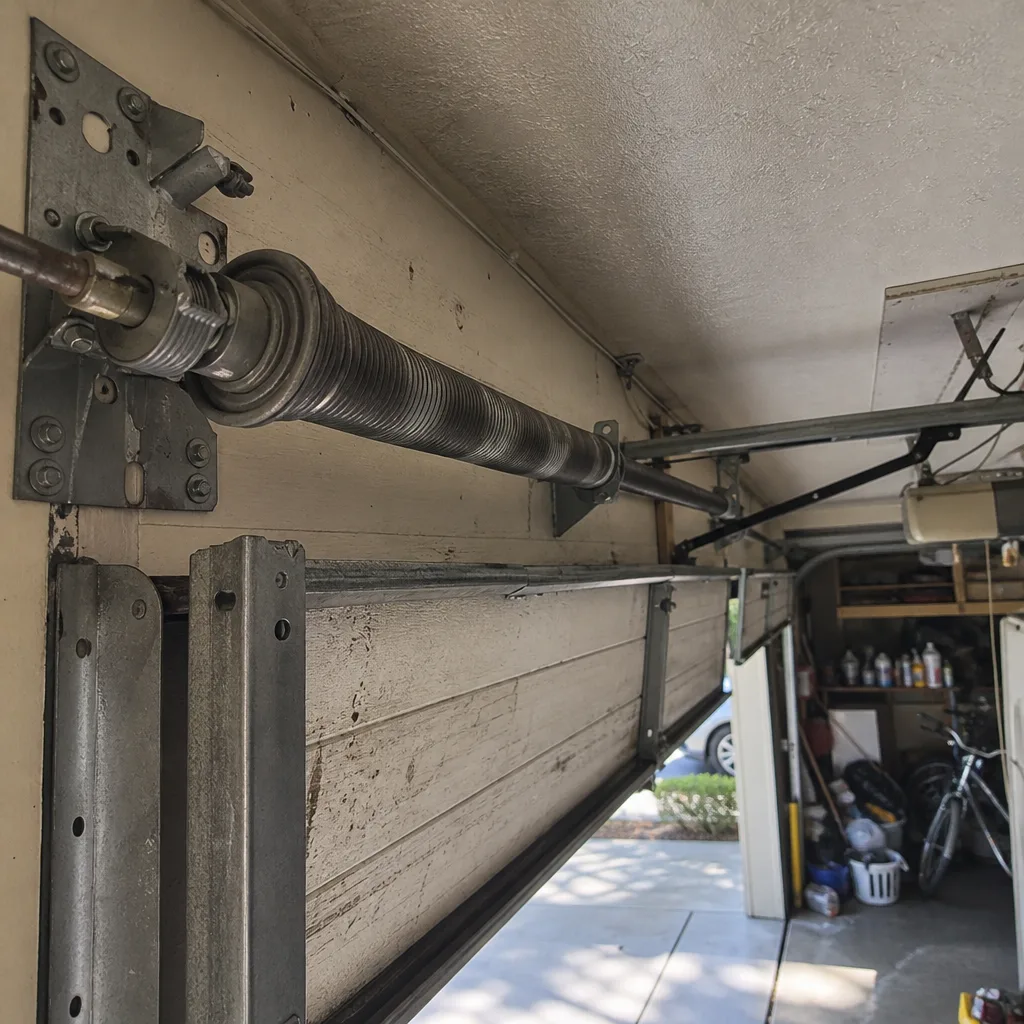 Before
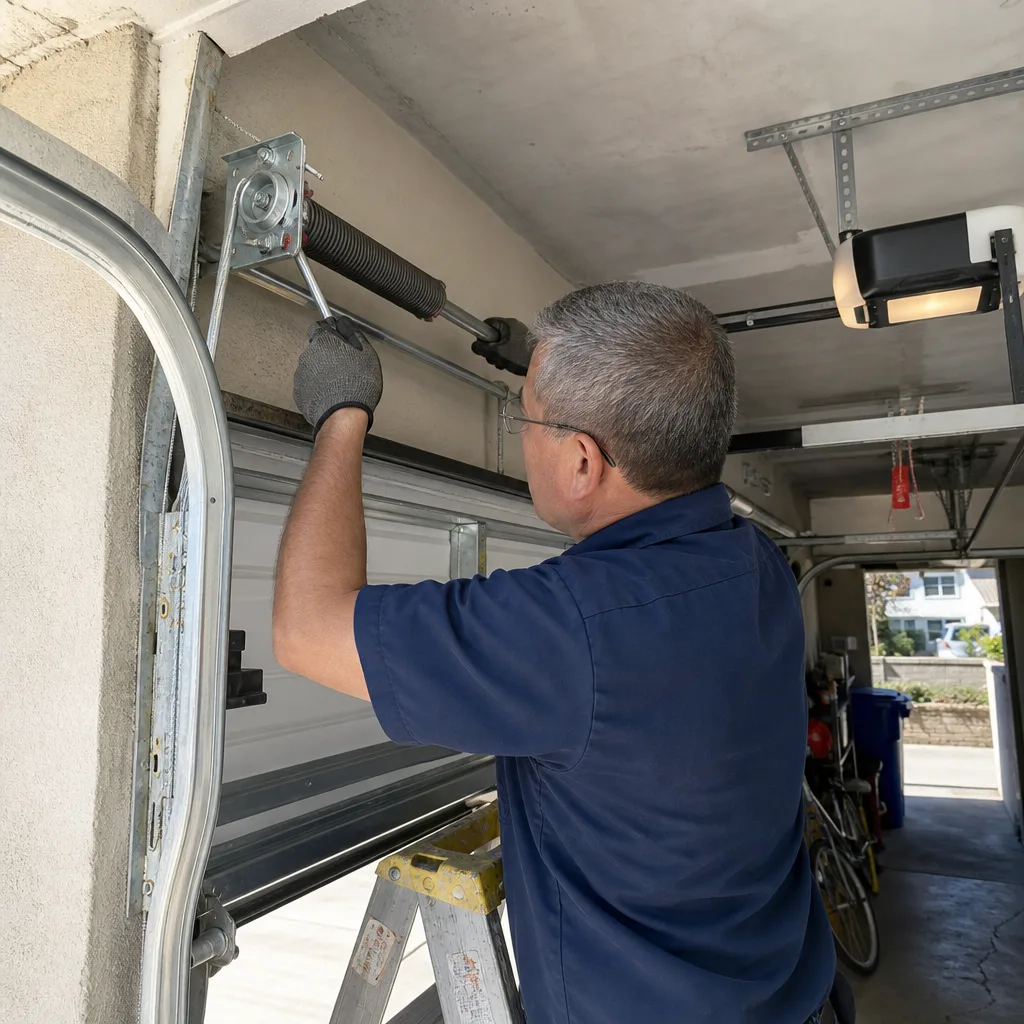 After
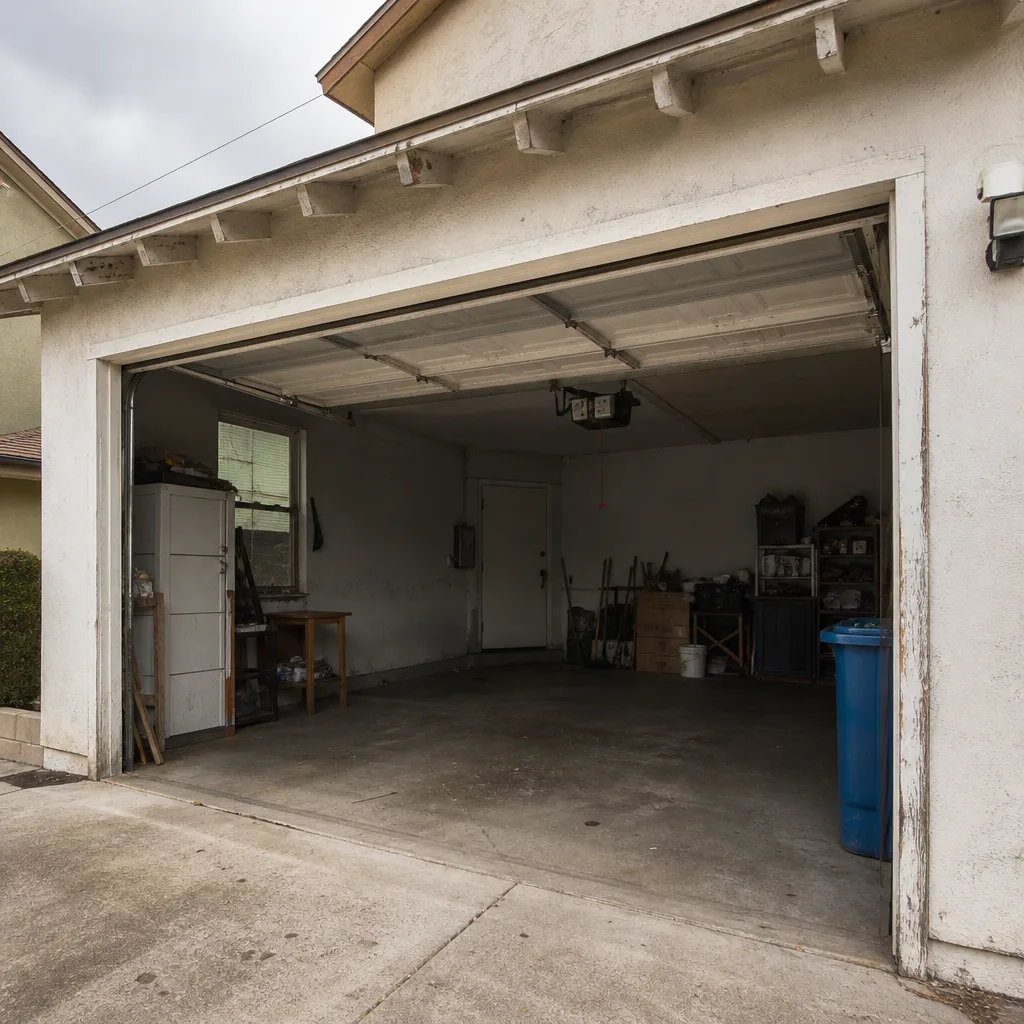 Before
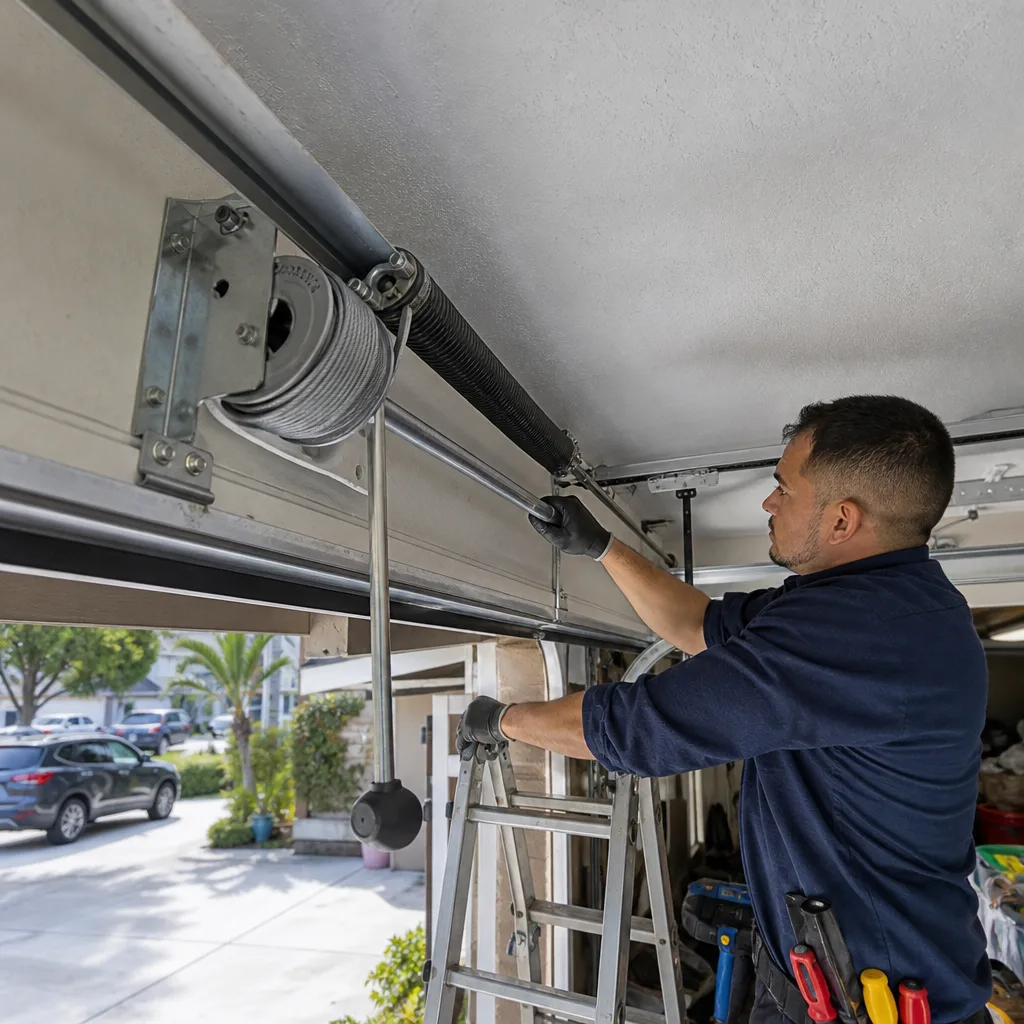 After
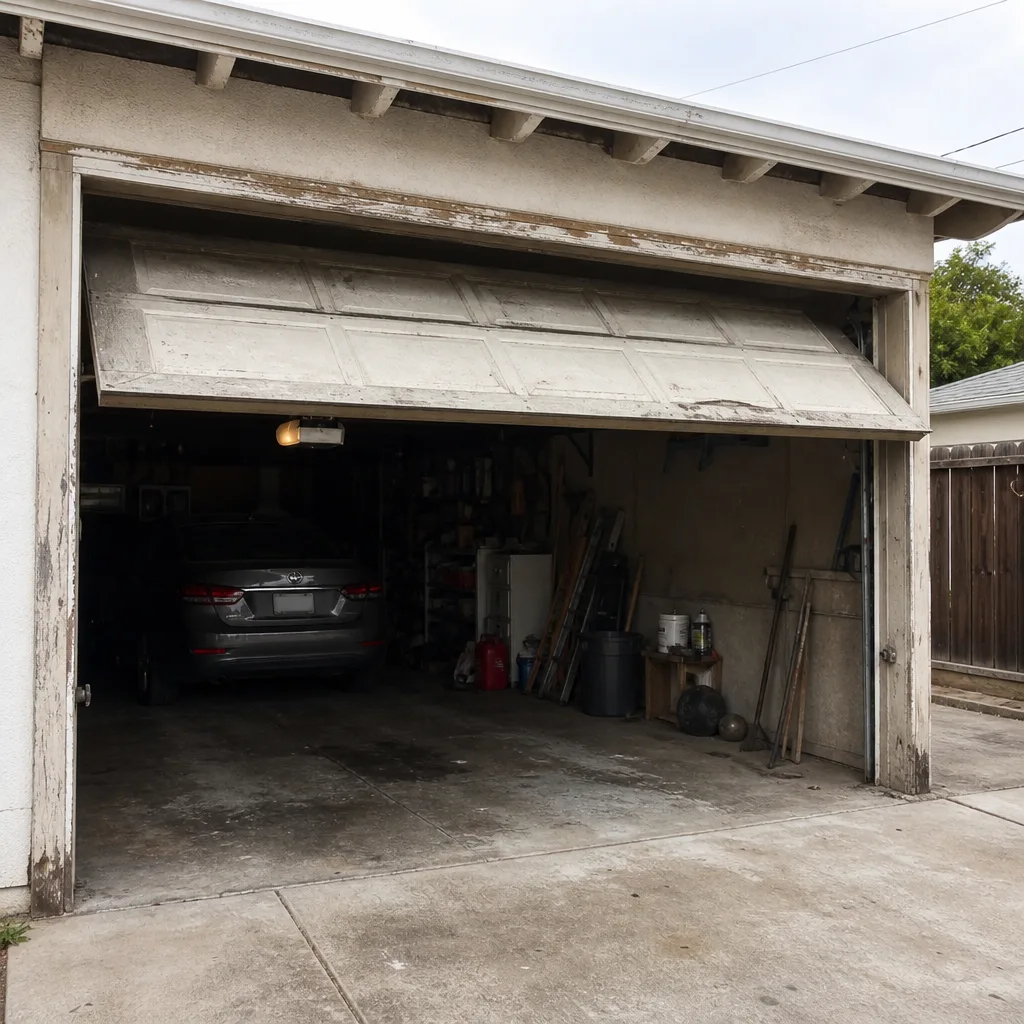 Before
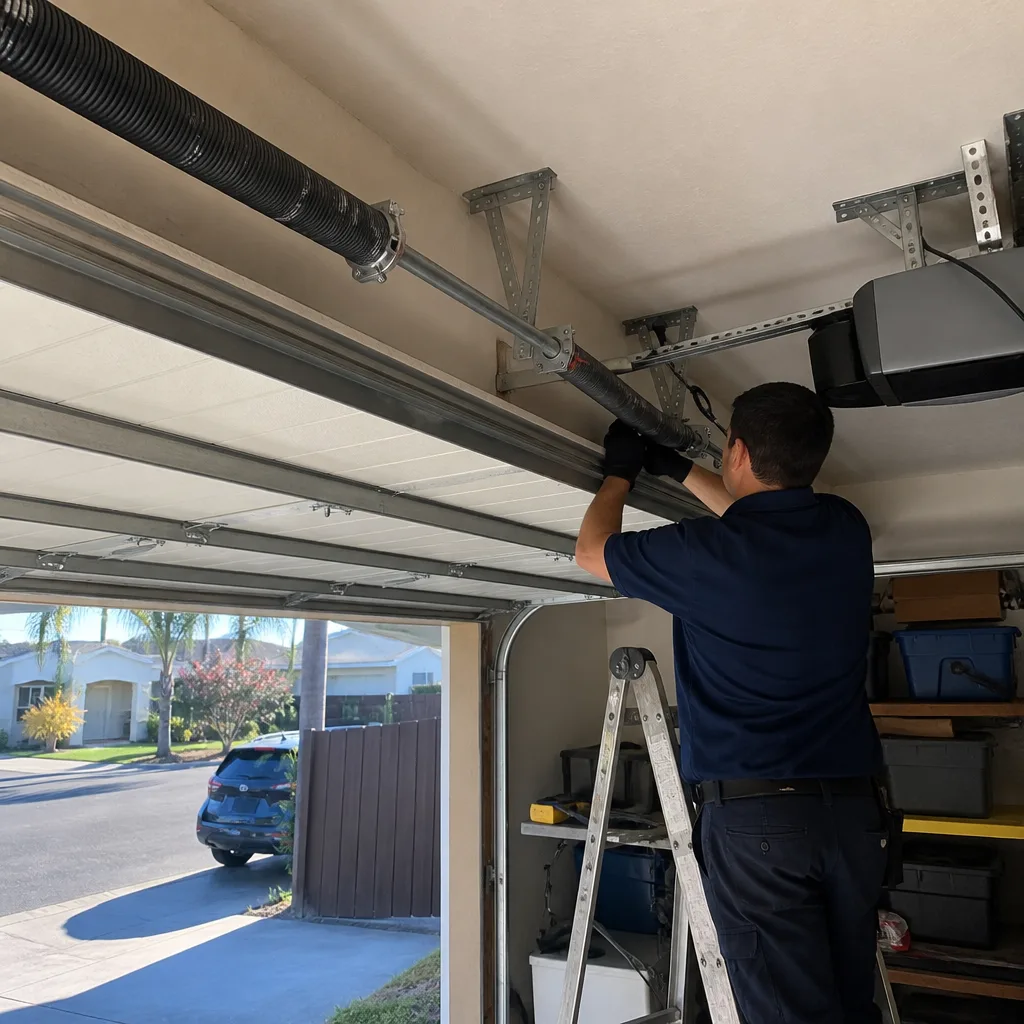 After
When to Call a Professional
Garage door installation is not a casual DIY project, and in Pacific Beach the stakes are higher because the environmental variables are real. Call a professional if you’re replacing a door on a home with a non-standard opening, if you’re unsure whether the existing spring system matches the weight of a new door, or if your current door has sustained impact damage that might have compromised the structural components. A garage door under spring tension is dangerous to work on without training, and even experienced homeowners get hurt attempting spring replacement. The cost of a professional installation is modest compared to the cost of a garage door that’s misaligned, mis-sprung, or installed without proper coastal sealing. Browse our more guides & resources for additional Pacific Beach garage door advice. Bison Garage Door Repair offers free estimates in Pacific Beach; call (866) 282-5711 and we’ll come out, measure your opening, assess your current door, and give you a written price with no obligation.
Frequently Asked Questions
Clopay and Amarr offer the strongest combination of transparent coastal documentation, galvanized steel options, and durable finish systems for Pacific Beach conditions. CHI is a strong third choice with excellent galvanization across its product line. Wayne Dalton doors perform well when specified with galvanized substrates, so the exact model matters more than the brand name alone.
Some do and some don’t, depending on the manufacturer’s coastal exclusion language. Clopay and Amarr have the most generous coastal finish coverage, while other manufacturers shorten coverage periods or exclude finish rust entirely for homes within a specified distance of salt water. Always read the warranty document’s coastal or marine section before purchasing.
A well-specified steel door with hot-dipped galvanized panels, multi-stage finish, and proper installation should last 15-20 years in Pacific Beach before needing panel replacement. Budget doors with standard finishes and hardware typically show significant corrosion within 5-7 years. Regular cleaning extends the span: we recommend hosing down doors within a mile of the water every three months.
For most Pacific Beach homes, yes. The difference is usually $50-$75, and LiftMaster’s circuit board encapsulation and better rail hardware give it a real longevity advantage in marine layer humidity and salt air. If you already have a working Chamberlain, there’s no need to replace it proactively. The LiftMaster advantage applies when buying new.
Yes, when the windows are properly specified. Modern garage door windows use tempered glass rated for impact resistance, and the window frames should be aluminum or vinyl, not standard steel, in a Pacific Beach environment. If your garage faces the ocean, ask for insulated glass units to reduce thermal stress and condensation.
The bottom rail of a garage door is the component most exposed to standing moisture, splash-back from rain and irrigation, and salt accumulation from beach air. Many doors are installed with standard weather seals that trap moisture against the bottom rail. Marine-grade seals and galvanized bottom rails prevent this, but they’re only included on higher-spec doors. When you have a corroded bottom rail, the fix is often a section replacement rather than a full door replacement.
The Bottom Line
The right garage door brand for your Pacific Beach home is the one that’s specified for salt air, warranted for a coastal environment, and installed with galvanized hardware, a marine-grade bottom seal, and proper attention to the details that generic installers skip. Clopay and Amarr lead the pack for documented coastal coverage, with CHI and Wayne Dalton as strong contenders when the right specifications are ordered. Your opener should be considered in the same breath as your door, and LiftMaster gives the most defensive build for marine layer environments. The single biggest mistake Pacific Beach buyers make is treating garage door shopping as a style decision first. Spec first, style second: that order of operations saves you a decade of rust and frustration.
Ready to choose the right door for your Pacific Beach home? Call Bison Garage Door Repair at (866) 282-5711 for a free in-home estimate and brand recommendation based on your specific exposure and architecture. We’re garage door specialists only, serving Pacific Beach since 2016, and we’ll help you make the right call.
Written by the team at Bison Garage Door Repair, serving Pacific Beach since 2016.