
Last updated November 2, 2026
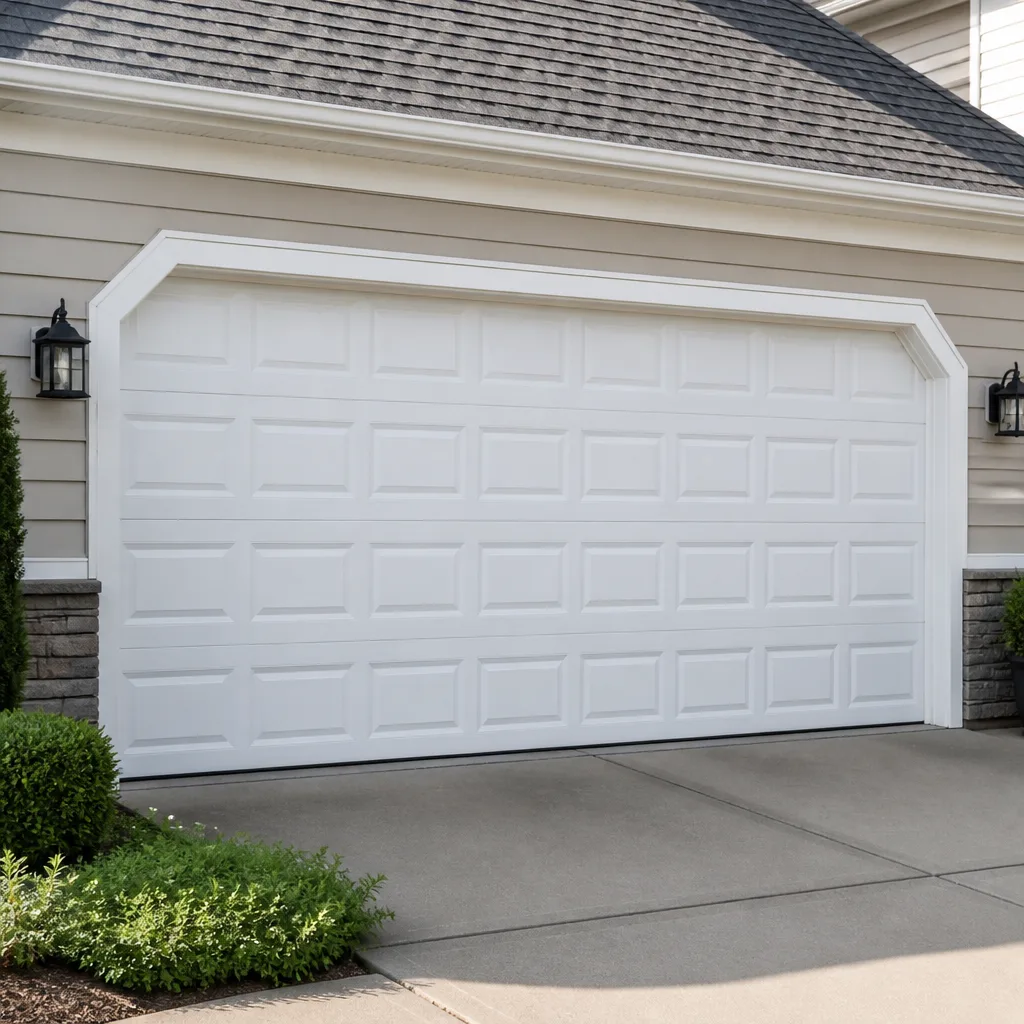 Raised-panel steel
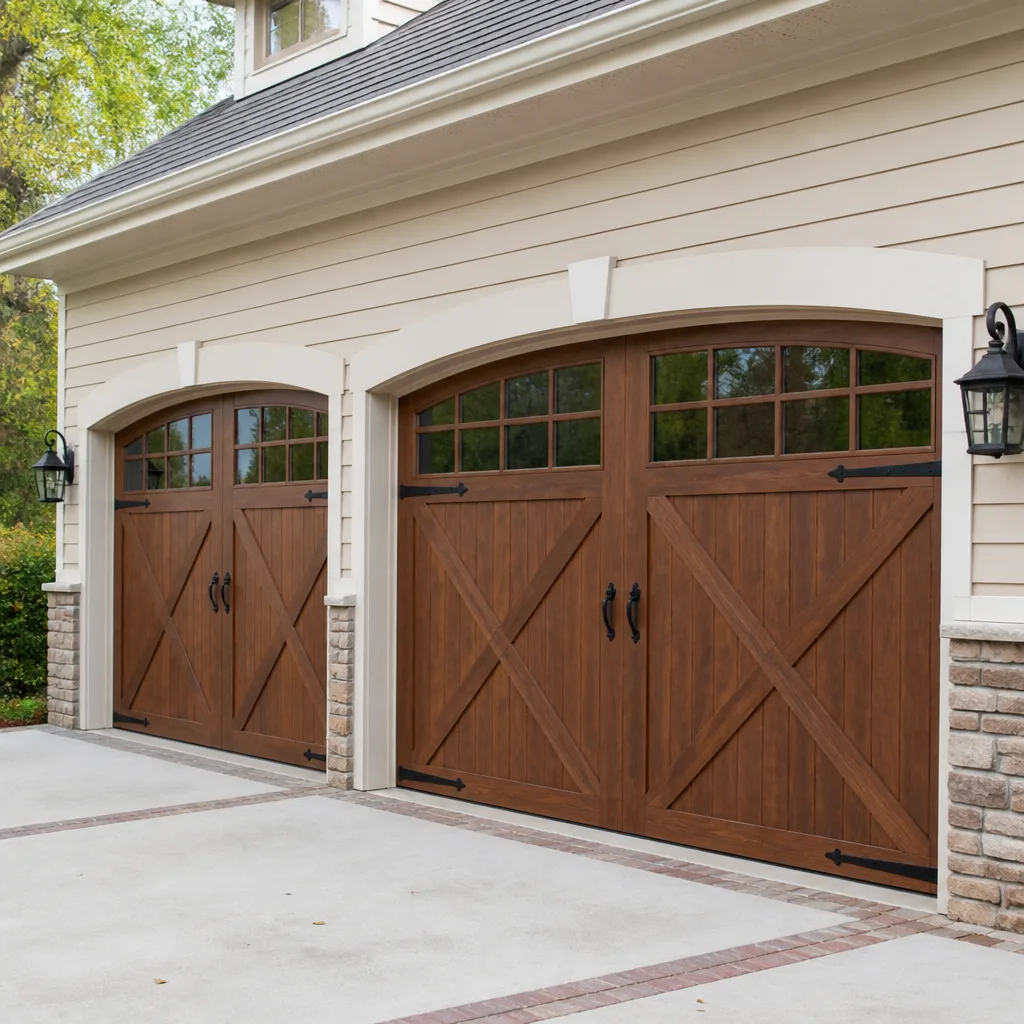 Carriage house
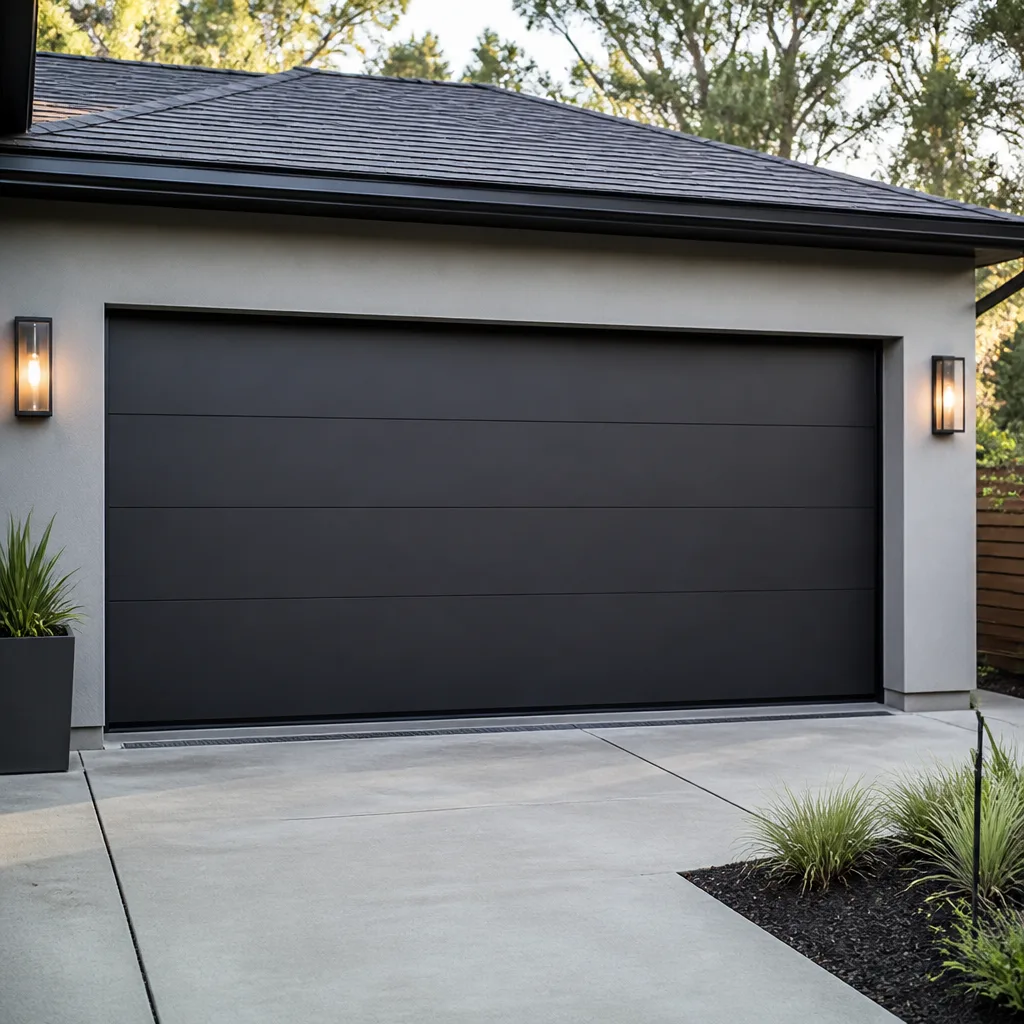 Modern flush
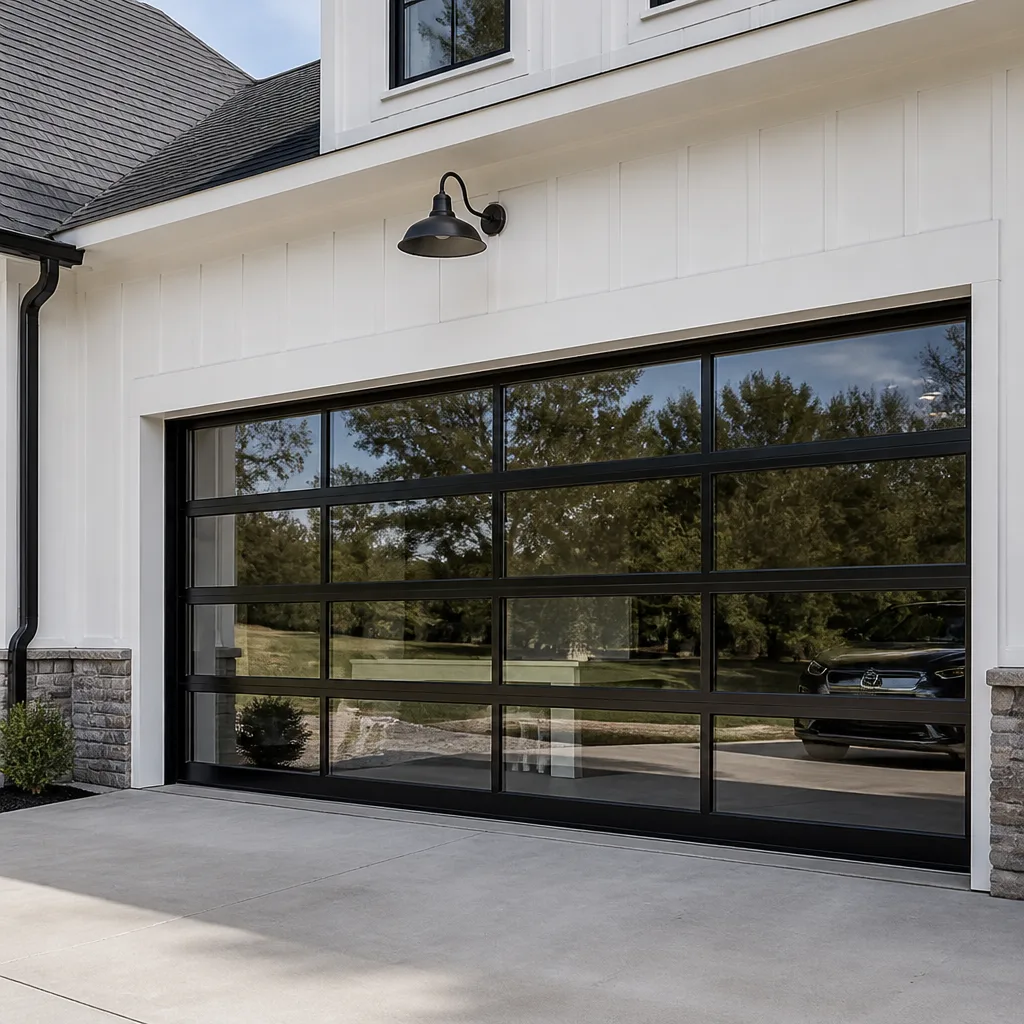 Full-view glass
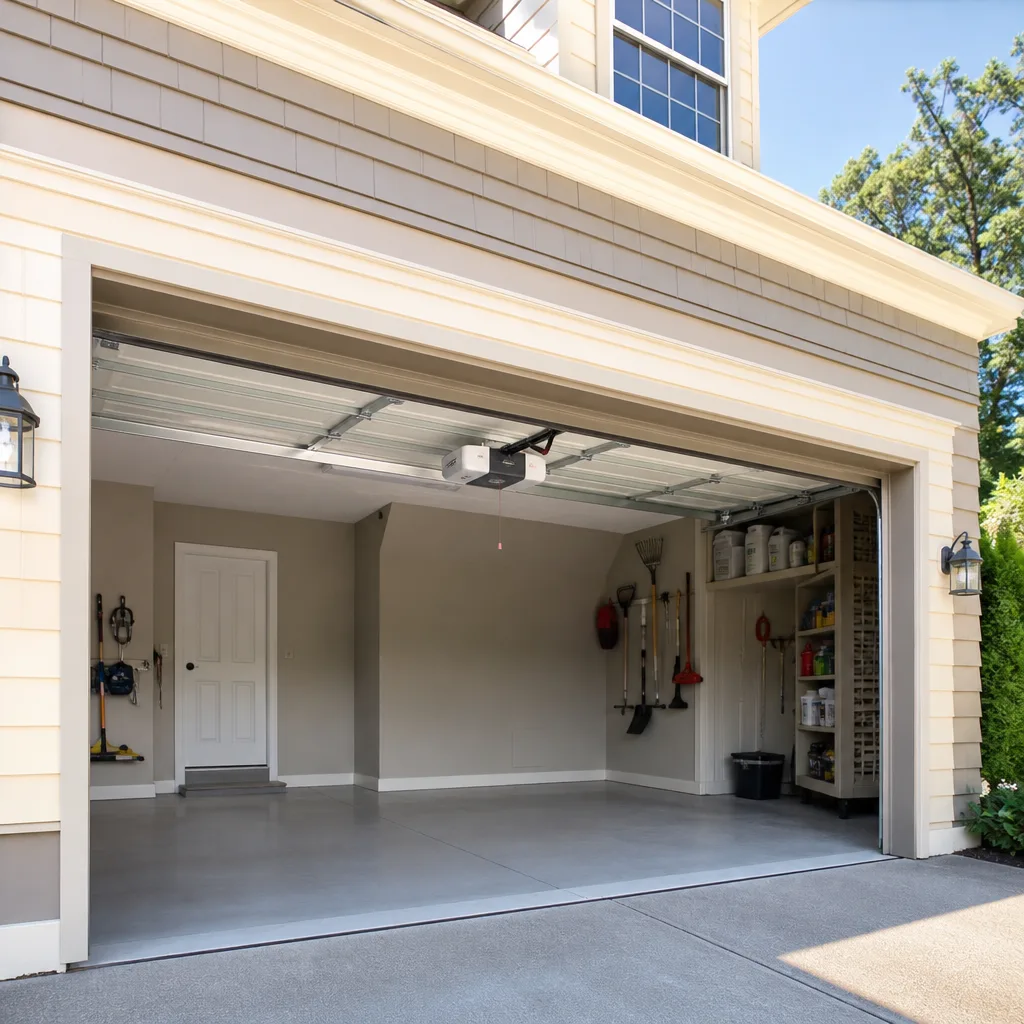 LiftMaster openers
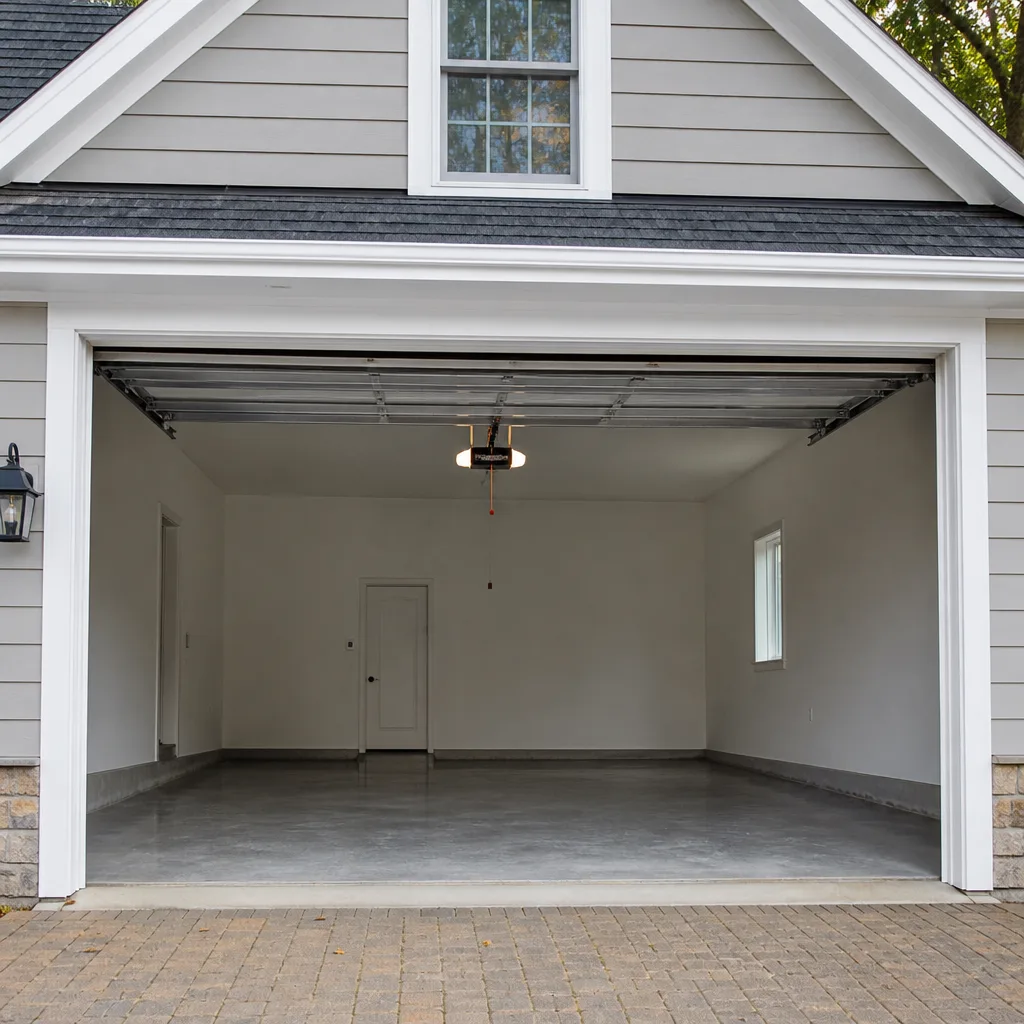 Chamberlain openers
Full 25-point door and opener safety check with every visit - springs, cables, rollers, tracks, and your LiftMaster or Chamberlain opener included
You get a price before we start. It does not change when the truck arrives.
Get your free estimateDIY vs Professional Garage Door: The Pacific Beach Homeowner’s Decision Guide
A garage door looks simple from the driveway. Two tracks, a few panels, a motor that hums when you press the button. But the system holding that door above your car stores enough energy to send a 150-pound panel through drywall, and the spring that does the heavy lifting is wound under tension that can snap bone if released wrong. In Pacific Beach, where salt air eats at metal components faster than the manufacturer’s maintenance schedule assumes, the DIY-versus-professional question gets even more complicated. This guide breaks down exactly which garage door tasks you can safely handle yourself, which ones demand a trained specialist, and what most Pacific Beach homeowners don’t realize they’re risking until it’s too late. For Garage Door Emergency Preparedness Guide for Pacific Beach Homes and more guides & resources, see our blog.
Quick Answer
Most garage door maintenance and cosmetic tasks in Pacific Beach are safe DIY projects, but any repair involving torsion springs, extension springs, cables, or opener motor replacement should go to a professional. In coastal climates like Pacific Beach, DIY maintenance needs to happen twice as often as inland, and the cost of a professional visit is almost always cheaper than the cost of fixing a DIY repair gone wrong.
Styles & brands we work with
- Raised-panel steel
- Carriage house
- Modern flush
- Full-view glass
- LiftMaster openers
- Chamberlain openers
Table of Contents
- The Task-by-Task Breakdown: What’s Yours and What’s Ours
- The Physics of Torsion Springs: Why This Isn’t Like Other Home Repairs
- California Contractor Law and Your Homeowner’s Insurance
- The Real Cost of DIY: Parts, Tools, Time, and the Mistakes You’ll Pay For
- The Coastal Caveat: Why Pacific Beach Maintenance Intervals Differ
- Warranty Voids and Permit Compliance: What Nobody Tells You
- Brand-Specific Repair: Why Knowing the System Matters
The Task-by-Task Breakdown: What’s Yours and What’s Ours
Replacing a bottom seal is DIY. Adjusting torsion spring tension is not. The gap between those two tasks isn’t about difficulty, it’s about stored energy that can cause serious injury if you’re off by a quarter turn. Most homeowners get hurt not because they lack skill, but because they misjudge which category a task falls into. Here’s the honest breakdown from years of working on garage doors in Pacific Beach, Crown Point, and Mission Bay.
Safe DIY Tasks (Requires Basic Tools, Low Risk)
- Replacing the bottom weather seal: The rubber strip on the bottom of your door cracks and shrinks in Pacific Beach sun and salt. A replacement seal costs $25 to $60 at any hardware store, and installation takes about 30 minutes. No special tools required.
- Lubricating rollers, hinges, and tracks: White lithium grease on the hinges and rollers every three months in Pacific Beach keeps salt and moisture from seizing moving parts. Use a spray lubricant designed for garage doors, not WD-40, which strips protective coating.
- Tightening loose hardware: The vibration of open-close cycles loosens bolts and brackets over time. A socket wrench and 15 minutes of inspection every season catches most problems before they become breakdowns.
- Cleaning the photo-eye sensors: The small lenses near the bottom of each track collect dust, salt film, and spider webs in Pacific Beach. Wipe them with a soft cloth. If the door still reverses, the sensors may need realignment, which is also DIY-able with a level.
- Painting or refinishing panels: Cosmetic work on the door face itself. Use exterior paint rated for coastal UV exposure, and avoid painting over hinges or rollers.
Professional-Only Tasks (High Stored Energy, Specialized Tools, or Code Implications)
- Torsion spring repair or replacement: The spring above your door holds the entire weight of the door under tension. One wrong move with a winding bar can send that bar through your hand, face, or chest. This is the number one garage door injury we see in Pacific Beach, and it’s always from someone who watched a YouTube video.
- Extension spring repair or replacement: The older spring style, usually on the sides of the door, stretches under load. If a spring breaks while you’re working on it without a safety cable, it becomes a projectile. Safety cables are required by code but often missing on older Pacific Beach homes.
- Cable replacement or adjustment: Cables work with springs to lift the door. They’re under constant tension, and a frayed cable can snap without warning.
- Opener motor replacement or internal gear repair: The motor assembly contains a capacitor that holds charge even after unplugging, and internal gears require precise alignment. Wrong installation can cause the door to reverse unexpectedly or fail to stop, creating a crushing hazard.
- Any structural track repair or replacement: Bent tracks mean the door can derail and fall. Track work requires proper alignment tolerances you can’t eyeball.
- Panel replacement on torsion spring doors: Removing panels changes the weight the spring is calibrated for, which requires spring tension recalibration afterward.
Here’s the part most homeowners in Pacific Beach don’t realize: the spring is the only component doing the actual lifting. The opener motor just guides the door. When a spring breaks, the opener is trying to lift a dead weight it was never designed to move, and forcing it repeatedly can destroy the opener gears. That’s why a $200 spring replacement becomes a $600 spring-plus-opener job if you keep pressing the remote.
The Physics of Torsion Springs: Why This Isn’t Like Other Home Repairs
Most home repairs reward careful work. A leaky faucet just needs a new washer. A squeaky hinge needs oil. If you’re patient and methodical, you can figure out most things. Torsion springs don’t work that way. The spring above your garage door in Pacific Beach is wound to a specific tension calibrated to the exact weight of your specific door. That tension stores potential energy, and releasing it incorrectly doesn’t just make a mess, it transfers that energy into whatever is in the way.
A standard residential torsion spring on a double garage door winds between 7 and 8 full turns from its unwound state. Each quarter turn adds roughly 10 pounds of lifting force. When the spring is fully wound, it’s holding somewhere between 150 and 250 pounds of torque. The steel winding bars you use to adjust that tension are typically 18 inches long. If the spring slips off the bar while under tension, that bar accelerates from zero to dangerous speed in a fraction of a second. It will take fingers off the hand and break bones before you know what happened.
We’ve seen the aftermath in Pacific Beach enough times to know this isn’t theoretical. A homeowner in North Pacific Beach tried to adjust his spring thinking it just needed “a little more lift.” He was off by half a turn, the bar slipped, and he ended up with a shattered wrist and a door that came off its tracks. The repair he needed afterward cost more than the spring adjustment would have.
There’s a reason garage door springs are the only home component besides gas lines and electrical panels that consistently shows up on official “never DIY” lists from building safety organizations. The skill isn’t in knowing how to do it. The skill is in knowing you shouldn’t.
What makes this category different from gas and electrical is perception. Homeowners respect gas lines. They smell the danger. But a garage door spring looks like a coiled piece of metal sitting quietly above your car. It doesn’t hiss or spark. It just waits.
California Contractor Law and Your Homeowner’s Insurance
Here’s what most DIY guides leave out: in California, if you do unpermitted work on your garage door that later causes property damage or injury, your homeowner’s insurance may deny the claim. Before starting any project, review Garage Door Permits, Codes & Inspections in CA: What You Need to Know. Pacific Beach homes are subject to California state contractor law, which means anyone performing garage door repair for compensation must hold a valid contractor’s license. But even for work you do yourself, the insurance exposure is real.
The current California Building Code (Title 24) treats garage doors as part of the building envelope, and several components require permits when replaced: the door itself in certain fire-rated wall assemblies, any structural modification to the opening, and spring systems on multi-family dwellings. For single-family homes, most spring and cable repairs don’t require permits. But here’s the catch: if a DIY repair fails and the door falls on a person, a vehicle, or causes property damage, the insurance adjuster will investigate who did the work.
In Pacific Beach specifically, where many homes are older and were built before current code standards, we regularly see doors that were installed without the safety systems required today: no photo-eye sensors, no safety cables on extension springs, no auto-reverse on the opener. When a homeowner does DIY repairs on these older systems without bringing them up to current code, the liability compounds. The insurance company’s position is straightforward: unpermitted, non-code-compliant work that causes damage is grounds for denial or reduced coverage.
This isn’t about scaring homeowners into hiring a professional. It’s about understanding the legal layer most DIY guides never mention. A spring replacement done by a licensed professional creates a paper trail. A spring replacement done by a homeowner creates an exposure.
In our experience in Pacific Beach, the insurance question comes up most often with condo and townhouse owners whose HOAs require licensed contractors for any work on shared structures. If your garage door faces a shared driveway or is attached to a multi-unit building, the HOA’s requirements may override your DIY freedom entirely.
The Real Cost of DIY: Parts, Tools, Time, and the Mistakes You’ll Pay For
The argument for DIY garage door repair usually starts with sticker shock on a service call. You see a spring listed online for $60 and wonder why a professional charges $250 to $400. That markup isn’t greed. It’s the difference between buying a part and buying a repair.
Here’s the cost breakdown a Pacific Beach homeowner faces on a typical torsion spring replacement as a DIY project:
- The spring itself: $60 to $120 retail, depending on door weight and spring size. But here’s the problem: getting the wrong spring size is the most common DIY mistake. Springs are rated by wire size, inner diameter, length, and wind direction. Guess wrong, and your door either won’t lift or slams down.
- Winding bars: $20 to $40 for a proper set. Using screwdrivers or pipe instead is how injuries happen.
- Additional tools: Socket set, vise grips, and possibly a ladder rated for your weight. Most homeowners already have these, but if you don’t, add $100 to $200.
- Time: A professional does this job in 45 to 90 minutes. A first-time DIYer typically needs 4 to 8 hours, and that assumes nothing goes wrong. Your time has value.
- The mistake tax: If you wind the spring wrong, strip the set screws, or damage the cable drum, the professional who comes to fix it is now dealing with a door that’s in worse shape than before you started. That cleanup typically costs more than the original repair would have.
In Pacific Beach specifically, parts sourcing adds another wrinkle. The nearest big-box hardware store is a 15-minute drive inland, and their spring selection is limited to generic sizes. Pacific Beach homes include a wide range of door ages and styles, from beach cottages with single-piece tilt doors to newer construction with insulated Clopay and Amarr panels on torsion spring systems. The generic spring on the shelf rarely matches what’s actually installed on your door.
We’re not saying DIY is never worth it. The bottom seal replacement, the lubrication, the sensor cleaning, those are genuinely smart DIY projects that save money. But when you’re looking at a spring or cable repair, the math changes. The professional isn’t just bringing the part, they’re bringing the exact right part, the tools, the knowledge of what can go wrong, and the insurance if it does.
The Coastal Caveat: Why Pacific Beach Maintenance Intervals Differ
Manufacturer maintenance guides are written for an average American climate. Pacific Beach is not average. The salt air that makes the ocean front so desirable is the same salt air that attacks your garage door hardware year-round. And the temperature swings between cool marine mornings and warm afternoon sun create condensation cycles that inland homes never experience.
Here’s what that means in practice:
- Spring life is shorter: A torsion spring rated for 10,000 cycles (about 7 to 9 years in typical use) may fail in 5 to 6 years in Pacific Beach if the door is within a few blocks of the water. The salt air causes micro-pitting on the spring surface, which becomes a fracture point under load. This isn’t a gradual weakening you can see, it’s a sudden snap when the metal finally fatigues.
- Rollers seize more frequently: The ball bearings inside steel rollers corrode in salt air. When a roller seizes, it stops rolling and starts sliding, which wears a flat spot and makes the door operate roughly. Nylon rollers resist this better, but most stock Pacific Beach doors come with steel rollers. Lubrication every 2 to 3 months, not every 6, keeps them moving.
- Hardware rust accelerates: Hinges, brackets, and tracks on Pacific Beach garage doors develop surface rust within 2 to 3 years of installation, especially on the sides facing the prevailing ocean breeze. Surface rust isn’t structural, but rust on bolts means seized bolts, which make future repairs harder and more expensive.
- Weather seals degrade faster: The combination of UV exposure and salt film breaks down the rubber and vinyl seals at the bottom and sides of the door. A seal that would last 3 to 4 years inland typically lasts 18 to 24 months in Pacific Beach.
- Opener circuit boards corrode: The logic board inside your opener motor is vulnerable to the same salt air, especially if your garage is not climate-controlled. Chamberlain, LiftMaster, and Genie openers all show corrosion failures faster in coastal environments.
The adjustment for Pacific Beach homeowners is simple: cut the manufacturer’s maintenance interval in half. If the door manufacturer says lubricate every 6 months, do it every 3. If springs typically last 10,000 cycles, plan for replacement at 7,000. The cost of more frequent maintenance is small. The cost of a spring snapping while your car is halfway out of the garage is not.
This coastal reality also affects the DIY-versus-professional calculation. The maintenance tasks that keep a Pacific Beach garage door working are the DIY-safe tasks. More frequent lubrication, more frequent seal replacement, more frequent hardware inspection. If you do those consistently, you’ll catch the problems that need a professional before they become emergencies. The homeowners we see in Pacific Beach who avoid expensive repairs are the ones who lubricate their rollers quarterly and call us when they hear a change in the door’s sound, not the ones who wait for a breakdown.
Warranty Voids and Permit Compliance: What Nobody Tells You
Most garage door and opener manufacturers include a clause in their warranty documents that voids coverage if the product is installed or serviced by someone other than a licensed professional. This is especially true for spring replacements, which most manufacturers classify as a professional-service item. If you replace the spring on your Amarr door yourself and the door later fails, Amarr will likely deny the warranty claim even if the failure was unrelated to the spring.
For openers, the picture is similar. LiftMaster, Chamberlain, and Genie all have warranty language that covers parts and labor only when service is performed by an authorized dealer or licensed professional. Replacing the opener motor or logic board yourself voids the warranty on the opener, and in many cases on the connected accessories like keypads and safety sensors.
Pacific Beach homeowners with newer homes or recently replaced doors are the ones most affected, because their warranties are still active. An older door with an expired warranty doesn’t have this concern, but it has a different one: code compliance. If your Pacific Beach home was built before 1993, your garage door likely lacks the safety features required by current California code. Auto-reverse systems, photo-eye sensors, and safety cables on extension springs all became mandatory at different points over the last 30 years.
Here’s the code issue most homeowners miss: if you replace a component on a non-compliant door, you may be required to bring the entire door up to current code. In practice, this means that replacing an opener on an older Pacific Beach home typically requires installing photo-eye sensors and verifying the auto-reverse function. A professional knows this and includes it. A DIYer installs the opener, skips the sensors because “the old door didn’t have them,” and now has a door that doesn’t meet code and won’t pass an inspection when the home is sold or refinanced.
This is another hidden cost of DIY that never shows up in the parts-versus-labor comparison: the deferred cost of code compliance. It may not matter today. It will matter when you sell the home.
Brand-Specific Repair: Why Knowing the System Matters
Not all garage doors are the same machine, and treating them as interchangeable is where DIY repairs go sideways. A torsion spring system on a Wayne Dalton door uses a different spring mounting and winding system than a Clopay door. A Craftsman opener uses different logic board protocols than a Chamberlain, even though the same parent company manufactures both. The trick is knowing which parts interchange and which don’t.
In Pacific Beach, where homes range from 1950s beach cottages to 2020s custom builds, we see the full spectrum of brands and vintages. A DIYer working from a generic YouTube video will often start a repair on one door type using instructions meant for another, and the mismatch becomes obvious only after something is broken.
We work on doors and openers from eight major brands, including Amarr, Clopay, and Wayne Dalton systems. That matters for one practical reason: brand-specific diagnostic knowledge translates into faster, more accurate repairs. When we arrive at a Pacific Beach home and see a Clopay door with a specific spring configuration, we know what’s normal for that model and what indicates a problem. A generalist handyman sees a garage door. A specialist sees a Clopay with torsion springs that are starting to fatigue, a Wayne Dalton TorqueMaster system that needs a specific winding tool, or a Craftsman opener with a gear issue common to that specific model year.
For the DIY decision, brand compatibility raises the stakes on parts sourcing. Ordering a spring online means specifying the door manufacturer, door weight, spring wire size, and winding direction. Get any of those wrong, and you’ve installed a spring that will either fail prematurely or create a door imbalance that damages the opener. Our Garage Door Repair in Pacific Beach service exists for exactly this reason: making sure the right part goes on the right door the first time.
The Step-by-Step: What We Actually Do on a Professional Repair
If you’ve never watched a professional garage door repair, the process may seem mysterious. Here’s what a typical spring replacement or cable repair looks like, step by step, so you can see what you’re paying for beyond the part.
- 1
Diagnosis and measurement: We identify the exact spring size, door weight, and configuration. This means measuring wire diameter with a caliper, not eyeballing. A spring that’s off by one wire size creates a door that’s either too heavy to lift or too light to stay closed.
- 2
Safety setup: The door is secured in the open or closed position with locking pliers on the tracks, the opener is unplugged, and the area is cleared. Professional repairs always start with the assumption that the door could move unexpectedly.
- 3
Tension release (if replacing an existing spring): The old spring is unwound using the proper-size winding bars, one quarter-turn at a time, staying out of the bar’s path. This is the step where DIY injuries happen. It’s done slowly, with full attention.
- 4
Spring removal and replacement: The old spring is removed from the torsion tube, and the new spring is installed in the correct orientation. Left-wound and right-wound springs are not interchangeable.
- 5
Winding to tension: The new spring is wound to the manufacturer-specified number of turns for the specific door weight. This is the precision step. Under-wound means a heavy door that strains the opener. Over-wound means a door that wants to fly open and will not stay closed.
- 6
Balance testing: The door is lifted manually through its full travel. A properly balanced door stays in place at the halfway point without help. If it drifts up or down, tension is adjusted in quarter-turn increments until balance is correct.
- 7
Opener recalibration: The opener’s force settings and travel limits are retested and adjusted to work with the new spring tension. This is critical: an opener calibrated for a worn spring will fight a new one, and the result is premature opener failure.
- 8
Full-cycle testing: The door is cycled open and closed at least three times, and every component is checked: rollers, hinges, cables, and the safety reverse system.
This process takes 45 to 90 minutes in experienced hands. The same process as a first-time DIY project typically takes a full day and involves at least one moment where the homeowner realizes they’re in over their head. We’ve answered the follow-up call many times in Pacific Beach, Crown Point, and La Jolla. The conversation usually starts with “I tried to do it myself and now the door won’t close.”
Evaluating the Risk Honestly: A Framework for Deciding
The DIY-versus-professional decision doesn’t have to be complicated. Here’s the framework we recommend to Pacific Beach homeowners, and it applies to any home repair, not just garage doors.
Ask Three Questions Before Starting Any Garage Door Task
- Is there stored energy involved? If the component is under tension (springs, cables) or stores electrical charge (opener capacitors), the answer is yes, and the task is professional-only. Tension and charge don’t care about your confidence level. They release when they release, and they don’t aim.
- What happens if I get it wrong? If the failure mode is “the seal leaks and I notice it next week,” that’s DIY-safe. If the failure mode is “the door falls on my car or my child,” that’s professional-only. Most garage door components fall into one of these two categories, with very little in between.
- Can I see the whole problem? If you can see everything that needs fixing, you can probably fix it. If the problem is inside a spring, a motor housing, or a cable drum, you’re guessing. Guessing on a garage door is how small problems become big ones.
These three questions cover 95% of garage door repair decisions. The other 5% are edge cases where you know enough to know you should call someone. That’s not defeat. That’s the correct application of judgment.
See the difference
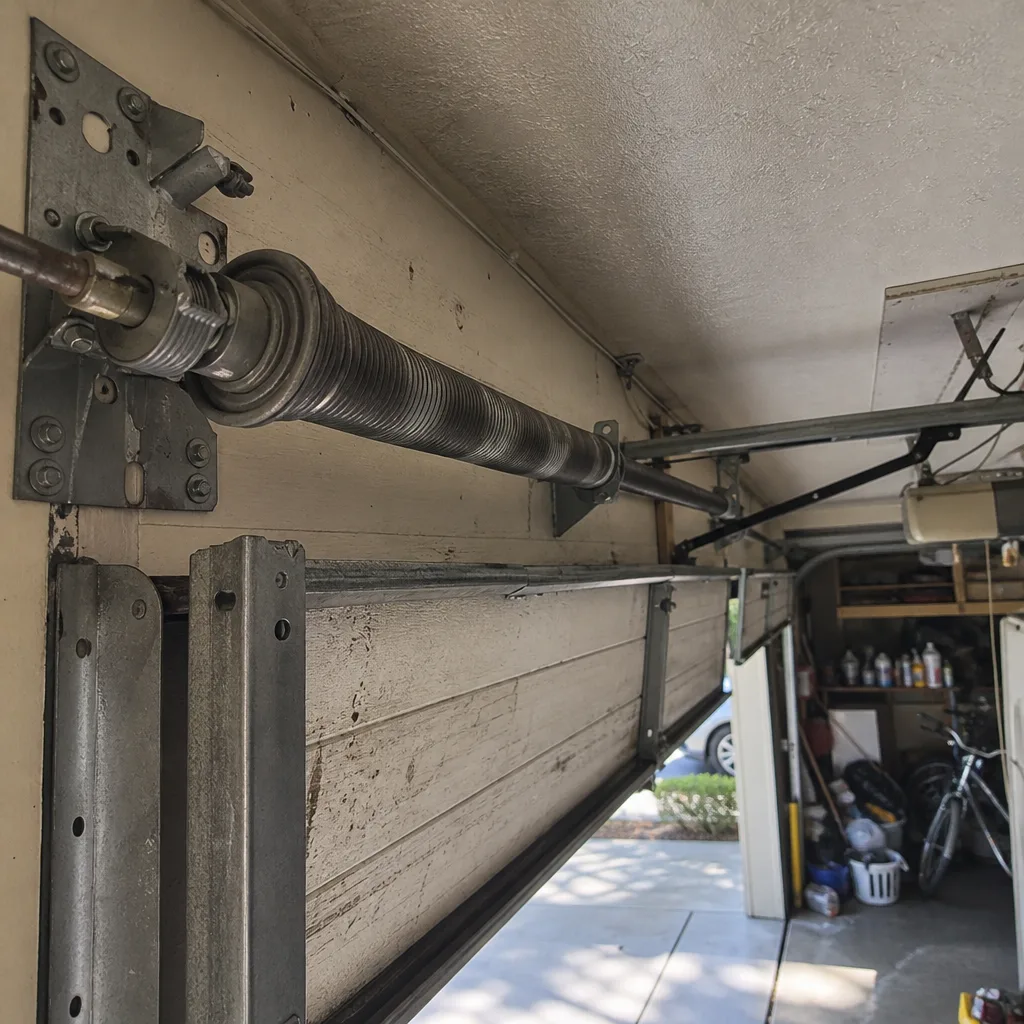 Before
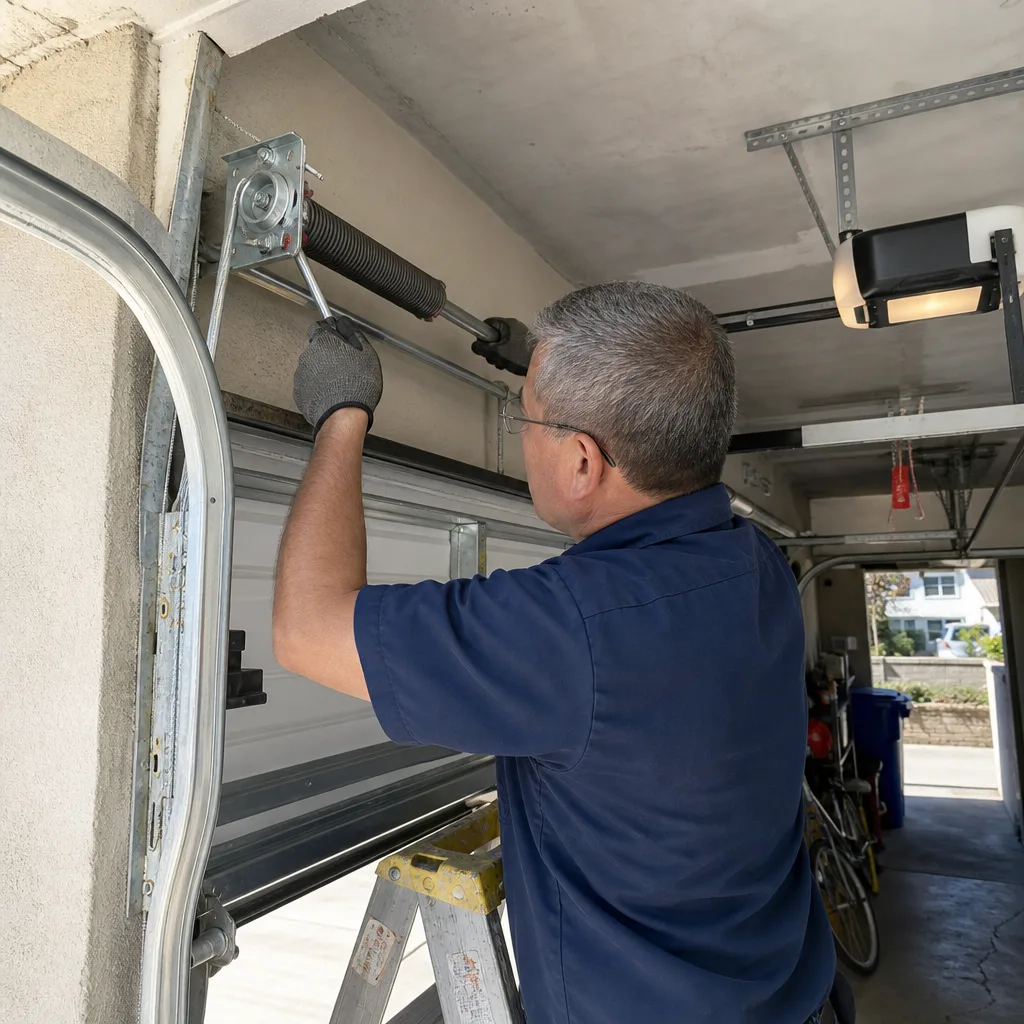 After
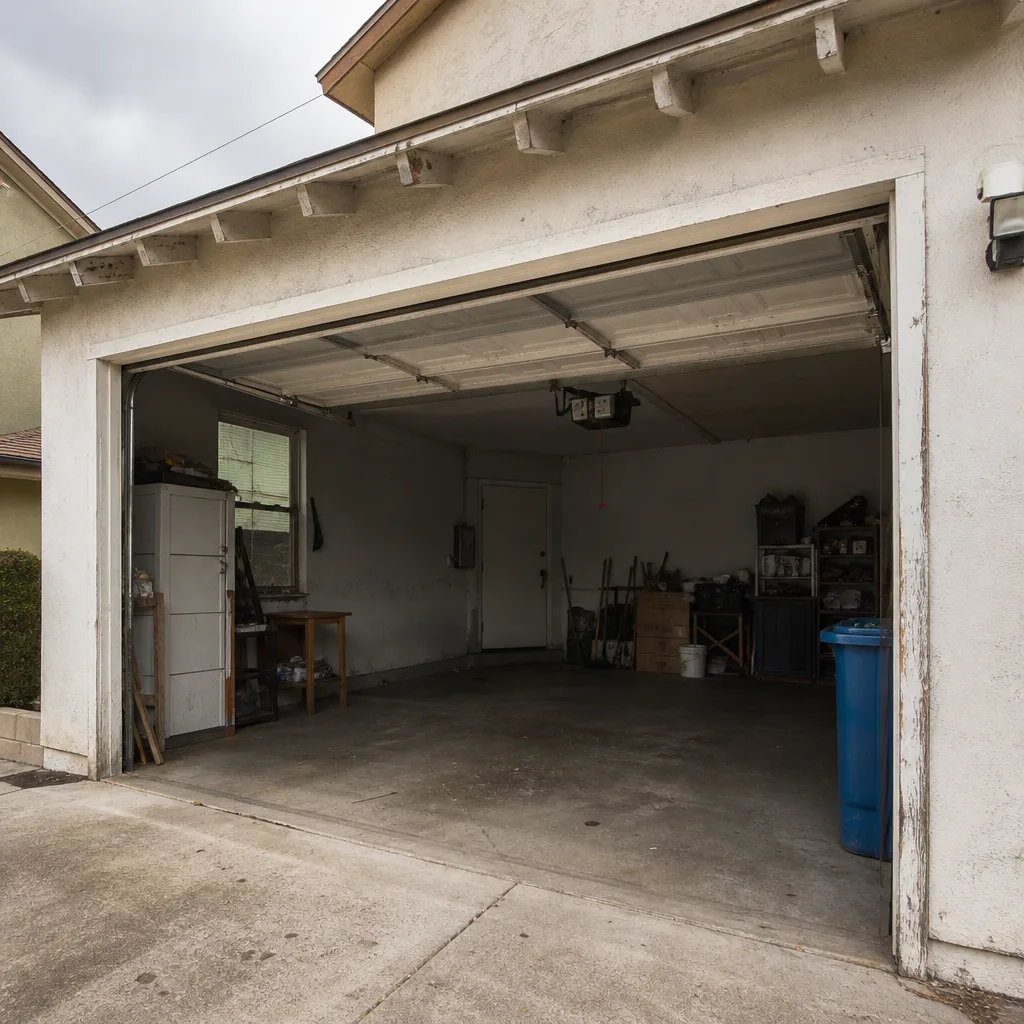 Before
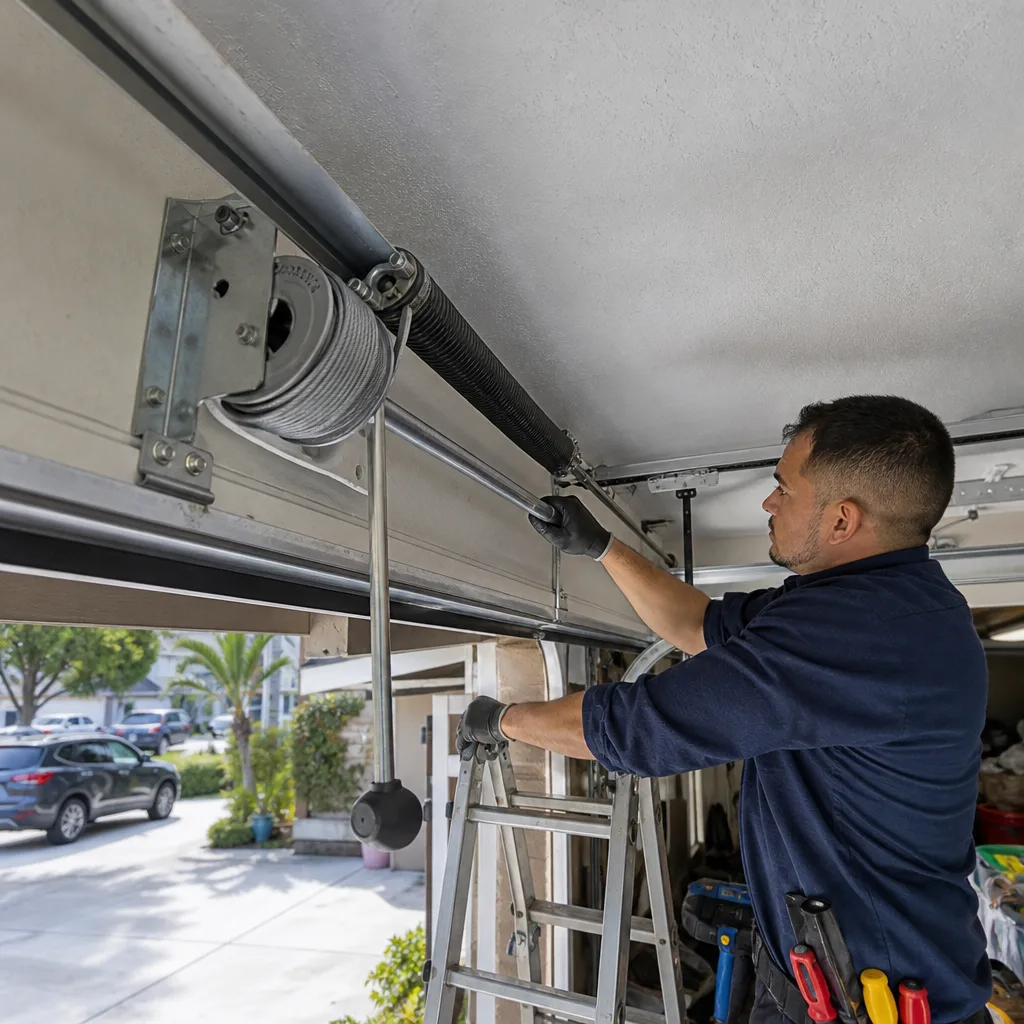 After
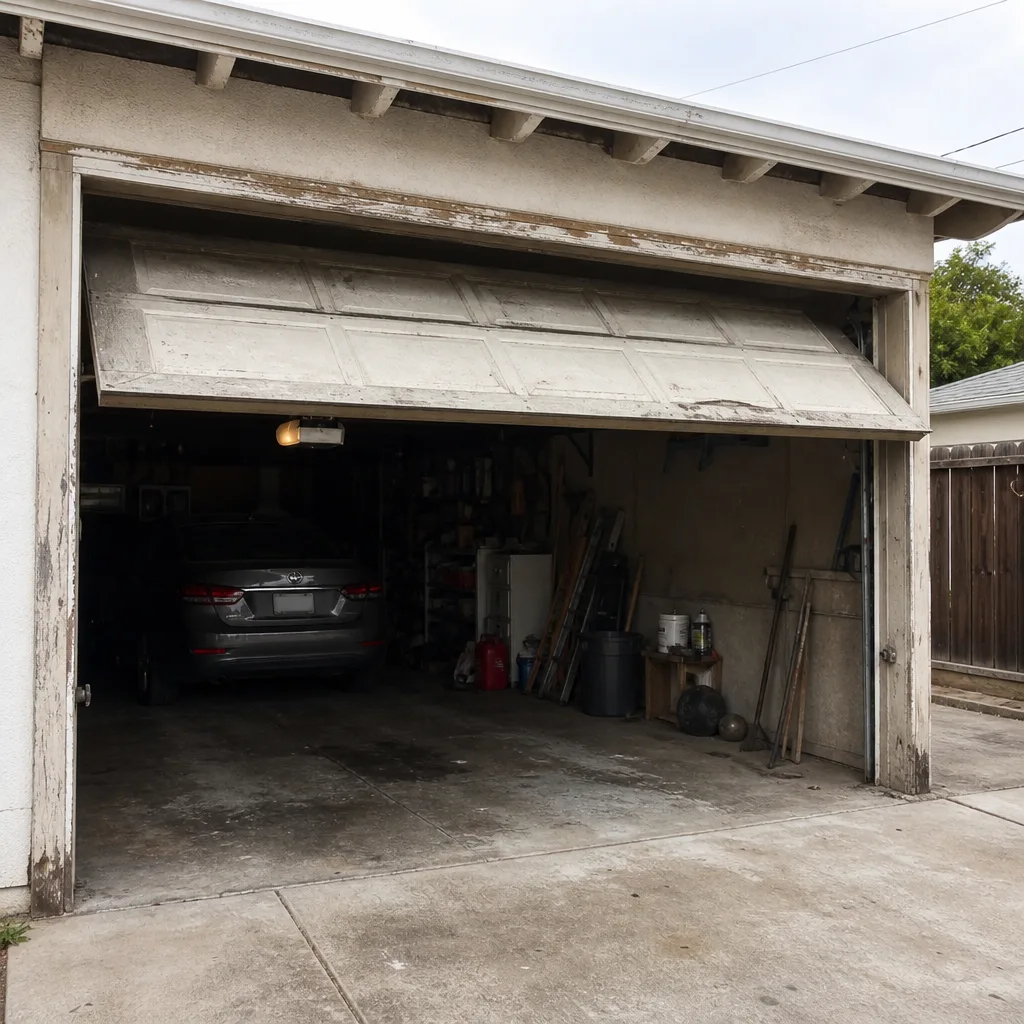 Before
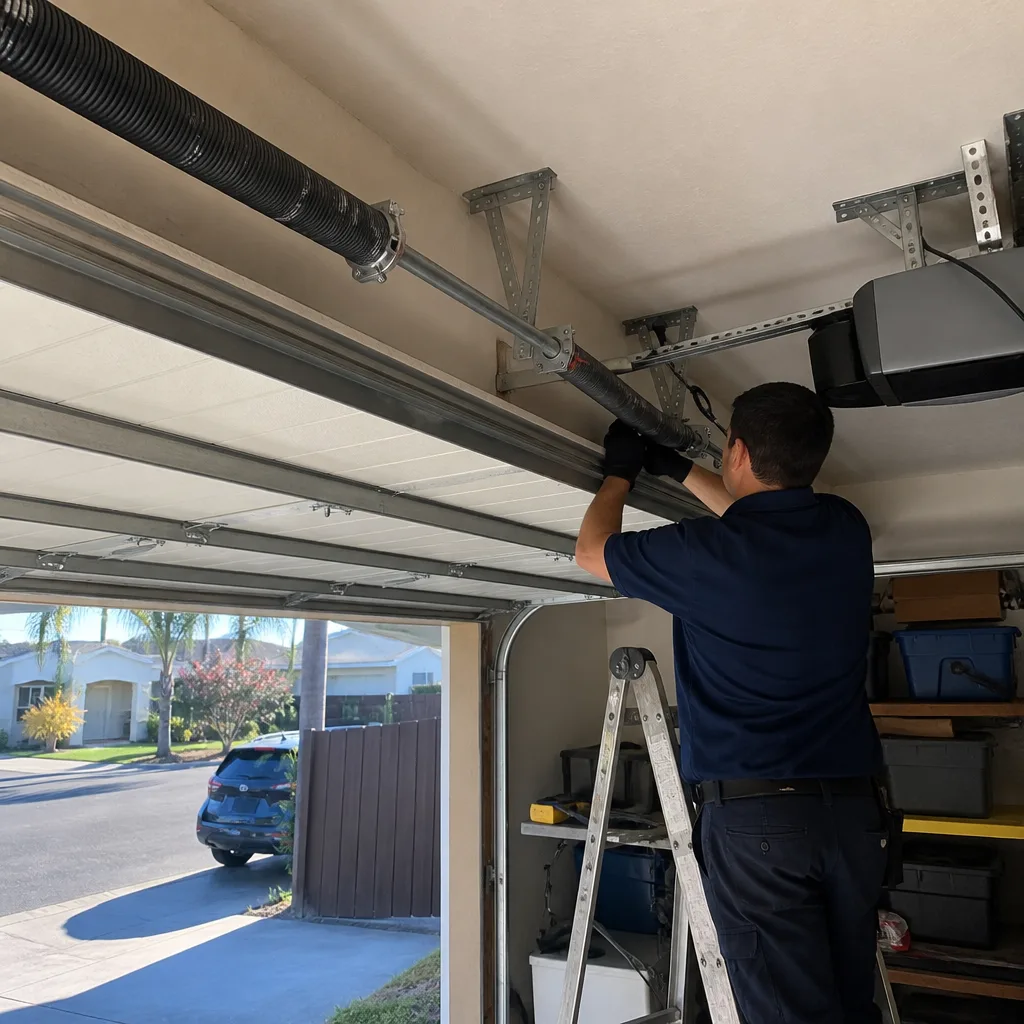 After
Common Mistakes to Avoid
- Using screwdrivers as winding bars: A screwdriver in a torsion spring cone is a broken finger waiting to happen. Proper winding bars cost $30. If you’re not willing to buy the right tool, you’re not ready for the task.
- Replacing only one spring on a two-spring door: Torsion springs wear together and fail together. Replacing one leaves you with an unbalanced door and a second spring that’s about to fail anyway. Always replace springs in pairs.
- Lubricating the wrong parts: Garage door lubricant goes on hinges, rollers, and bearings. It does not go on tracks. Oiling the tracks causes the rollers to slip and the door to operate roughly, and it attracts Pacific Beach salt and sand that accelerates wear.
- Disconnecting the opener and letting the door drop: If the door falls when disconnected from the opener, it means the spring has failed or lost tension. Continuing to open and close it manually just compounds the damage to rollers, hinges, and panels.
- Adjusting spring tension to fix a door that’s already balanced: A door that’s suddenly noisy or jerky usually has a roller or hinge problem, not a spring problem. Adding tension to a properly balanced spring creates an over-wound door that will not stay closed and wears the opener faster.
- Ignoring warning signs because the door still works: A door that’s slower than usual, makes a grinding noise, or shudders on the way up is telling you something. Pacific Beach homeowners who call at the first sign of trouble typically pay for a simple repair. Those who wait pay for a breakdown, and breakdowns are always more expensive.
When to Call a Professional
Call a professional if the spring is broken or showing gaps in the coil, if the cables are frayed or off the drum, if the door is off its tracks, if the opener motor runs but the door doesn’t move, or if the door falls or slams shut when disconnected from the opener. Call a professional if the door has been acting unusual for more than a week, because garage door problems don’t self-correct. Call a professional if you’re a Pacific Beach homeowner within three blocks of the water and notice surface rust on your springs or cables, because coastal corrosion has already started and the clock is ticking. Bison Garage Door Repair offers free estimates in Pacific Beach. Call (866) 282-5711.
Frequently Asked Questions
Spring replacement in Pacific Beach typically runs between $250 and $450 for a two-spring system, cable replacement between $150 and $250, and opener repair between $150 and $350 depending on the component. The price is quoted and agreed before any work starts, so there are no surprises on the invoice.
You can, but you shouldn’t. Torsion springs store enough energy to cause serious injury, and extension springs become projectiles without proper safety cables. This is the one garage door task that consistently appears on professional-safety “never DIY” lists for a reason.
Every 2 to 3 months in Pacific Beach, which is twice as often as the manufacturer’s recommendation for inland climates. Salt air accelerates corrosion on steel rollers, hinges, and springs, and consistent lubrication is the cheapest prevention available.
It depends on the damage and your policy terms, but unpermitted repairs that cause injury or property damage are common grounds for insurance denial in California. Professional repairs create documentation that protects you if something later goes wrong.
Broken torsion springs from salt-air corrosion, followed by seized rollers. Both are professional repairs, and both are preventable with the maintenance schedule we recommend. If you’re hearing a creaking or see rust forming, call us at (866) 282-5711 for an estimate before it becomes a breakdown.
Most single-family homes don’t need a permit for opener replacement alone, but the installation must meet current California safety code, including photo-eye sensors and auto-reverse function. Condos, townhouses, and homes in historic districts may have additional HOA or municipal requirements. Our Garage Door Installation in Pacific Beach service handles code compliance as standard practice.
The Bottom Line
The garage door is the heaviest moving object in your Pacific Beach home, and it’s the only one whose primary lifting component stores its energy in a wound spring rather than an electric motor. That distinction is the entire DIY-versus-professional question in one sentence. The maintenance tasks that keep the door running smoothly are safe, simple, and worth doing yourself. The repair tasks that keep the door from falling on your car are not. In Pacific Beach, the salt air compresses every maintenance interval, which means the homeowners who stay ahead of their garage door are the ones who never face this decision in an emergency. Regardless of whether your door is a Wayne Dalton installed last year or a Craftsman from the 1990s, the same principle applies: if it’s under tension, it’s not a DIY project. If it’s a seal, a roller, or a sensor, get your tools out. For more maintenance tips, check out our more guides & resources.
If you’re in Pacific Beach and the garage door is grinding, sagging, or refusing to cooperate, our Garage Door Opener Repair in Pacific Beach specialists can assess the problem and give you a straight answer, no pressure. Visit our Bison Garage Door Repair home page for more information on our full service coverage.
Written by the team at Bison Garage Door Repair, serving Pacific Beach since 2016.