
Last updated November 2, 2026
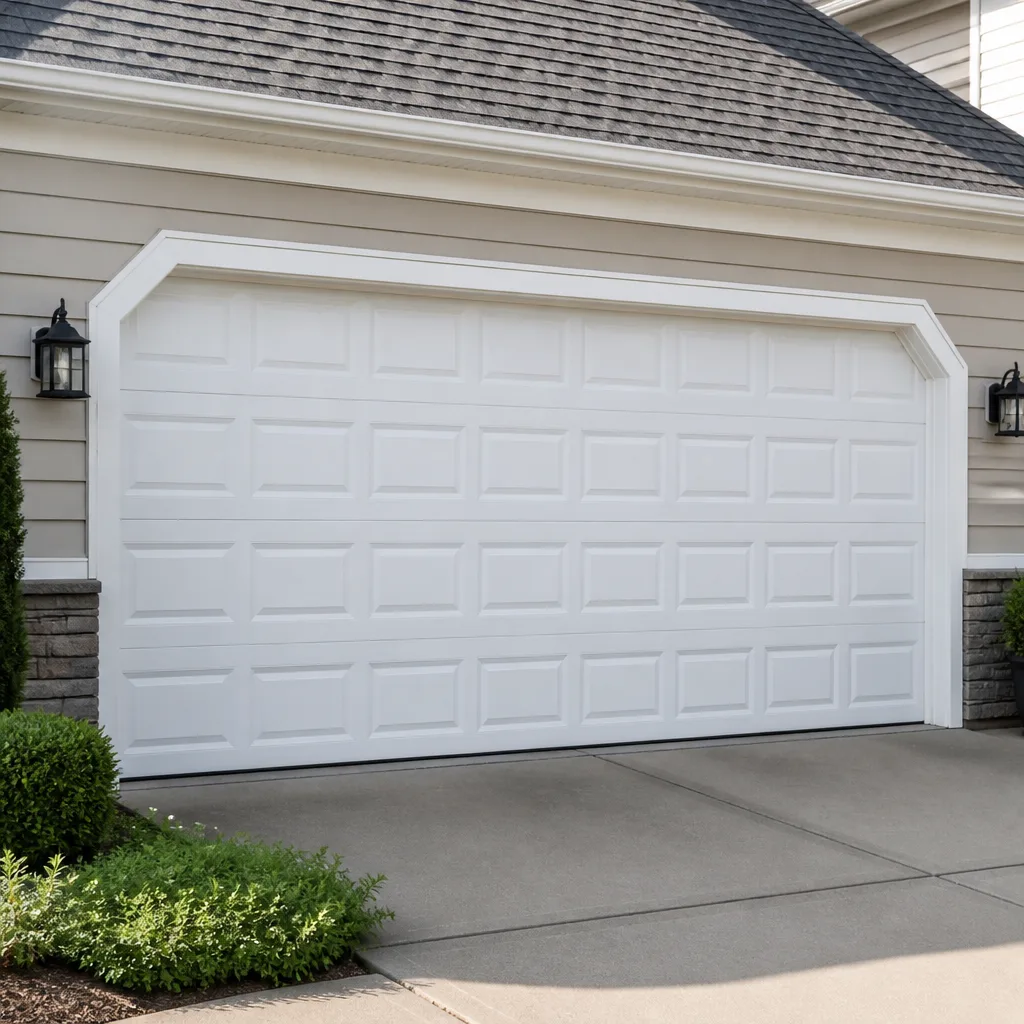 Raised-panel steel
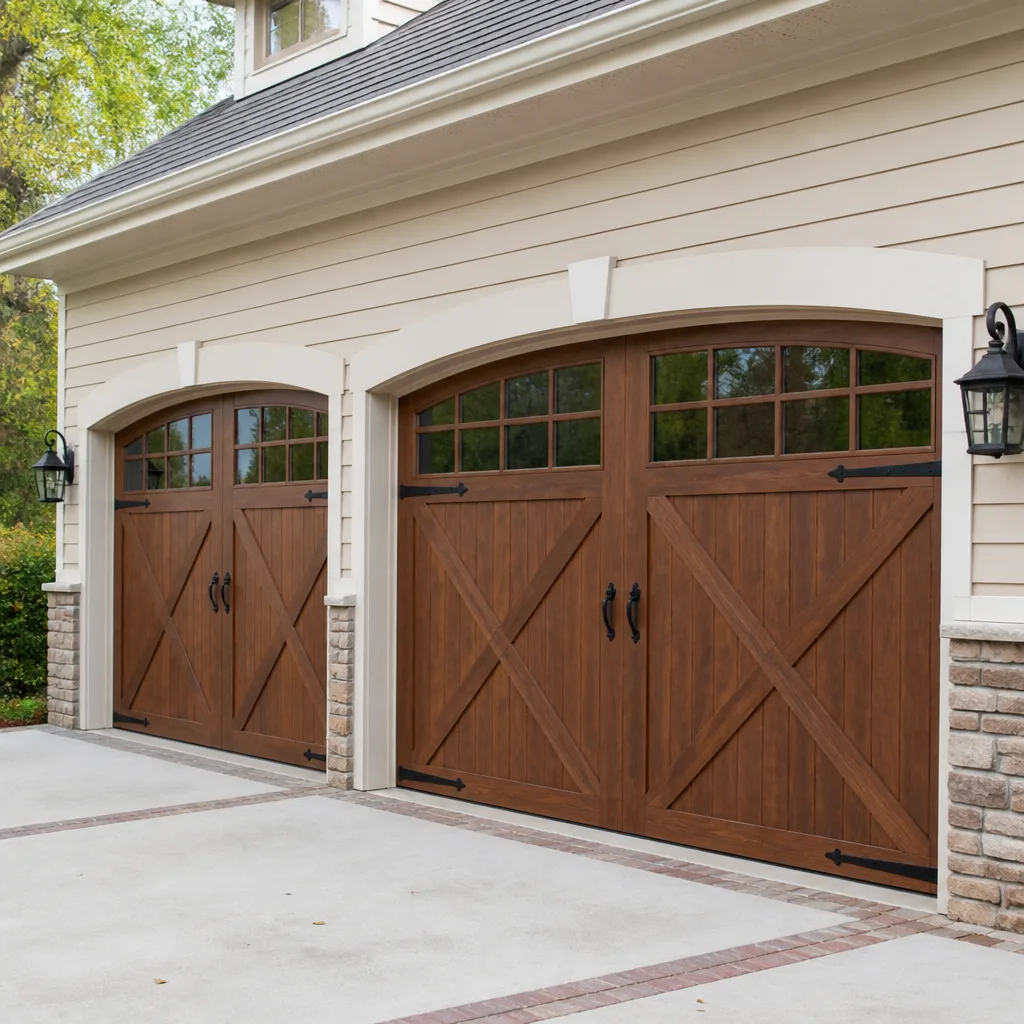 Carriage house
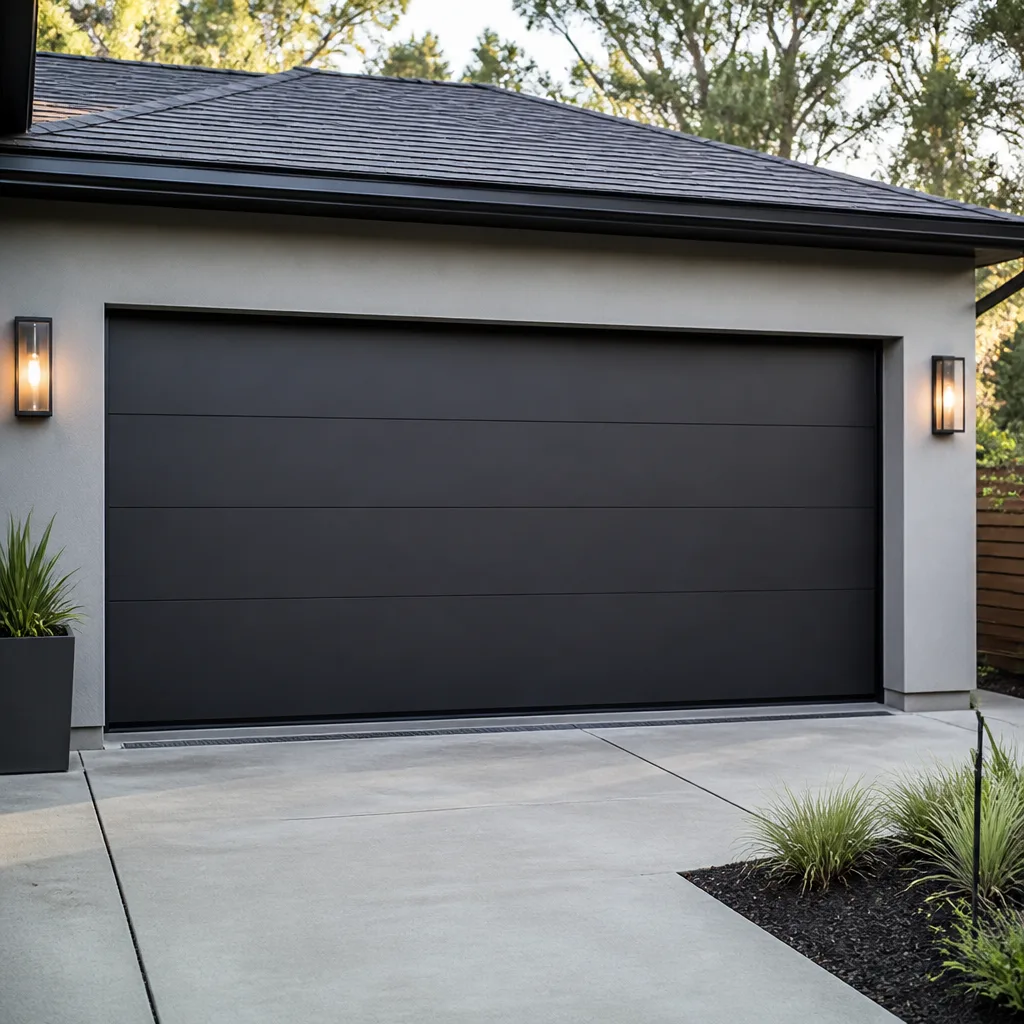 Modern flush
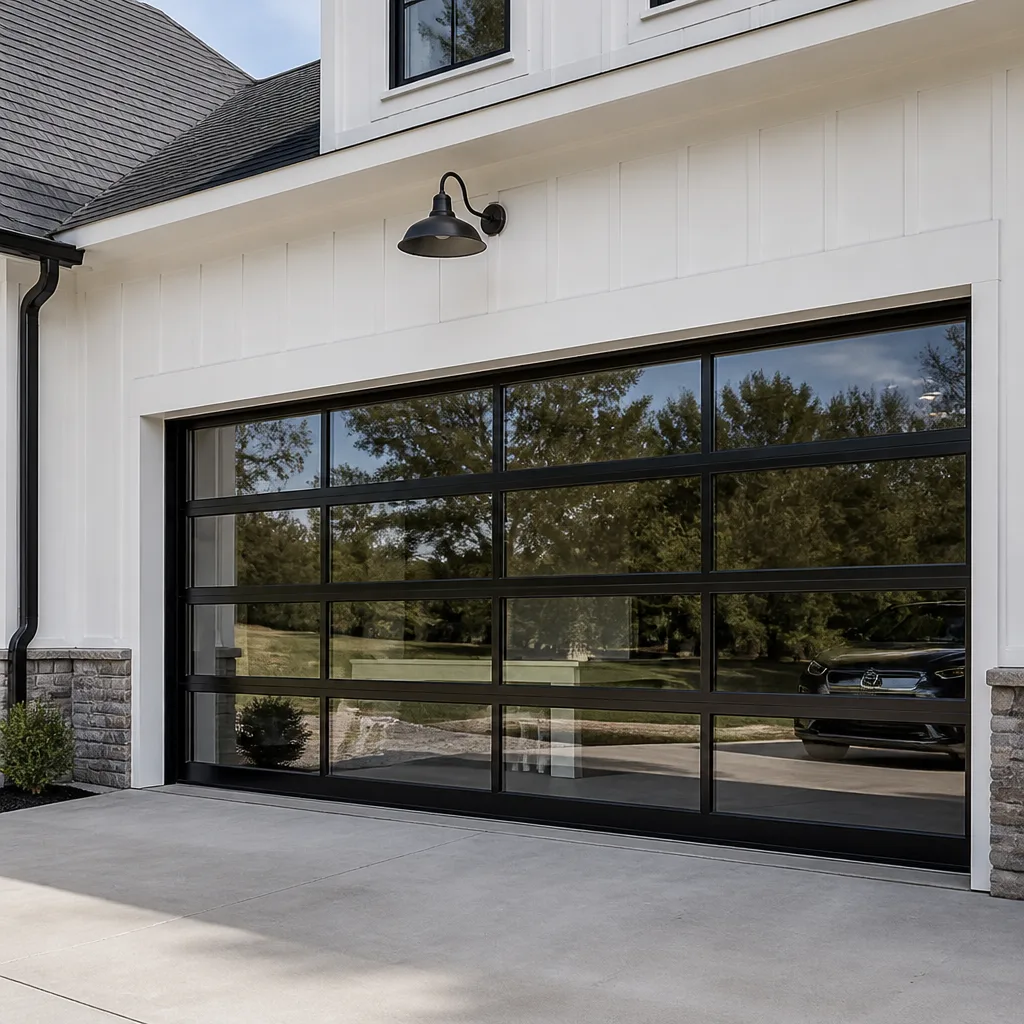 Full-view glass
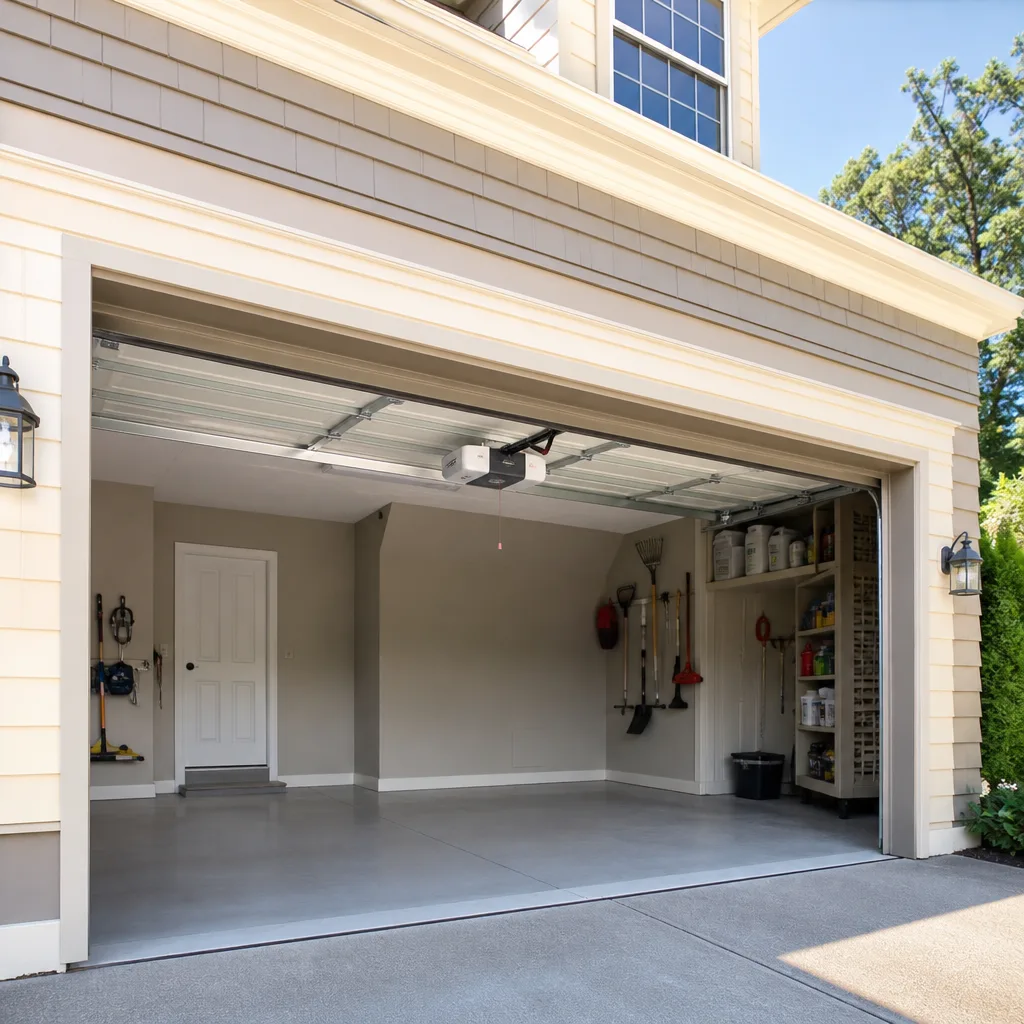 LiftMaster openers
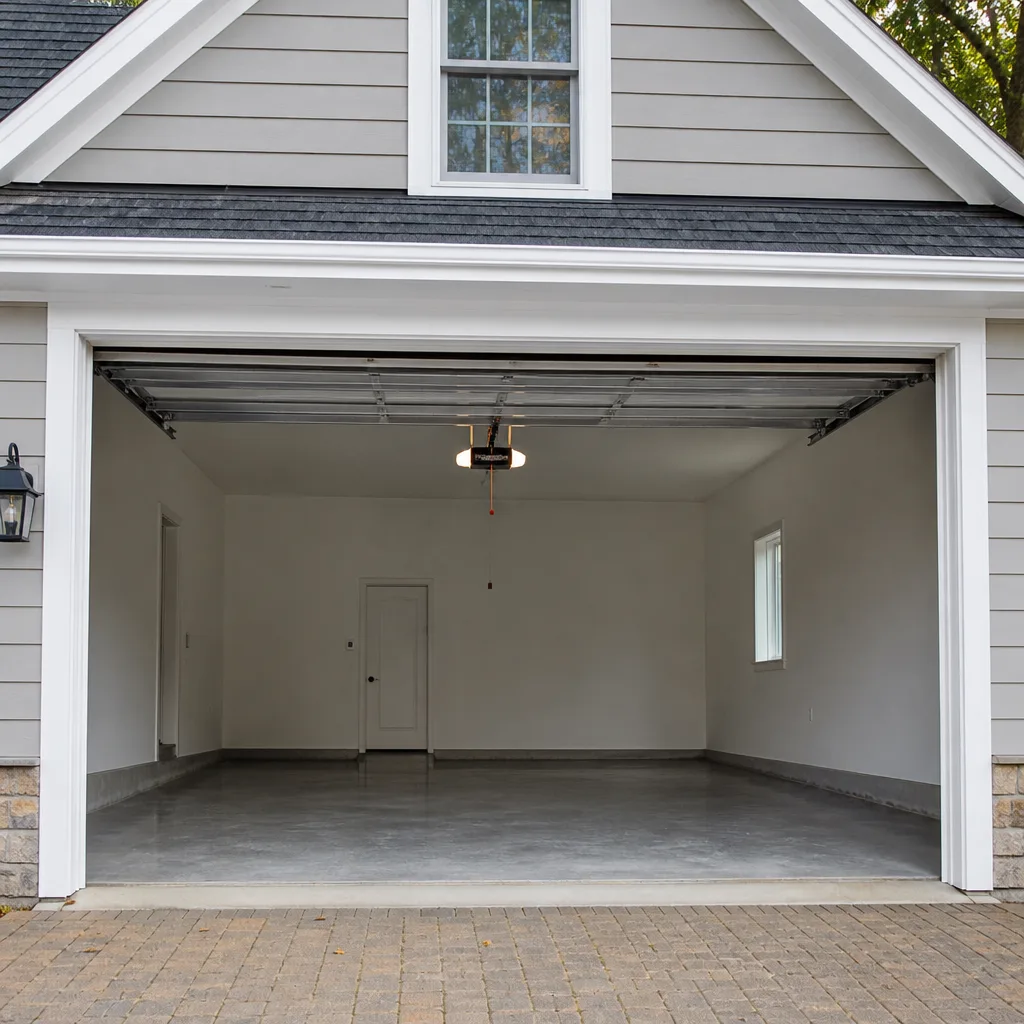 Chamberlain openers
Full 25-point door and opener safety check with every visit - springs, cables, rollers, tracks, and your LiftMaster or Chamberlain opener included
You get a price before we start. It does not change when the truck arrives.
Get your free estimateGarage Door Emergency Preparedness Guide for Pacific Beach Homes
Most homeowners in Pacific Beach discover their manual release cord is tangled, their emergency key hasn’t been tested since the Obama administration, and their garage door opener behaves differently than the manual claims – all at the exact moment they need all three to work. A garage door emergency doesn’t schedule itself. It hits at 10pm on a Tuesday when the spring snaps mid-cycle, or on a Sunday afternoon when the power flickers out and the door sits stubbornly shut with your car trapped inside. This guide walks through the scenarios we’ve seen repeatedly in Pacific Beach garages – from Mission Boulevard condos with salt-air rusted hardware to canyon-adjacent homes with heavy wooden doors – and tells you exactly what to do, what not to do, and how to prepare before the next emergency finds you. For Garage Door Repair Troubleshooting: Common Problems and How to Fix Them, see our dedicated guide. We’re Bison Garage Door Repair, and we’ve fixed every type of garage door failure you’re about to read about.
Quick Answer
A garage door emergency in Pacific Beach comes down to three scenarios: a broken spring or cable that renders the door inoperable and potentially dangerous, an opener failure that won’t move the door even though the mechanical components are fine, or a storm/power situation that leaves you locked out or unable to secure your home. The single most important preparation step is testing your manual release twice a year – most emergency calls we get involve a door that would have opened manually if only the homeowner knew how to disengage the opener properly. For a spring break, do not attempt to open the door – call a professional immediately at (866) 282-5711.
Styles & brands we work with
- Raised-panel steel
- Carriage house
- Modern flush
- Full-view glass
- LiftMaster openers
- Chamberlain openers
Table of Contents
- How to Manually Open Your Garage Door During a Power Outage
- What to Do When a Spring Breaks Mid-Cycle
- Storm Preparedness for Pacific Beach Garage Doors
- How to Secure an Inoperable Garage Door Temporarily
- What to Have Ready When You Call for Emergency Service
- Preventative Steps That Eliminate Most Emergencies
- Common Mistakes to Avoid
- When to Call a Professional
- Frequently Asked Questions
How to Manually Open Your Garage Door During a Power Outage
Pacific Beach homes face a specific power-outage profile. Summer rolling blackouts during heat waves, winter storm gusts that snap tree limbs onto lines, and the occasional underground transformer failure near the coast all knock out electricity for hours at a stretch. When the power goes out, your opener will not function – but the door itself is not broken. The solution is the manual release, also called the emergency release cord, and knowing how to use it correctly is the difference between getting your car out and being stranded.
The manual release is a red cord or handle hanging from a rope attached to a trolley mechanism on the opener’s rail. When you pull it, you disengage the door from the opener’s drive system, allowing the door to slide freely on its tracks. Here’s the procedure, step by step, for the opener brands most common in Pacific Beach:
- Confirm the door is completely closed. If the door is partially open when the power fails, disengaging the opener can cause the door to slam shut – dangerous for anything underneath it, including people and car hoods. If the door is stuck halfway up, call us before pulling the release.
- Locate the manual release cord. On LiftMaster and Chamberlain openers found in many Pacific Beach homes, the red handle hangs from a rope connected to the traveler on the rail. On Genie systems, it’s typically a red knob on the carriage assembly. It should be reachable without a ladder – if it isn’t, the rope was installed too short and needs adjustment.
- Pull the cord firmly straight down. You should hear or feel a click as the trolley releases from the carriage. The door is now in manual mode.
- Lift the door by its handle or bottom edge. A balanced door should lift with moderate effort – roughly 10 to 20 pounds of force if the springs are doing their job. If the door feels extremely heavy or won’t budge, stop. That’s a spring failure, not a power failure, and you should not force it.
- Once lifted, secure the door. A manually-opened door can drift closed if the springs are slightly off-balance. Push it fully up and secure it with a clamp or locking pliers on the track below a roller, or wedge a sturdy object under it if necessary.
After power returns, re-engage the opener by pulling the release cord toward the door until the trolley clicks back into the carriage, then run the opener. Most modern LiftMaster and Chamberlain units re-engage automatically on the next cycle. If yours doesn’t, or if the door behaves erratically after re-engaging, that’s an opener calibration issue worth a service call.
One Pacific Beach-specific note: ocean-adjacent garages on streets like Loring, Law, and Diamond often have rusted release mechanisms because the salt air corrodes the metal components faster than inland. We’ve replaced manual release assemblies in PB garages that were less than five years old because the pull cord had seized entirely. Test yours or have us inspect it during routine service.
What to Do When a Spring Breaks Mid-Cycle
A garage door spring breaking in Pacific Beach happens with a sound like a gunshot. Torsion springs sit under tension, and when they fail – typically after 10,000 cycles or roughly 7 to 10 years of normal use – they release that energy instantly. The door may drop several inches, freeze in place, or hang crooked. Whatever the specific failure looks like, the procedure for handling it is the same: stop, isolate, and call.
This is a genuinely dangerous situation. Torsion springs are under hundreds of pounds of tension. Attempting to repair, adjust, or even closely inspect a broken spring without the correct winding bars, safety training, and brand-specific knowledge can cause serious injury. Do not attempt a DIY spring repair. Do not try to open the door by force. Do not pull the manual release cord unless you know with certainty that the spring has not bound the cables.
What you should do:
- Stop operating the door immediately. If the opener is trying to move a door with a broken spring, it can strip its internal gear, burn out the motor, or pull the door off its track. Unplug the opener or switch off the breaker serving the garage.
- Check whether the door is closing on anything. If the door dropped and landed on a car bumper, storage shelf, or anything else, do not try to move the obstruction. The door’s weight is no longer counterbalanced, and jostling it can worsen the damage.
- Keep the garage secured from inside the house if possible. The interior door between the garage and home can be locked. The garage door itself may be partially open – if so, close the interior door and avoid entering the garage until the spring is replaced.
- Call a spring repair professional. In Pacific Beach, response time matters – a broken spring leaves your home less secure and your car potentially trapped. At Bison Garage Door Repair, we stock torsion springs for the most common Pacific Beach door configurations, including Clopay, Amarr, and Wayne Dalton models, and Raynor openers, so a technician can typically complete the replacement in a single visit.
We’ve seen the aftermath of homeowners who tried to “just get the door open” after a spring break. It never ends well. The additional damage – bent tracks, sheared cables, shattered opener gears – costs more than the original repair. Leave it alone and let a garage door professional handle it.
Storm Preparedness for Pacific Beach Garage Doors
Pacific Beach sits in a unique weather corridor. We don’t get the sustained hurricane-force winds that Florida does, but we do get seasonal Santa Ana events, occasional winter storm fronts that push through with 40 – 50 mph gusts, and coastal fog that wreaks havoc on metal components. Storm preparedness for your garage door is less about boarding things up and more about making sure the door can withstand lateral wind pressure and that the hardware isn’t already compromised.
Before a High-Wind Event
- Test the door’s balance. Disconnect the opener by pulling the manual release and manually lift the door halfway. It should stay put, not drift up or down. Drifting means weak or aging springs, and high winds stress weak springs disproportionately.
- Inspect the rollers and hinges. Worn rollers create slack that allows the door to rattle under wind pressure. Loose hinges mean sections can separate, and once one panel separates, the entire door can buckle. Replace worn nylon or steel rollers before storm season.
- Check the weatherstripping. Pacific Beach homes near the water need intact bottom seals and jamb seals to prevent wind-driven rain and sand from entering. A missing bottom seal during a winter storm leads to standing water in the garage and damage to stored belongings.
- Lubricate the tracks and rollers. A door that moves smoothly is less likely to bind under wind load. Use a silicone-based garage door lubricant, not WD-40, which attracts dust and dries out.
- Consider a wind-load retrofit if your door predates modern code. Miami-Dade rated doors are overkill for Pacific Beach, but homes built before 1990 often have doors that flex significantly in 40+ mph gusts. Adding horizontal struts or upgrading to a wind-rated door is a conversation worth having with a garage door specialist.
If the Door Partially Fails During a Storm
A common scenario we see after Pacific Beach wind events: the door bends inward at the top panel or pops out of the track on one side but remains partially hung. If this happens, do not attempt to run the opener. The door is already structurally compromised, and the opener will make it worse. Secure the door from the inside if accessible, and if the opening cannot be closed completely, place a heavy object in the garage doorway inside and lock the interior entrance door. Call us when the storm passes – we respond to post-storm door failures across Pacific Beach as quickly as we can, but during a severe event, prioritize personal safety over garage security.
One more Pacific Beach-specific tip: if you live in a canyon-adjacent area like Bird Rock or along the slopes near Kate Sessions Park, wind funnels through the topography and hits garage doors harder than at sea level. Homes in these pockets benefit from annual spring inspections and upgrading to heavier-gauge track hardware.
How to Secure an Inoperable Garage Door Temporarily
When your garage door won’t close – whether it’s a snapped cable, a door off its track, or an opener that failed in the open position – your home’s security profile changes immediately. A garage that won’t close advertises itself. In Pacific Beach, where alleys run behind many homes and garage doors face the street, this is a real exposure. Here’s how to secure a garage door that won’t move until professional help arrives.
If the Door Is Stuck in the Open Position
- Lock the interior entry door. The door connecting the garage to the house should have a deadbolt. If it doesn’t, this is a high-priority upgrade for Pacific Beach homeowners. Use it.
- Remove the manual release cord’s ability to be triggered from outside. In most garages, the release cord hangs within reach of a coathanger or wire if someone can access the gap at the top of the door. If your door is stuck open, zip-tie the release cord higher on the rail so it can’t be snagged from outside. Just remember to cut the zip tie before the technician arrives or you’ll add diagnostic confusion.
- Place a visible obstruction in the opening. A trash can, lawn equipment, or anything large that makes it obvious the garage is not storing valuables. This is psychological deterrence more than physical security.
- Move valuables inside the house. Bikes in Pacific Beach are prime theft targets. If your garage is stuck open, bring high-value items into the house or apartment.
- If you can partially lower the door with assistance, do so carefully. With two people and clear communication, sometimes a stuck door can be lowered a few inches, enough to reduce the visible gap. But never force it. Bent tracks will turn a $150 safety sensor alignment into a $600 track replacement.
If the Door Is Stuck Partially Open
Partial openings are the most dangerous. The door is neither secure nor stable. A partially hung door can drop suddenly if a cable slips the drum. Do not work under it. Do not stack things under it to “prop it up.” If you can safely reach the emergency release and lower the door manually, do so. If not, leave it and treat the opening as unsecured until a technician arrives.
For same-day emergency response in Pacific Beach, call (866) 282-5711. We can advise you over the phone on the safest temporary measure for your specific door configuration, and we’ll be out as fast as our schedule allows. In our experience, most temporary securing situations in PB are best handled with a quick phone consultation before you touch anything.
What to Have Ready When You Call for Emergency Service
When you call a garage door service for an emergency in Pacific Beach, the speed and correctness of the repair depend heavily on the information you can provide. A tech who arrives with the right spring, the right opener gear kit, and the right track hardware can fix the door in one visit. Without that information, you’re looking at a diagnosis visit followed by a parts-order delay. Here’s what helps:
- The brand of the door and opener. Look for the brand label. LiftMaster, Chamberlain, Genie, and Raynor all have different opener components. Door brands like Clopay, Wayne Dalton, and Amarr use different spring systems and track profiles. The brand name alone narrows down 80% of the parts involved.
- A photo of the door from inside the garage. A clear photo of the spring and pulley system above the door, the opener rail, and the door itself helps us identify what we’re dealing with before we arrive. It also documents the current state if the door shifts further before we get there.
- The door’s size and material. Is it a single or double door? Wood or steel? Approximate weight if known? A heavy custom wood door in a Mission Beach-adjacent condo requires different springs than a standard steel door in a tract home off Soledad Mountain Road.
- What happened, specifically. “The door won’t open” is vague. “The door slammed halfway down and now makes a grinding noise when I press the button” is specific. Detailed descriptions help us diagnose over the phone and arrive prepared.
- How old the door and opener are. If you know the installation year, share it. Door and opener failures follow predictable timelines, and age narrows the likely cause significantly.
- Access information. Is there a side door? A gate code? On-street parking restrictions on your Pacific Beach block? The faster we can access the property, the faster the fix happens.
We don’t ask for this information to be difficult – we ask because it determines whether your repair is a one-trip fix. A homeowner who says “Chamberlain opener, clicking noise, the door is a double steel Amarr” gets service dramatically faster than one who says “it’s broken.”
Preventative Steps That Eliminate Most Emergencies
The majority of garage door emergencies in Pacific Beach follow a pattern: neglect until failure. The components wear incrementally – a roller loosens, a spring loses tension, a cable frays – and the homeowner doesn’t notice until the accumulated wear produces a sudden, total failure. The most effective emergency preparedness is prevention, and it costs almost nothing compared to emergency repair rates. Check out Garage Door Permits, Codes & Inspections in CA: What You Need to Know to stay compliant.
The Twice-Yearly Test
We recommend two inspections per year in Pacific Beach: one in late spring before the hot season’s thermal expansion and one in late fall before winter storms. Each inspection takes less than 15 minutes and covers:
- Visual spring inspection. Look at the torsion spring above the door. If you see a gap in the coil, the spring is broken. Also look for rust, which is the primary cause of premature spring failure in coastal Pacific Beach homes.
- Balance test. Pull the manual release, lift the door halfway, and release it. It should stay. If it drops, the springs are weakening. If it rises, they’re oddly over-compensating and likely due to installer error.
- Roller and hinge inspection. Look for cracked rollers, loose hinge bolts, and wear in the track – particularly the vertical sections near the floor, where Pacific Beach moisture accelerates corrosion.
- Opener test. Use the “force reversal” test: place a 2×4 on the floor under the door’s path and close the door. The door should reverse immediately when it hits the wood. If it doesn’t, the opener’s force setting is too high and the door is a safety hazard.
- Manual release cord test. This is the thing everyone skips. Pull the cord. Confirm it disengages. Confirm you know how to re-engage it. Your future self will thank you during the next power outage.
The Parts That Fail First in Pacific Beach
Our service records across Pacific Beach show consistent failure patterns:
- Bottom rubber seals – fail every 2 – 3 years in ocean-adjacent garages from salt and heat cycling.
- Torsion springs – typical lifespan 7 – 10 years in inland PB, closer to 5 – 7 in corrosive coastal air.
- Opener drive gears – LiftMaster and Chamberlain units with plastic gears strip after 8 – 12 years of normal use.
- Safety sensors – misalignment from door vibration is the single most common cause of “door won’t close” calls. A quick realignment fixes it in minutes, but diagnosing it yourself is tricky.
- Cable wear – frayed cables adjacent to the drums signal imminent failure. Replace before they snap, because a snapped cable under load can whip and cause injury.
If any of these checks reveal something concerning, call us at (866) 282-5711 for a free estimate. We’d rather inspect and fix a worn spring during a scheduled visit than come out at 9pm for an emergency. And you’d rather pay the scheduled rate.
Common Mistakes to Avoid
- Forcing the opener against a jammed door. The opener’s motor will continue pushing until the overload protection kicks in, but by then you may have stripped internal gears or burned out the motor. If the door doesn’t move after two attempts, stop and diagnose.
- Pulling the manual release with the door in the fully open position. Without counterbalance, the door can drop with tremendous force. Always test the release from the closed position first, and if the door is open and won’t close, call for help before touching the release.
- Using improper tools to “fix” a spring. Vice grips on a torsion spring or endothermic bars shoved into the winding cone are how people get seriously hurt. Torsion spring winding requires specific diameter bars and safety protocol. This is not a DIY job. Period.
- Ignoring a door that’s been making noise for months. A grinding or squealing sound that lasts through dozens of cycles is a component actively wearing toward failure. By the time the sound becomes a break, the damage is often compound. Address noises when they first appear.
- Relying on a rusted manual release that has never been tested. Salt air corrosion in Pacific Beach garages seizes release mechanisms over time. We’ve seen homeowners pull the cord during a power outage and have it snap off in their hand because the internal pin had rusted solid. Test it before the outage.
- Attempting to realign tracks with a hammer. Track realignment requires precise spacing and alignment. Hammering a track back into approximate position usually results in the door binding on the next cycle, wearing the roller, and eventual track replacement. This is a precision adjustment, not a blunt-force job.
- Leaving an inoperable door unsecured because “no one will notice.” Pacific Beach has enough foot traffic that an open garage will be noticed by someone. Whether that someone is a neighbor or a thief depends on your luck. Don’t gamble on it.
When to Call a Professional
Call a garage door professional immediately – meaning the same day, not next week – in any of these situations: a broken torsion or extension spring, a snapped cable, a door off its track, a door that has dropped onto a vehicle or obstruction, or an opener that has failed in a way that leaves the door inoperable. These scenarios require specialized tools, brand-specific parts knowledge, and safety training that homeowners do not have. They are not weekend projects. They are the kind of failure where attempting a fix makes the situation worse and potentially injures someone.
For less urgent but still real issues – noisy operation, slow response, sensor alignment problems, visible spring wear, or a door that’s becoming increasingly difficult to operate – schedule a diagnostic visit before the failure becomes an emergency. Bison Garage Door Repair offers free estimates in Pacific Beach – call (866) 282-5711 and we’ll get a garage door specialist out to inspect your system.
Frequently Asked Questions
Emergency garage door repair in Pacific Beach typically costs $125 – $450 depending on the specific failure, with spring replacement averaging $180 – $340 including parts and labor for standard steel doors. Opener repairs run $150 – $350. Off-track door repairs typically land between $100 – $250. These are ballpark ranges based on our service history in PB – your specific door brand, spring size, and the complexity of the failure determine the exact price, and you’ll get a firm quote before we start any work. Call (866) 282-5711 for a free estimate.
We handle same-day emergency response in Pacific Beach whenever our schedule allows, and we stock the most common replacement parts – torsion springs for Clopay, Amarr, and Wayne Dalton doors, opener gear kits for LiftMaster and Chamberlain, sensors for Genie – so our techs can usually complete a repair in one visit. Response time depends on how many emergency calls we’re handling that day, but broken springs and completely inoperable doors are our priority. Call (866) 282-5711 to check current availability.
No. We provide a firm price before starting any work, and that quote does not change unless we find additional damage during the repair – and even then, we’ll show you the problem and get your approval before proceeding. You’ll never be surprised by an inflated invoice. Our quotes are based on the parts and labor required for the diagnosed problem, agreed before we touch the door.
We carry and install parts for eight major residential brands: LiftMaster, Chamberlain, Genie, Clopay, Amarr, Wayne Dalton, Craftsman, and Raynor. If your Pacific Beach home has a door or opener outside these brands, call us anyway – we can likely source the parts or recommend an appropriate replacement. Our trucks are stocked for common failures on the brands we service most, which means fewer two-trip repairs for you.
Torsion spring failure is by far the most common emergency we see in Pacific Beach, followed by stripped opener gears and off-track doors from impact. The coastal air accelerates spring corrosion, and many PB homes have doors that are 15+ years old – past their designed cycle life. If your garage door is making a loud noise when it operates or the springs show visible rust, that’s an early warning sign worth having checked before the failure happens.
No. A garage door with a broken spring weighs 150 – 400 pounds, and attempting to lift it manually risks injury and typically causes additional damage to the track, cables, and door sections. If the spring has broken, leave the door where it is, unplug the opener, and call for professional service. If you need to get a car out, it will have to wait until the door is repaired or safely disassembled.
The Bottom Line
Garage door emergencies in Pacific Beach fall into predictable patterns: spring failures from age and corrosion, opener failures from stripped gears, and storm or power-related inoperability. Each has a specific, correct response – and that response is never “force it.” Test your manual release twice a year. Inspect springs, rollers, and cables seasonally. Fix noises and weaknesses when they first appear, not when they produce a failure. And when the emergency does happen, have the brand, photo, and specific symptoms ready for your service call – it determines how fast you get a correct repair.
If your Pacific Beach garage door stops working, or if you want a preventative inspection before storm season, call Bison Garage Door Repair at (866) 282-5711 for a free estimate. We’re not a general handyman service that happens to work on doors. We only do garage doors – repair, openers, and installation – which means every technician you’ll see is brand-familiar with LiftMaster, Chamberlain, Genie, and Raynor systems, and every repair is done to hold. Your door. Fixed right. That’s the whole job.
Written by the team at Bison Garage Door Repair, serving Pacific Beach since 2016.
See the difference
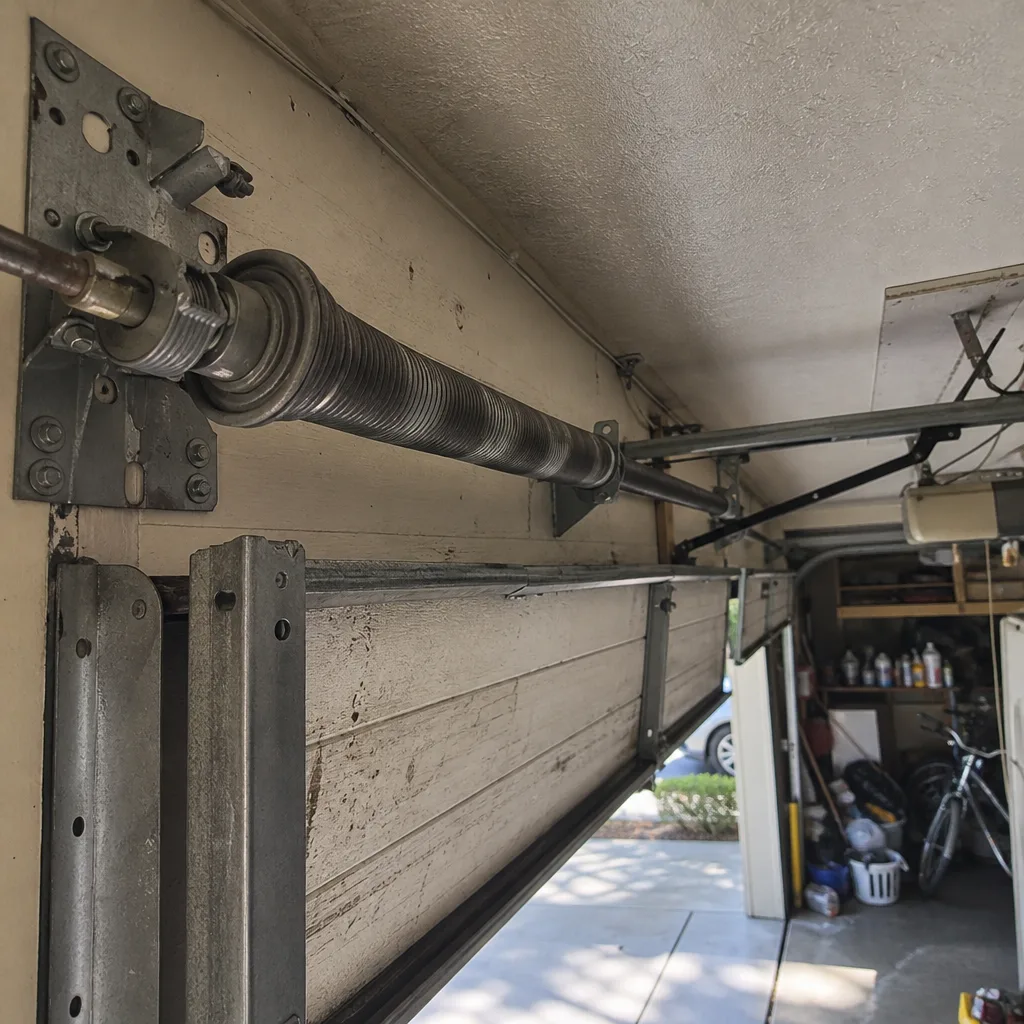 Before
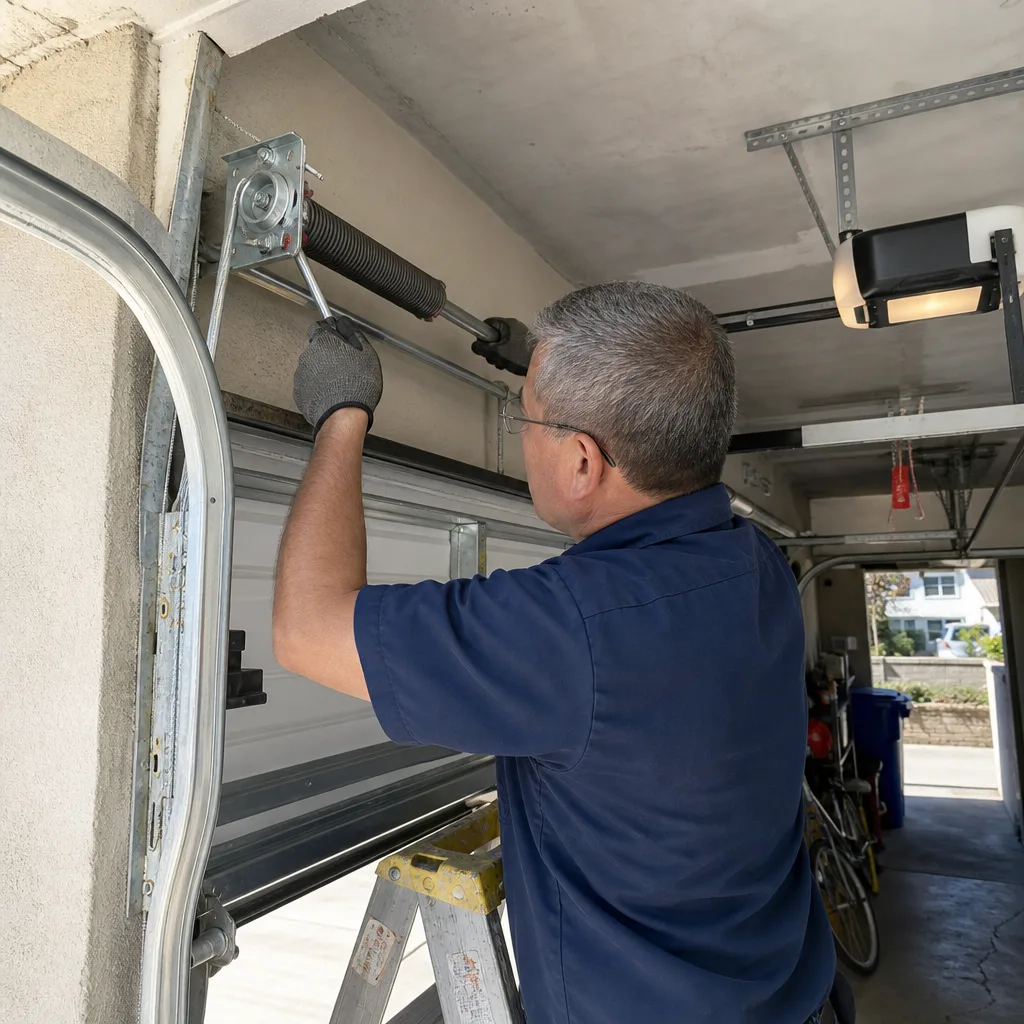 After
 Before
 After
 Before
 After