
Last updated November 2, 2026
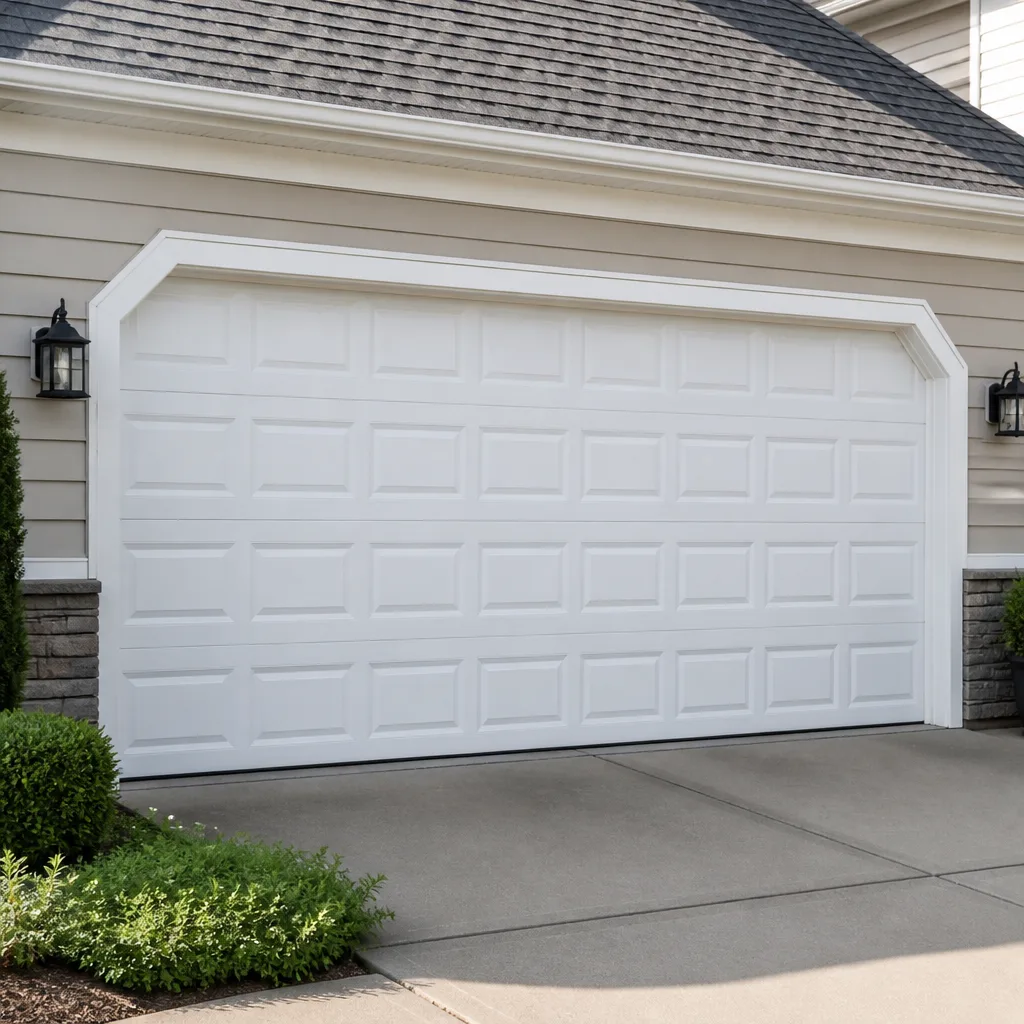 Raised-panel steel
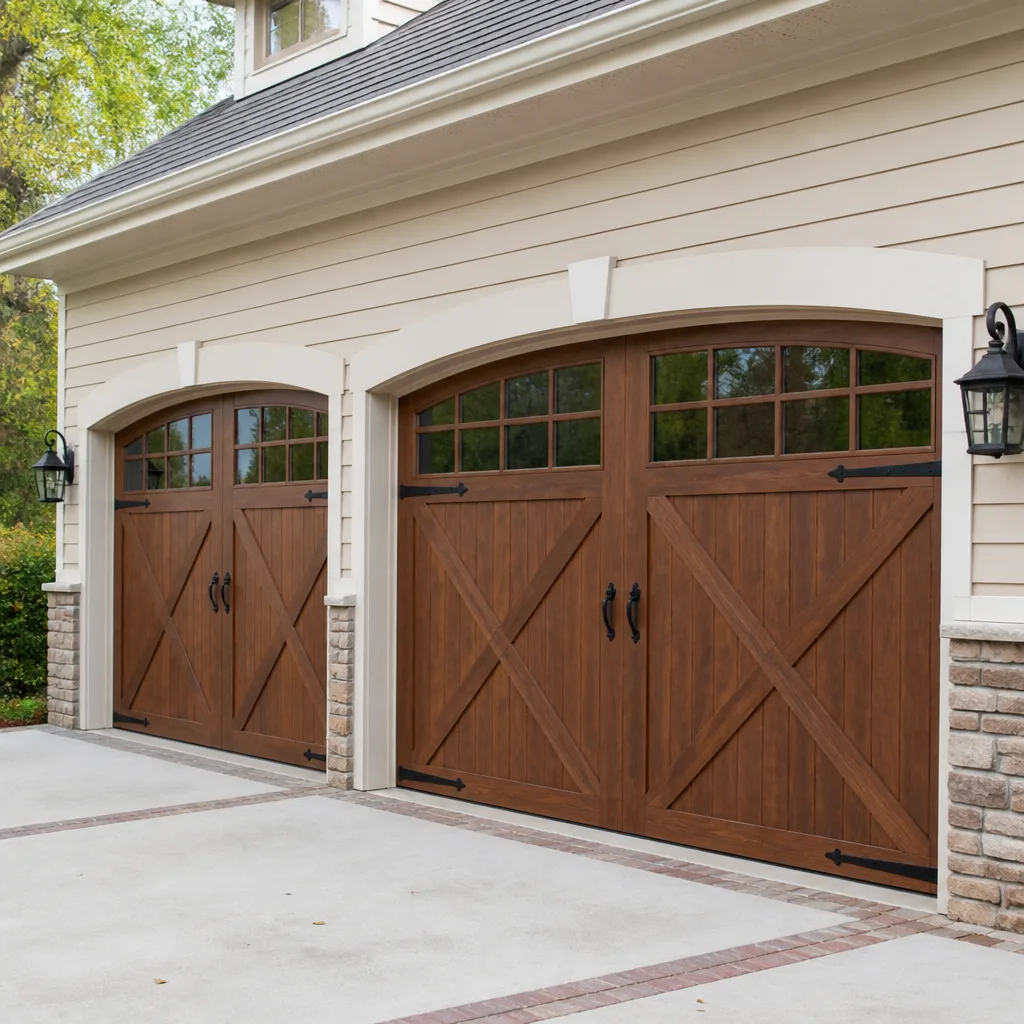 Carriage house
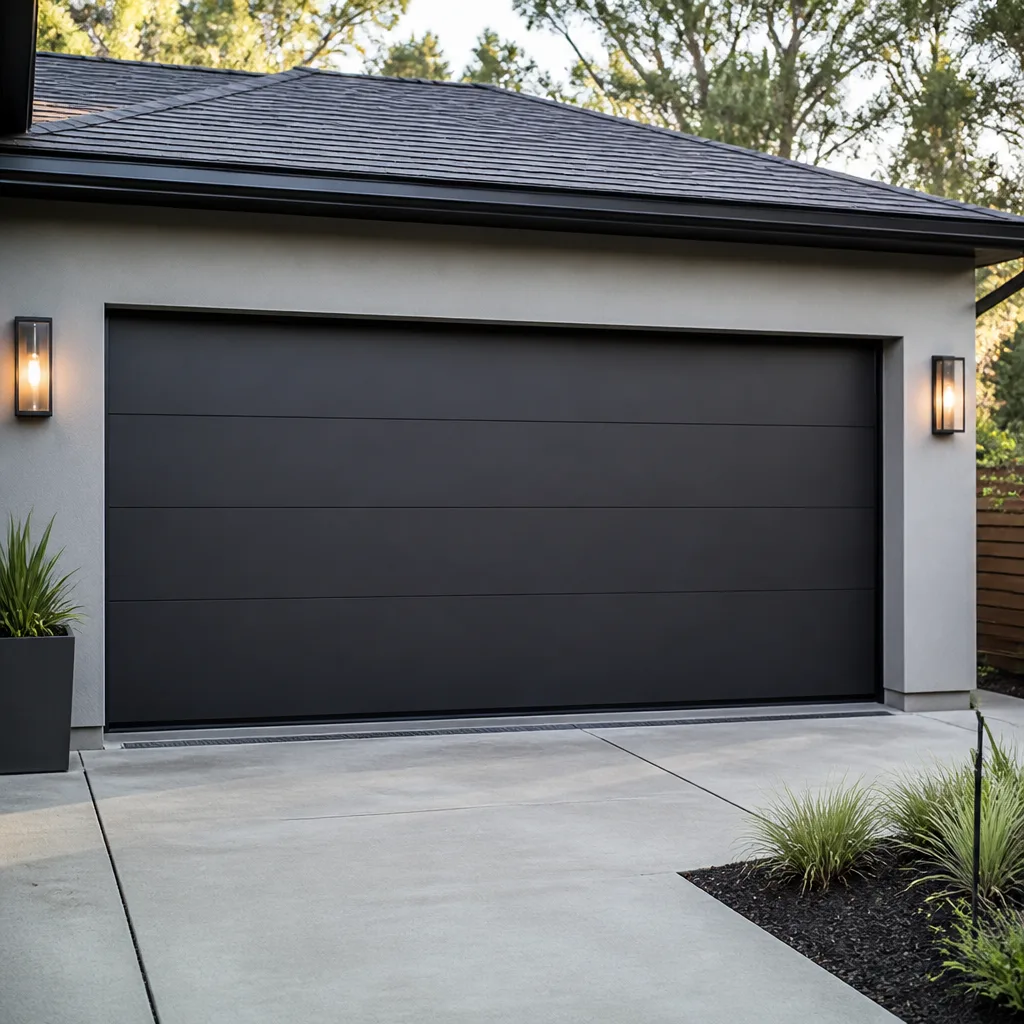 Modern flush
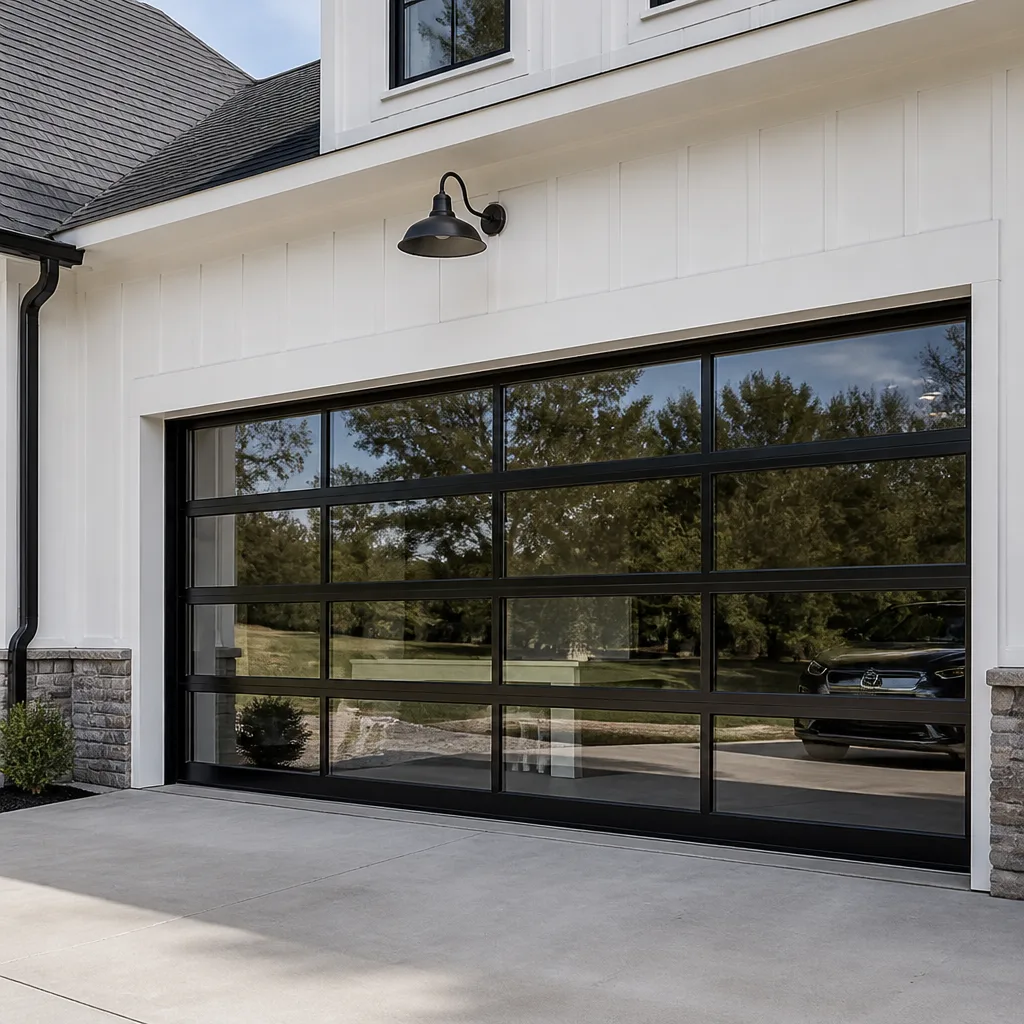 Full-view glass
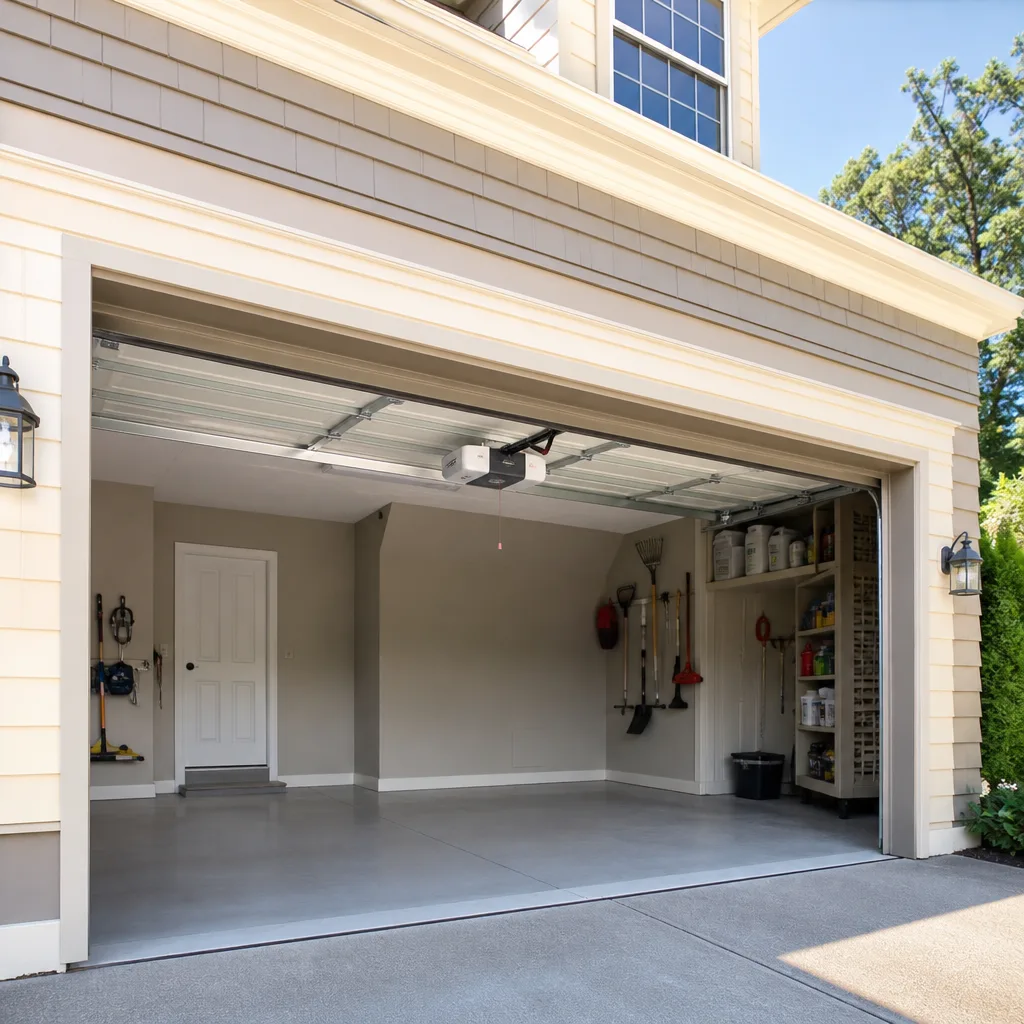 LiftMaster openers
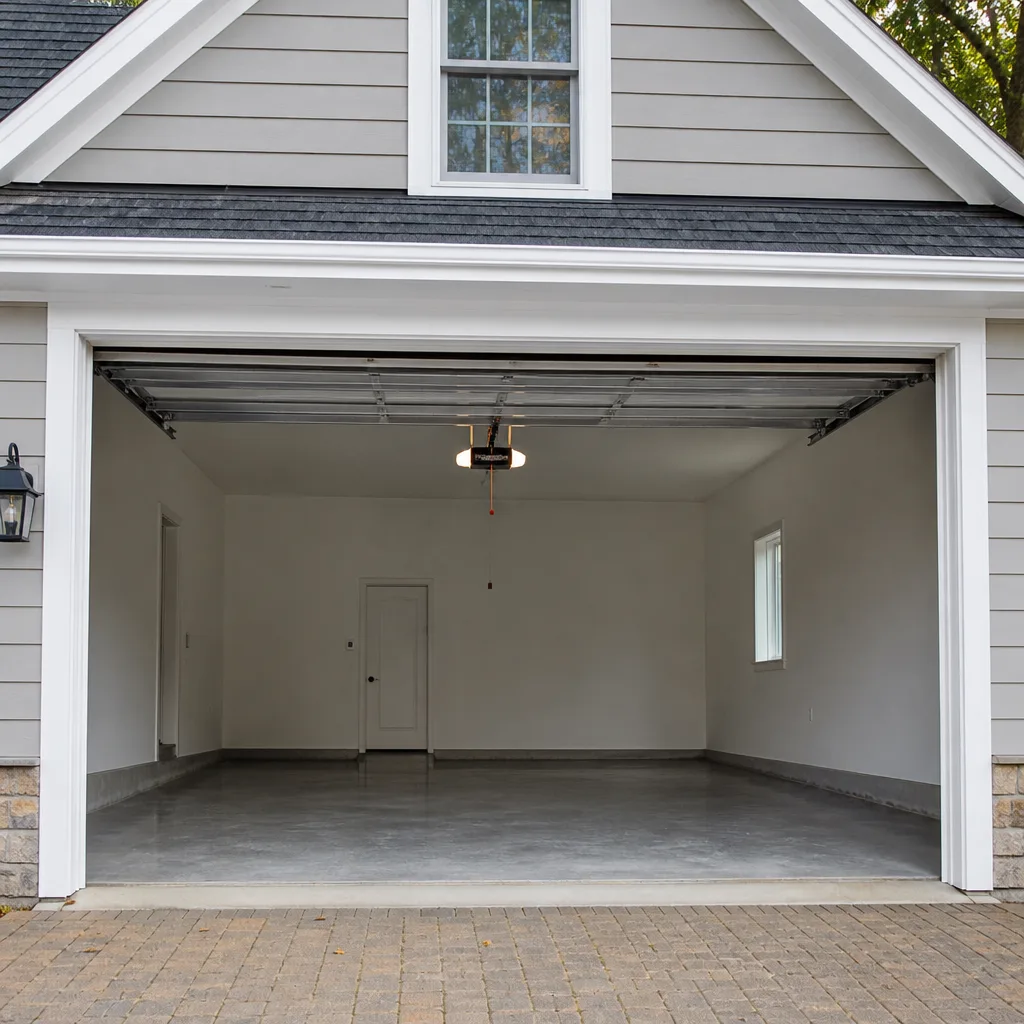 Chamberlain openers
Full 25-point door and opener safety check with every visit - springs, cables, rollers, tracks, and your LiftMaster or Chamberlain opener included
You get a price before we start. It does not change when the truck arrives.
Get your free estimateGarage Door Repair Troubleshooting: Common Problems and How to Fix Them
A door that reverses immediately after hitting the floor is a limit switch problem. A door that reverses halfway down is a safety sensor problem. A door that reverses only on cold mornings is a spring tension problem. Three identical symptoms, three completely different repairs, and most troubleshooting guides lump them together. That’s why this guide works differently. Instead of a flat symptom list, you’ll get a diagnostic logic tree that traces each problem back to the mechanical subsystem causing it. Whether you’re in Pacific Beach dealing with salt-air corrosion on your tracks or inland with thermal expansion issues, this is the symptom-to-system map that shows you what’s actually wrong, what you can safely adjust yourself, and when to stop and call our Garage Door Repair services.
Styles & brands we work with
- Raised-panel steel
- Carriage house
- Modern flush
- Full-view glass
- LiftMaster openers
- Chamberlain openers
Quick Answer
Garage door troubleshooting starts with identifying which subsystem is failing: the springs, cables, tracks, opener, or safety sensors. Most problems fall into three buckets you can diagnose by ear and eye: grinding means rollers or tracks, slamming means spring tension, and opener reversing means sensor or limit misalignment. Some fixes (sensor alignment, force adjustments, limit settings) are safe DIY work. Anything involving torsion springs or lift cables requires a trained professional because those components are under enough tension to cause serious injury. For How to Hire a Garage Door Contractor in Pacific Beach: A Step-by-Step Guide, see our detailed walkthrough.
Table of Contents
- The Symptom-to-System Diagnostic Map
- Broken Spring or Snapped Cable: How to Tell Before Touching Anything
- Opener Error Codes Translated: LiftMaster, Chamberlain, Genie, Craftsman
- Three Adjustments You Can Safely Make Yourself
- When a Small Problem Is Actually a Big Failure Accelerating
- Why Pacific Beach’s Climate Changes Your Door’s Behavior
- Common Mistakes to Avoid
- When to Call a Professional
- Frequently Asked Questions
- The Bottom Line
The Symptom-to-System Diagnostic Map
Every garage door problem traces back to one of five subsystems: springs, cables, tracks and rollers, the opener drive, or the safety sensor circuit. The trick is knowing which one is talking to you. Noise tells you about tracks and rollers. Movement tells you about springs and cables. Opener behavior tells you about the drive, limits, and sensors. Here’s the map we use on every service call in Pacific Beach.
Noise: What the Sound Tells You
- Grinding or metallic scraping: Rollers are worn, bearings are dry, or the track has shifted out of alignment. This is mechanical friction, not opener failure.
- Squealing or high-pitched whine: The opener’s drive belt or chain needs tension adjustment, or the motor gear is stripping. Common on older LiftMaster and Chamberlain models after five to seven years of daily cycles.
- Loud bang or snap from inside the garage: A spring just broke. Do not operate the door. The bang is unmistakable and usually happens when the door is closed.
- Rattling during travel: Loose hardware at the hinges or track brackets. Bolts back out over time, especially on doors that see heavy daily use.
Movement: What the Door’s Behavior Tells You
- Door rises a few inches, then stops: Broken spring, or the opener’s force setting is too low to lift the door’s full weight. If the spring is intact, this is a force adjustment issue.
- Door jerks side to side while moving: A cable has slipped off its drum, or one cable has more tension than the other. The door is now lifting unevenly.
- Door slams down hard at the bottom: Spring tension is too low, or the opener’s down-force limit is set incorrectly. The door is falling, not being lowered.
- Door drifts down after opening: Springs are losing tension, or the opener’s holding force is compromised. This gets worse slowly, then suddenly.
Opener Behavior: What the Motor Tells You
- Motor runs but door doesn’t move: The drive gear is stripped, or the emergency release cord has been pulled and the trolley is no longer engaged.
- Door reverses immediately after touching the floor: The down-limit setting is too low, so the opener thinks it hit an obstruction.
- Door reverses halfway down: Safety sensor beam is misaligned or blocked. This is the most common call we get where a five-minute fix solves it.
- Door only reverses on cold mornings: Springs lose tension in cold weather, making the door feel heavier to the opener, which triggers the force reversal circuit.
That last one is worth repeating because it confuses a lot of people. The problem isn’t the opener. The problem is spring tension changing with temperature. Fixing the springs fixes the reversal.
Broken Spring or Snapped Cable: How to Tell Before Touching Anything
This distinction matters more than any other in garage door troubleshooting. Springs and cables fail differently, they look different when they fail, and the repair approach is completely different. Here’s how to tell them apart without putting your hands anywhere near the mechanism.
The Visual Tells
A broken torsion spring shows a visible gap in the coil, usually about two inches wide, right in the middle of the spring above the door. You’ll see two clean halves where one continuous coil used to be. A broken extension spring, on older doors, hangs down from its bracket at a weird angle or lies on the track. A snapped cable looks completely different: the cable is frayed and dangling, often still attached at one end, and you’ll see a door hanging crooked in its opening with one side lower than the other.
The Auditory Tells
A torsion spring breaking sounds like a gunshot or a car backfiring inside your garage. It’s loud enough that neighbors have called to ask what happened. A cable snapping is quieter, more of a twang, like a guitar string breaking under tension. If you heard a bang and the door still opens manually with some effort, that’s a spring. If the door won’t budge at all and hangs crooked, that’s a cable.
Why It Matters for the Repair
A broken spring means the door’s full weight is no longer counterbalanced. The opener motor is now trying to deadlift 150 to 250 pounds with no mechanical assist. Running the opener in this state will strip the drive gear, which turns a $200 spring repair into a $500 spring-plus-opener repair. A snapped cable, on the other hand, usually means the door is bound on one side, and forcing it risks pulling the track out of the wall. Both are stop-and-call situations, but for different reasons. At Bison Garage Door Repair home, we carry springs and cables for all eight major brands we service, so a single visit usually gets your door balanced and running again.
Opener Error Codes Translated: LiftMaster, Chamberlain, Genie, Craftsman
Modern garage door openers are diagnostic machines wearing the disguise of a quiet box on your ceiling. They flash error codes through the learn button or an LED display, and those codes tell you exactly what the motor thinks is wrong. Here’s what the most common codes mean across the brands we see most in Pacific Beach.
LiftMaster and Chamberlain (Same Manufacturer, Same Codes)
- One flash up, one flash down: Sensor wires are reversed or shorted. Check the wiring at the sensor terminals.
- Two flashes up, three flashes down: Safety sensor beam is blocked or misaligned. Clean the lenses and realign.
- Four flashes up, six flashes down: The motor overheated. Let it cool for 15 minutes. If it recurs, the door is too heavy for the opener, which usually means spring failure.
- Five flashes up, five flashes down: The RPM sensor or logic board is failing. This one typically needs a new opener or a board replacement.
Genie
- Two red flashes: Sensor obstruction. Same fix as above: clean and realign.
- Three red flashes: The travel limits need to be reset, usually after a power surge wiped the memory.
- Four red flashes: The force setting is too low, or the door is binding in its tracks.
Craftsman
- One flash: Sensor misalignment or obstruction.
- Three flashes: Door detected as too heavy. This almost always means a spring is broken or significantly weakened.
- Five flashes: Motor circuit failure. The opener needs replacement.
Here’s the pattern worth internalizing: when an opener reports a force or weight error, the problem is rarely the opener. It’s the springs. Opener motors don’t get weak. Springs do. If you’re in Pacific Beach and your opener is flashing a weight code, the fix is a spring replacement, not a motor replacement. Our Garage Door Opener Repair in Pacific Beach page covers what a full opener service includes, including the diagnostic read of these codes.
Three Adjustments You Can Safely Make Yourself
There are exactly three adjustments on a residential garage door system that we consider safe for a homeowner to attempt. Each one is designed to be adjusted without special tools, and each one solves a specific, common problem. Here they are, in order of difficulty.
- Safety sensor alignment. The sensors sit on either side of the door, about six inches off the floor. Each one has a small LED. If one is solid and the other is blinking, they’re not seeing each other. Loosen the wing nut holding the sensor bracket, gently move the sensor until both LEDs are solid, and tighten. This fixes the door-reverses-halfway-down problem about seven times out of ten.
- Travel limit adjustment. On LiftMaster and Chamberlain openers, these are dials or buttons on the side of the motor unit. “Down limit” controls how far the door travels before the opener stops. If the door slams or reverses at the floor, back the down limit off slightly. If the door doesn’t fully close, increase it. Small adjustments only, about a quarter turn at a time, testing after each.
- Force setting adjustment. Also on the motor unit, marked “force” or “sensitivity.” This controls how much resistance the opener tolerates before reversing. If the door reverses for no reason with nothing under it, increase the force slightly. If the door is slamming at the bottom, decrease it. Same rule: small increments only.
Everything else requires removing tension from the springs, and that’s a hard line. Torsion springs on a double-wide door hold enough stored energy to break bones or take fingers. Extension springs carry similar force. If a repair requires touching a spring, a cable, or anything attached to them, call a garage door specialist. Our Garage Door Repair in Pacific Beach service handles spring and cable work with the right winding tools and a second set of trained hands.
When a Small Problem Is Actually a Big Failure Accelerating
The phrase we hear most from homeowners in Pacific Beach is some version of “it’s been doing that for a while and it just got worse.” That’s how garage doors fail. They don’t break suddenly. They wear steadily, then they fail quickly. Here are the small symptoms that indicate compounding wear, and what they mean if you ignore them.
A door that’s increasingly noisy is usually a roller problem turning into a track problem. Worn rollers grind against the track, the grinding wears flat spots into the track itself, and eventually the door binds. You’ll hear it before you see it. Replacing rollers early is a $150 job. Replacing a bent track section is $400 or more, and sometimes requires realigning the entire door.
A door that needs more and more force to open manually is a spring losing tension. Springs don’t weaken linearly. They hold, then they fail. If you’re noticing the door feels heavier than it did six months ago, the spring is telling you it’s near the end of its cycle life. Most residential springs are rated for 10,000 cycles, which at four cycles a day is about seven years. In coastal Pacific Beach air, corrosion can cut that shorter.
An opener that runs but doesn’t move the door every time is a drive gear on its way out. The gear is made of nylon and is designed to wear over time. When it’s worn, it slips. When it slips, the door freezes partway through travel. Ignoring it means one morning you’ll press the button and hear the motor spin while the door stays exactly where it is.
The pattern here is consistent: every component that fails gives you weeks or months of warning. The repair is always cheaper during the warning phase than after the failure. When you catch a symptom early, a garage door specialist can often replace one component. When you miss it, you’re replacing two or three.
Why Pacific Beach’s Climate Changes Your Door’s Behavior
We work on doors all over Pacific Beach, from the beachfront properties near Mission Boulevard to the hillside homes in North PB, and the marine environment creates a specific set of problems that inland homes never see. Salt air is relentless. It settles on springs, hinges, cables, and rollers, and it accelerates rust faster than most homeowners expect. A spring that would last ten years in El Cajon might last six or seven in Pacific Beach. That’s not a defect. It’s chemistry.
The second Pacific Beach factor is temperature swing. Our coastal evenings drop enough that metal components contract. On a door with marginal spring tension, a cold morning makes the door feel noticeably heavier, and the opener’s force circuit trips. The problem isn’t the cold. The problem is that the spring was already undersprung, and the cold revealed it. Homes closer to the water see this more often because the humidity keeps components from ever fully drying, which compounds the rust issue.
If your door is exposed to direct ocean air, we recommend a corrosion-resistant spring and hardware package. Not every homeowner needs it, but if you’re within a few blocks of the beach in Pacific Beach, the upgrade pays for itself in extended cycle life. It’s one of the things we check for when we evaluate a door, because a spring that looks fine from the outside can be structurally compromised by rust you can’t see until it snaps.
For homeowners weighing a repair against a replacement, our Garage Door Installation in Pacific Beach page walks through what a new door includes, including hardware options that hold up better in salt air.
Common Mistakes to Avoid
- Operating the door with a broken spring. The opener motor isn’t designed to deadlift a door. Every cycle with a broken spring risks stripping the drive gear, which doubles the repair cost. If you heard a bang, stop using the door.
- Spraying lubricant on the tracks. The rollers don’t ride on the track; they ride inside it. Greasing the track just attracts Pacific Beach grit and sand, which accelerates roller wear. Lubricate the roller bearings and hinges instead.
- Tightening everything that moves. Some bolts are meant to be tight, and some are meant to have specific clearance. Crank down the track brackets and you’ll bind the door. Crank down the hinges and you’ll strip the screw holes in a wooden door.
- Replacing the opener when the spring is the problem. A weak spring makes the opener work harder, which trips force errors. Homeowners replace a perfectly good motor when the real fix was a $200 spring. Check the spring before you replace the opener.
- Ignoring a door that’s slowly getting louder. Noise is the earliest warning sign in a garage door system. By the time the noise turns into binding or jerking, the repair is already more expensive than it would have been a month earlier.
- Attempting DIY spring repair with improvised tools. Torsion springs need purpose-built winding bars. A screwdriver or rebar in the winding cone will slip, and when it slips, the spring unwinds with enough force to cause serious injury. This is the one repair where the stakes are highest and the DIY payoff is lowest.
When to Call a Professional
Call a garage door specialist when the problem involves a torsion spring, an extension spring, a lift cable, or anything attached to those components. These parts are under extreme tension, and the risk of serious injury from a slip or a snapped cable is real. Call when the door is off its track, when the opener is flashing a force or weight error that persists after cleaning the sensors, or when you’ve made the three safe adjustments and the problem remains. You should also call when the door is more than 15 years old and showing multiple symptoms at once, because at that age, piecemeal repairs cost more than the door is worth. Bison Garage Door Repair offers free estimates in Pacific Beach – call (866) 282-5711 and we’ll diagnose the problem on site before you commit to anything.
Frequently Asked Questions
The down-limit setting on your opener is set too low, so the motor thinks it’s hitting an obstruction when the door touches the ground. Adjust the down-limit control on the motor unit in small increments until the door closes fully without reversing. This is one of the three homeowner-safe adjustments described above.
Cold temperatures cause metal springs to contract and lose tension, which makes the door feel heavier to the opener’s force sensor. That extra resistance triggers the safety reversal. The root cause is a spring that’s already marginal, and the permanent fix is replacing or re-tensioning the spring, not adjusting the opener. Call (866) 282-5711 for a free spring evaluation.
Look for a visible gap in the coil of the torsion spring above the door, usually about two inches wide. You’ll also likely have heard a loud bang when it broke, and the door will be extremely heavy or impossible to lift manually. Do not operate the door with a broken spring; the opener will strip its own drive gear trying to move the unbalanced weight.
A flashing light pattern is a diagnostic code. Two flashes up and three down means sensor obstruction or misalignment. Four flashes up and six down means motor overheating. Five flashes up and five down means RPM sensor failure. Match the pattern to the chart in the error code section above, and if you’re in Pacific Beach, a service call can read the code and fix the underlying issue in one visit.
No. Torsion springs are wound under enough tension to cause severe injury if a winding bar slips, and extension springs require specialized cables and containment hardware. This repair is not a matter of strength; it’s a matter of the right tools and the right sequence. A state-licensed garage door specialist carries the correct winding bars and replaces springs in about an hour.
Most garage door repairs in Pacific Beach fall between $150 and $450 depending on the component. Roller replacement runs $150 to $250, spring replacement $200 to $350, cable replacement $150 to $250, and opener drive gear replacement $200 to $300. The final price is always quoted and agreed before any work starts. Call (866) 282-5711 for an exact quote on your specific door.
The Bottom Line
Garage door troubleshooting is a system-level skill, not a symptom-matching exercise. The same symptom can point to three different root causes, and the fix only works when you’ve identified the right subsystem. Noise points to rollers, tracks, and openers. Movement points to springs and cables. Opener errors point to sensors, limits, and force settings. You can safely handle sensor alignment, limit adjustments, and force settings yourself. Everything else involving spring tension requires a trained specialist with the right tools. If you’re in Pacific Beach and your door is giving you warning signs, call (866) 282-5711. We’ll diagnose it properly the first time.
Written by the team at Bison Garage Door Repair, serving Pacific Beach since 2016. Explore more guides & resources.
See the difference
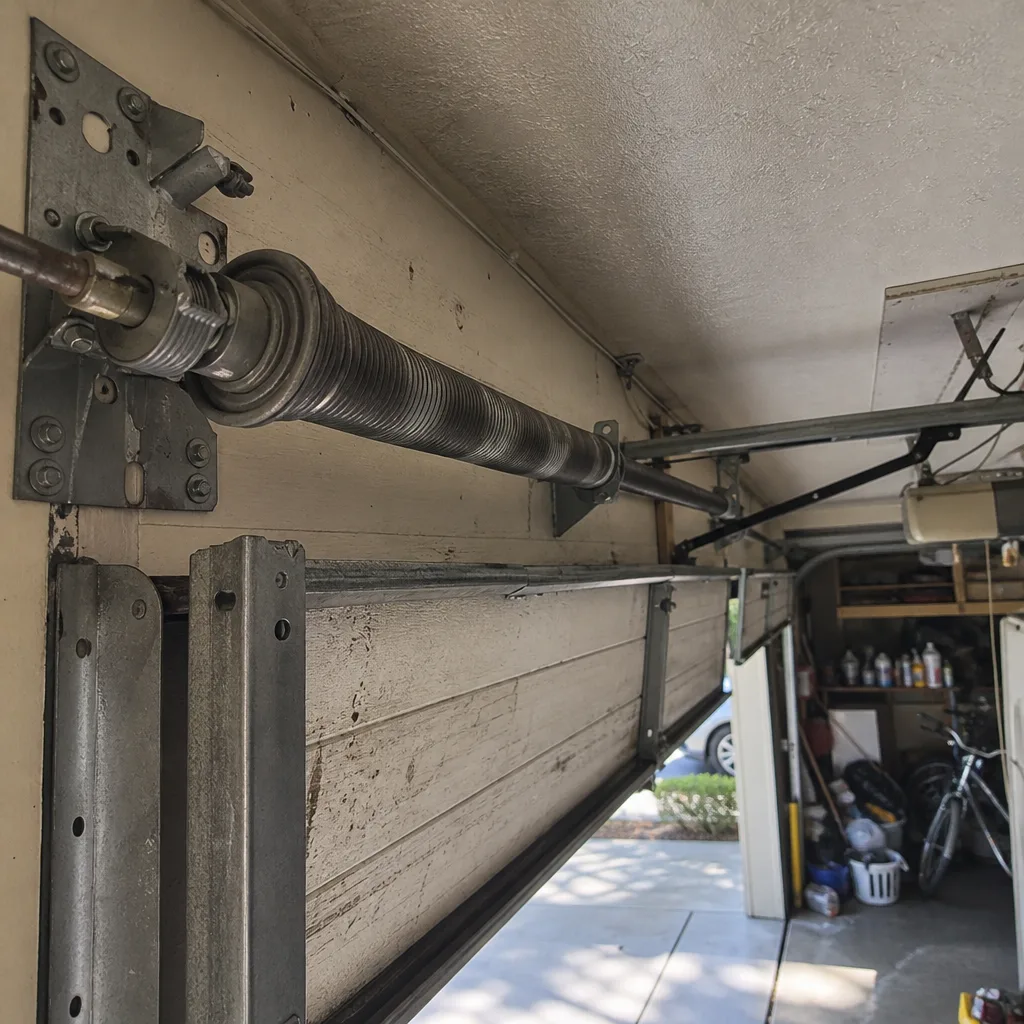 Before
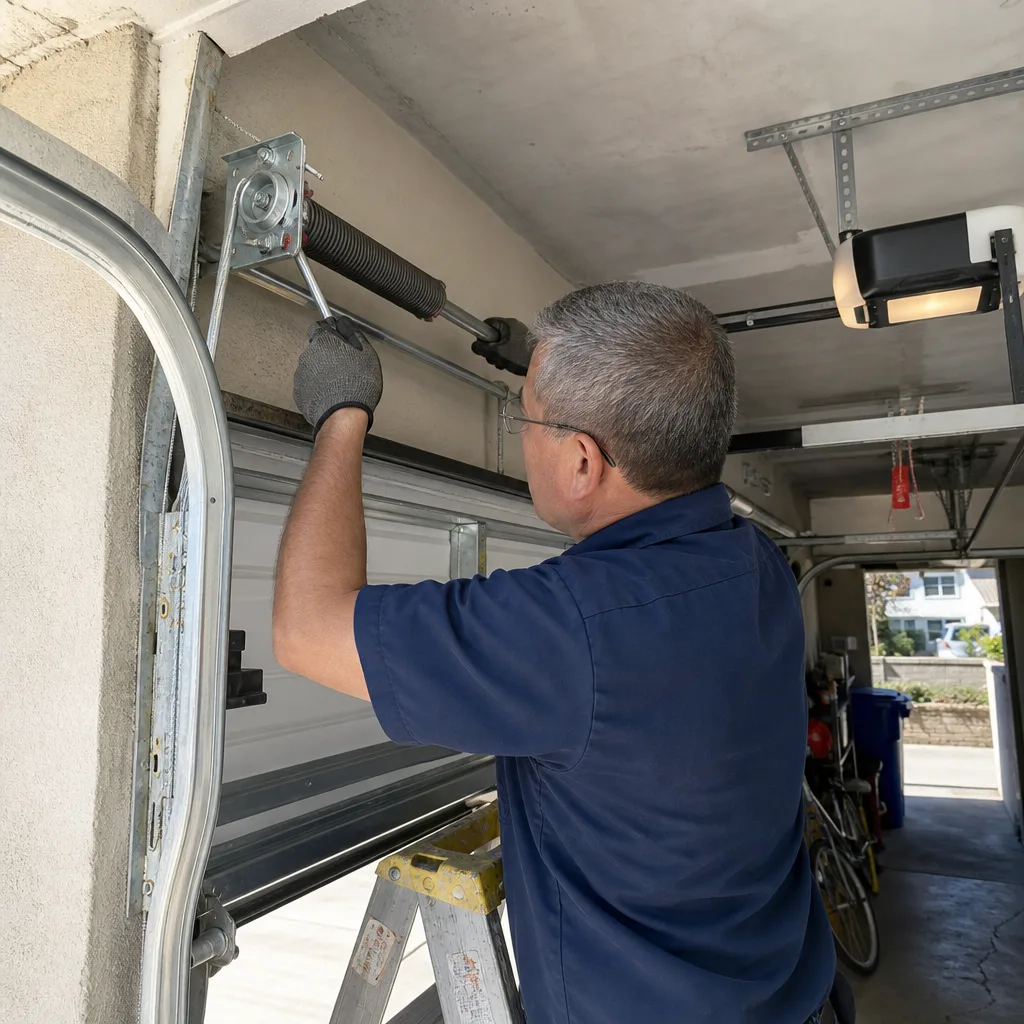 After
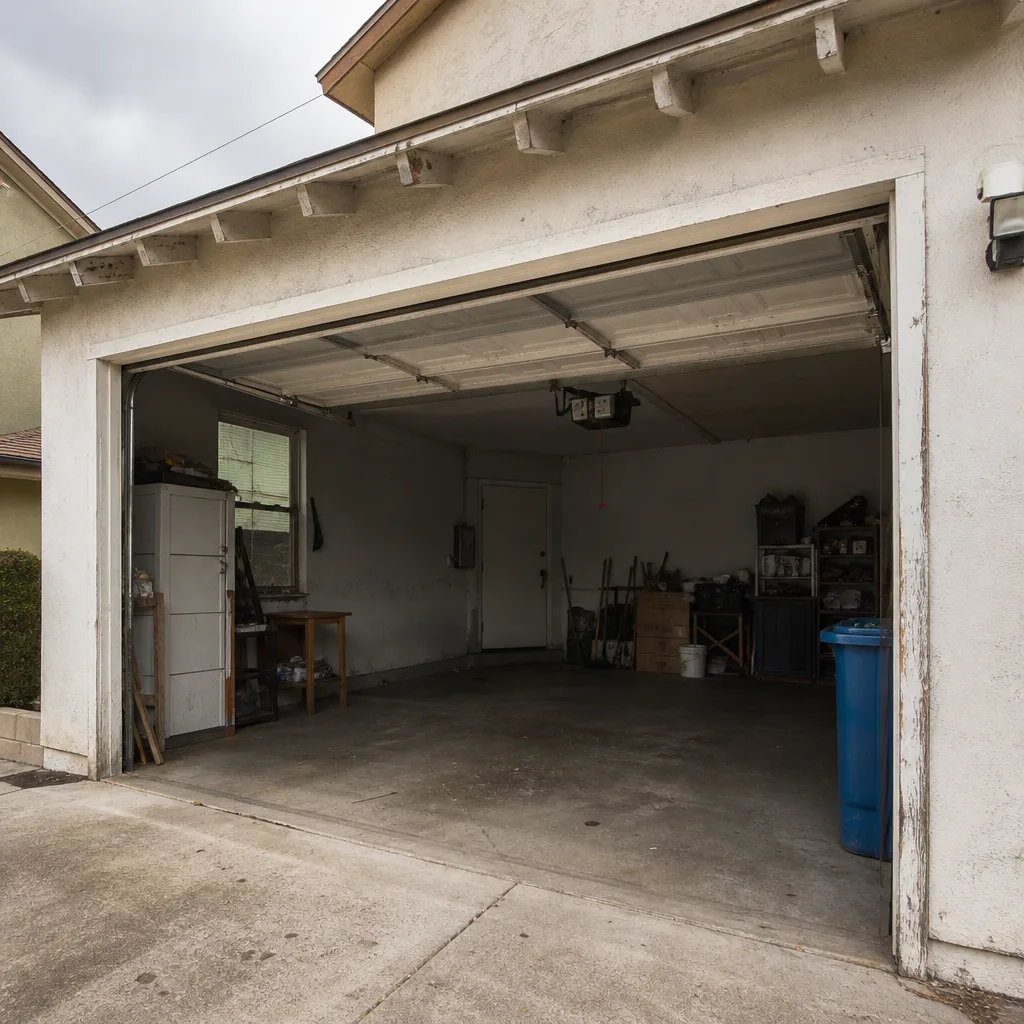 Before
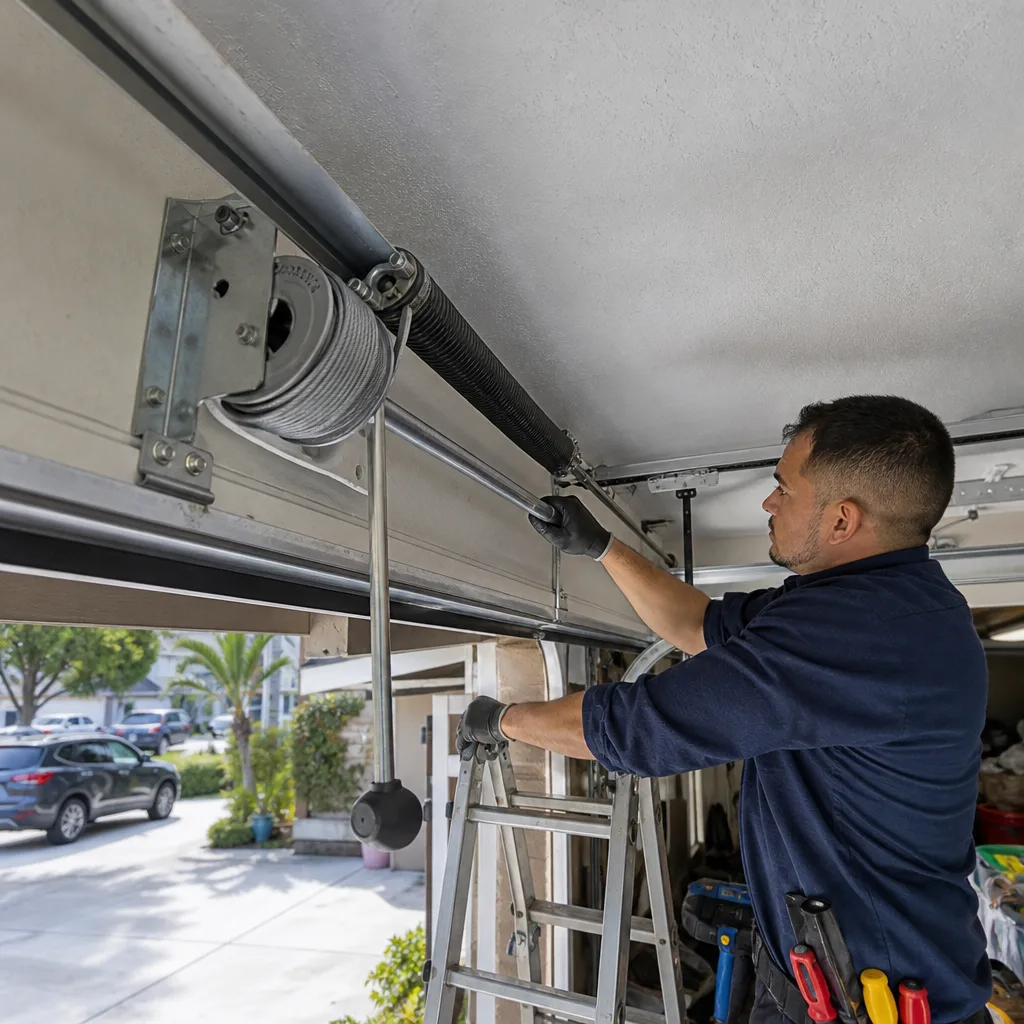 After
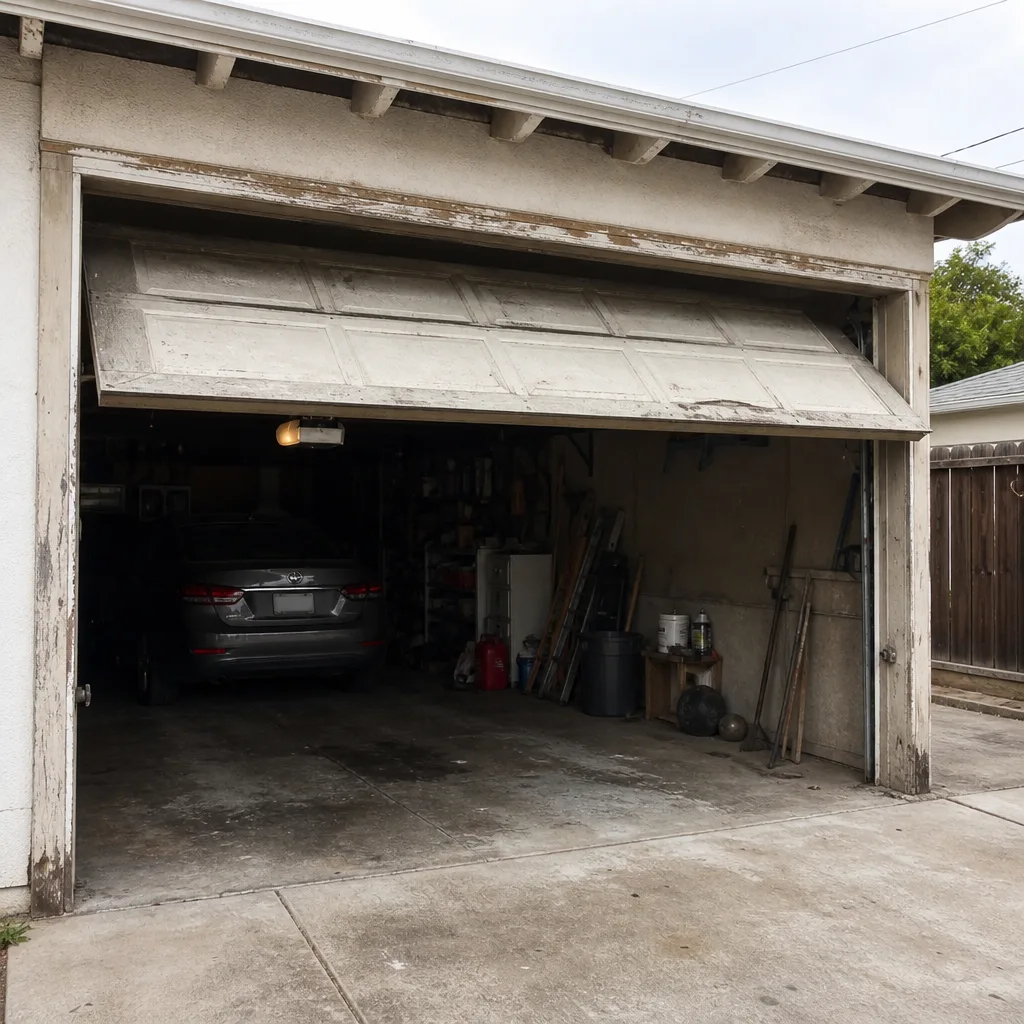 Before
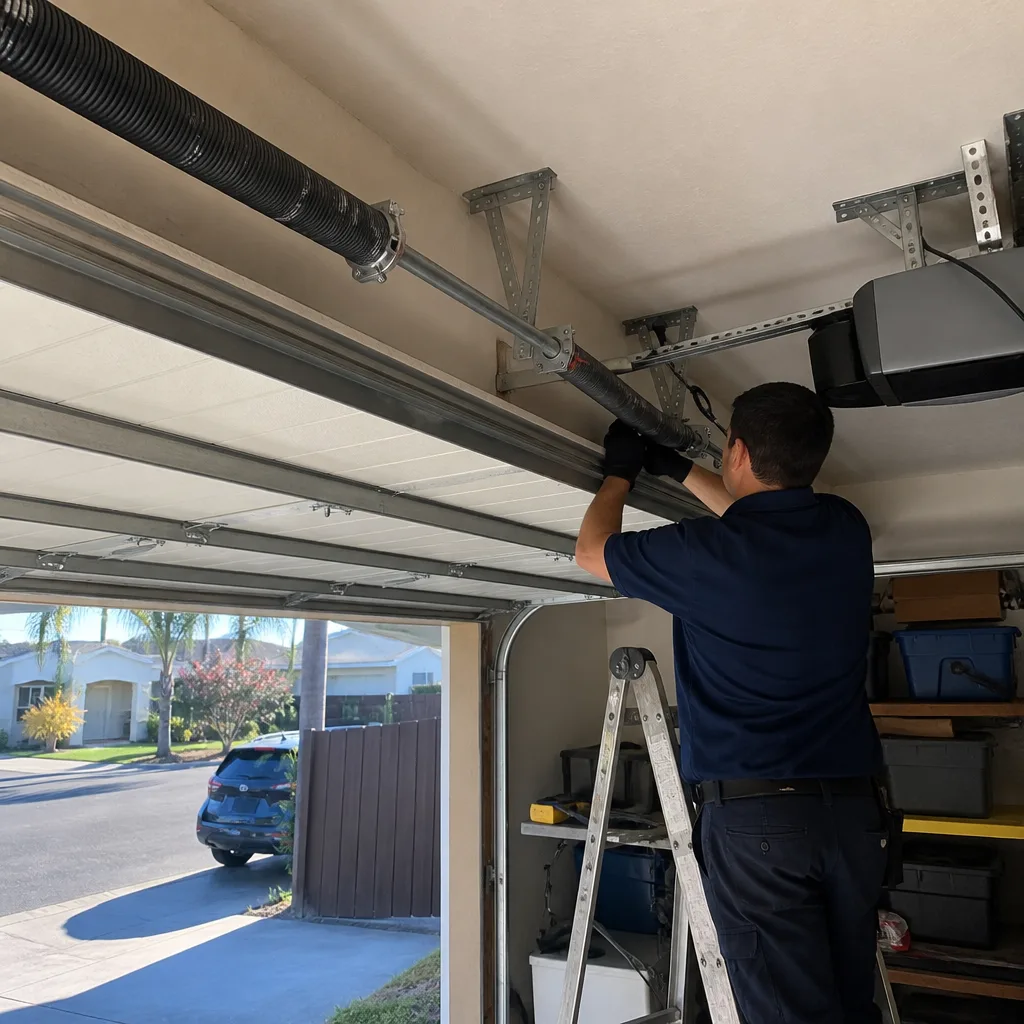 After