
Last updated November 2, 2026
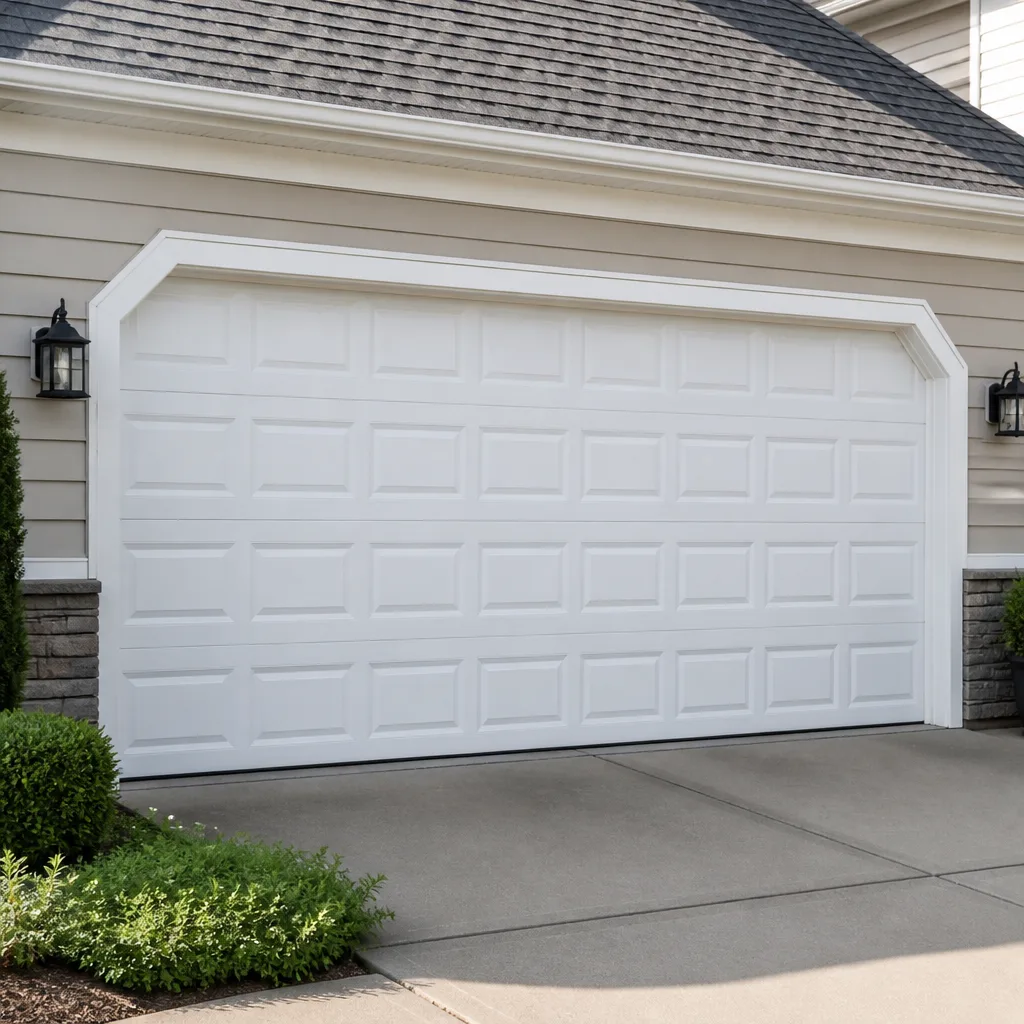 Raised-panel steel
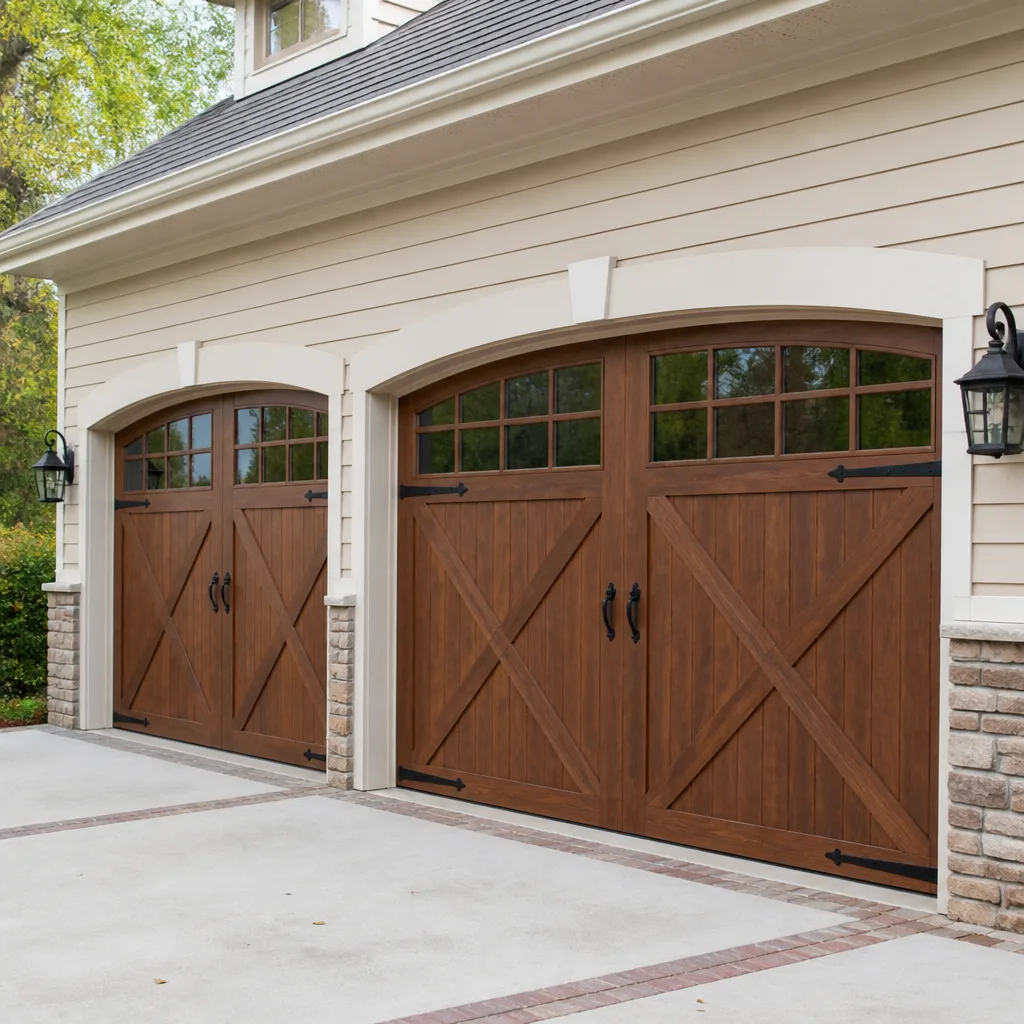 Carriage house
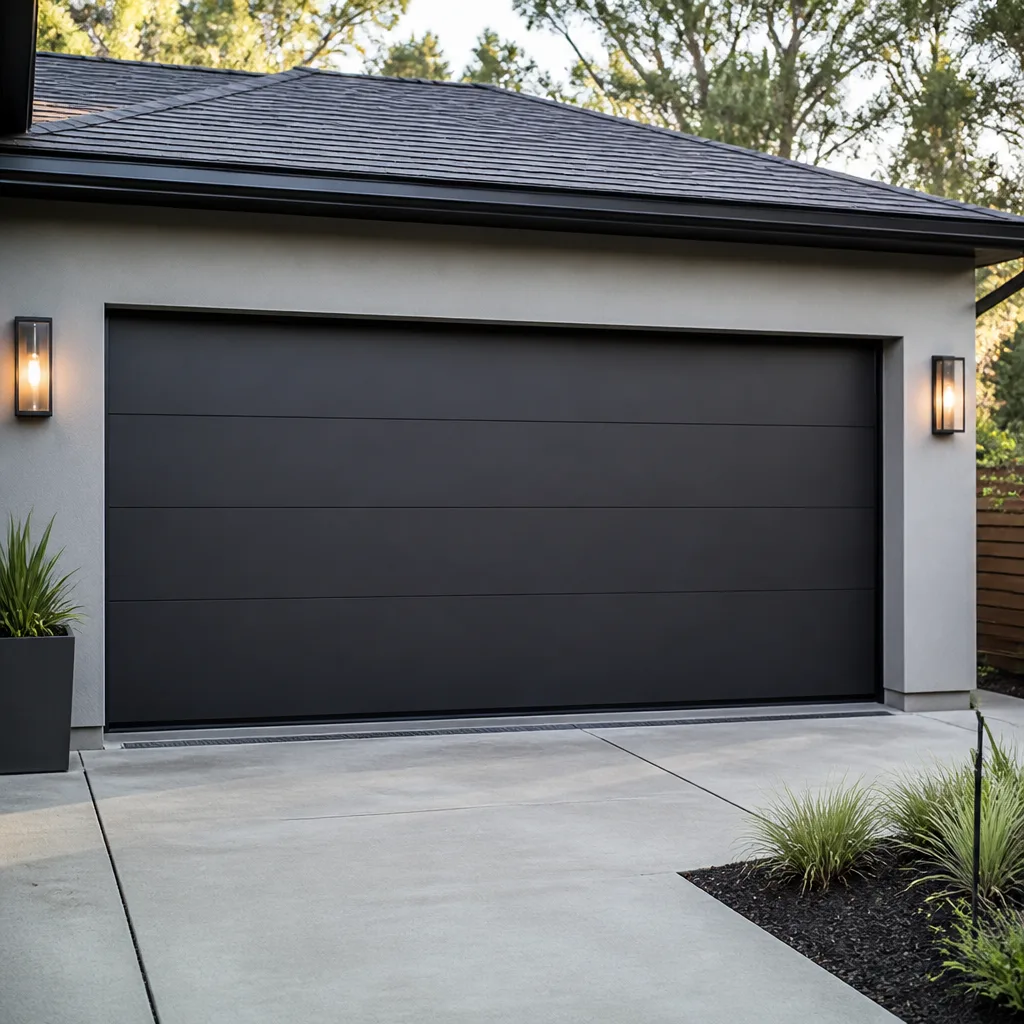 Modern flush
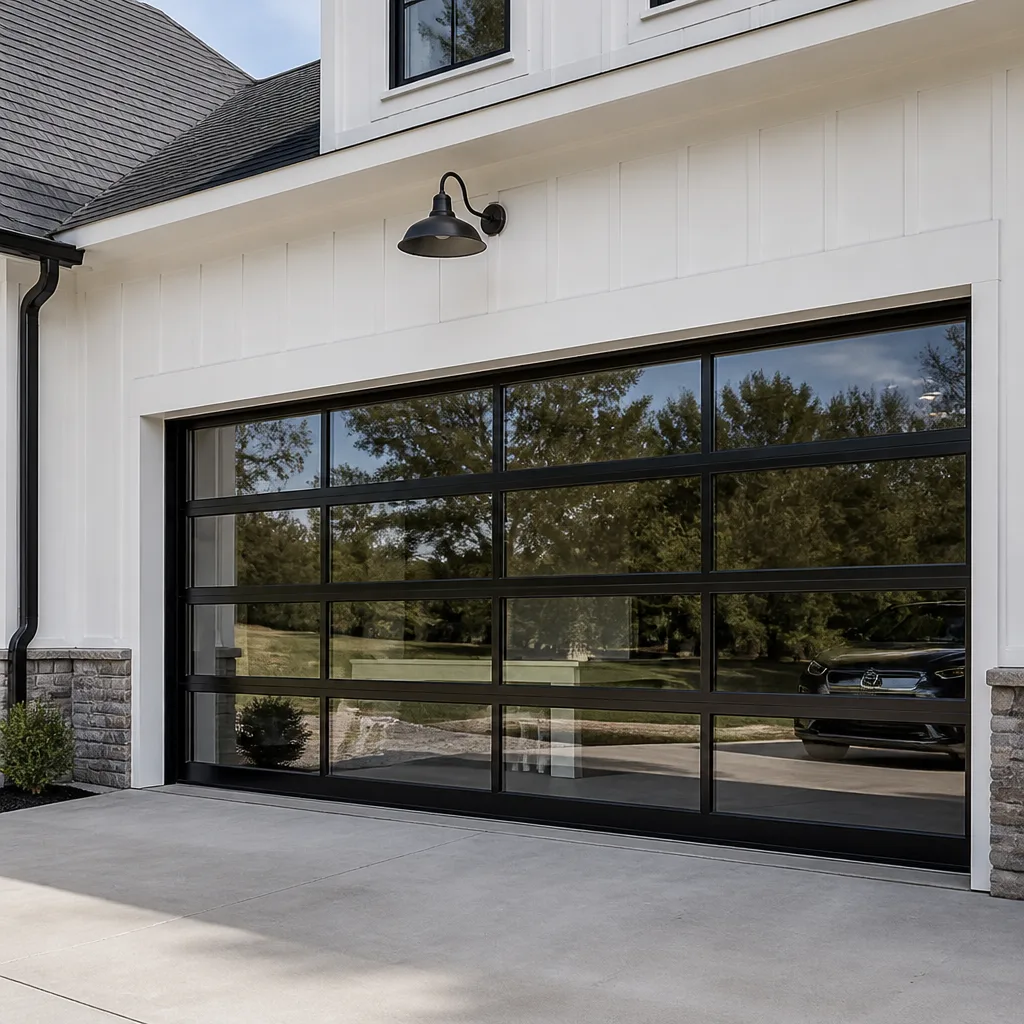 Full-view glass
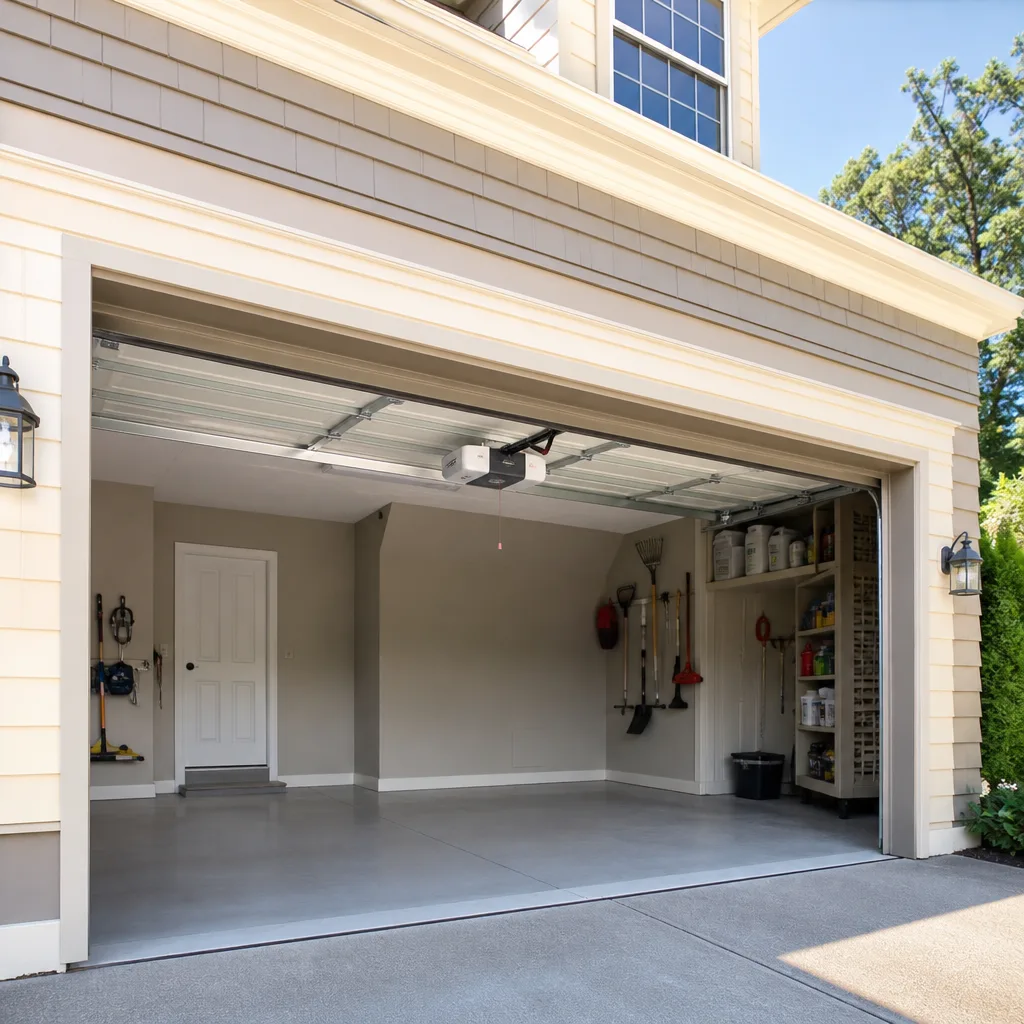 LiftMaster openers
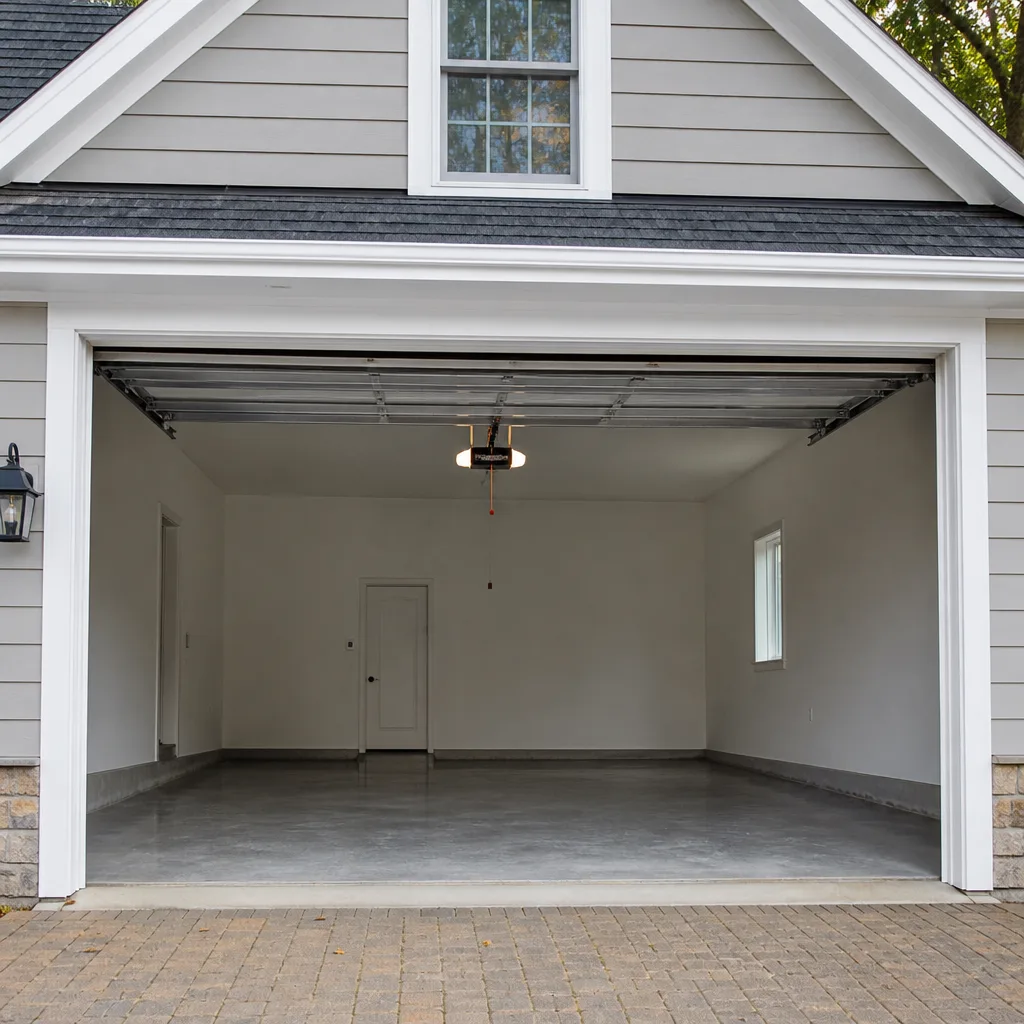 Chamberlain openers
Full 25-point door and opener safety check with every visit - springs, cables, rollers, tracks, and your LiftMaster or Chamberlain opener included
You get a price before we start. It does not change when the truck arrives.
Get your free estimateGarage Door Repair Maintenance Checklist for Pacific Beach Homeowners
A spring that lasts 10,000 cycles in San Diego’s inland zip codes may fail noticeably sooner in Pacific Beach. Not because of heavier use or a cheap part, but because of what’s in the air between every cycle. Salt, moisture, and fine coastal grit work their way into hinges, cables, and spring coils in ways that inland checklists never account for. This guide gives you a maintenance schedule calibrated to Pacific Beach specifically, so you catch corrosion before it catches you. For Garage Door Repair Troubleshooting: Common Problems and How to Fix Them, see our dedicated walkthrough.
Styles & brands we work with
- Raised-panel steel
- Carriage house
- Modern flush
- Full-view glass
- LiftMaster openers
- Chamberlain openers
Quick Answer
The most effective garage door maintenance checklist for Pacific Beach homeowners includes monthly hinge and roller lubrication with a moisture-repelling spray, quarterly spring and cable inspection for rust, monthly auto-reverse testing, and a full track and hardware wash every 60 days to remove salt buildup. If any component shows pitting, fraying, or stiffness, call a Pacific Beach Garage Door Repair services specialist before a small fix becomes a full replacement.
Table of Contents
- Monthly Maintenance Tasks for Coastal Garage Doors
- Salt Corrosion: Where It Hits First and What to Do
- Proper Lubrication in a Coastal Climate: What to Use and What to Skip
- Testing Auto-Reverse and Force Settings Before They Fail
- Early Warning Signs Unique to Humid Coastal Doors
- A Month-by-Month Maintenance Schedule That Actually Works
- Common Mistakes to Avoid
- When to Call a Professional
- Frequently Asked Questions
- The Bottom Line
Monthly Maintenance Tasks for Coastal Garage Doors
Most guides tell you to inspect your garage door twice a year. That advice works in Phoenix or Las Vegas. In Pacific Beach, twice a year gives salt and moisture 180 days to do damage between checks. We recommend a monthly rhythm, and it takes less than 15 minutes once you know what you’re looking at.
Here is the monthly baseline every Pacific Beach homeowner should follow:
- Listen to the door open and close. Stand inside the garage and cycle the door once. A smooth door makes a consistent low hum and a soft thud at the floor. Grinding, squealing, or rattling means a roller, hinge, or track has picked up grit or lost lubrication.
- Wipe down the bottom rubber seal. The seal along the bottom edge traps sand and salt spray after every rain and every foggy morning. Run a damp cloth along it, then check for cracks. A torn seal lets moisture and pests in and shortens the life of the door’s lower panels.
- Inspect visible cables for rust. Look at the two cables running up both sides of the door. Coastal air often starts the rust process at the cable drum or at the bottom bracket, where salt water tends to collect after washing off the driveway.
- Test the balance. Pull the red release handle to disconnect the opener, then lift the door manually to waist height. If it stays, the springs are doing their job. If it drops or feels heavy, a spring is weakening, and that is not a DIY fix.
- Check the opener force setting. Place a piece of lumber flat on the ground under the door’s path and close the door. It should reverse within a second of touching the wood. If it doesn’t, the force setting is too high and needs adjustment.
If this routine feels like a lot, it isn’t. Once you’ve run through it two or three times, it becomes muscle memory. And the payoff is avoiding the kind of failure that leaves a door stuck half open at 7 a.m. with a car trapped inside.
Salt Corrosion: Where It Hits First and What to Do
Salt air in Pacific Beach does not attack a garage door evenly. It concentrates on the metal parts that move, flex, or sit closest to the ground, where ocean moisture pools and dries repeatedly. Knowing where to look is half the battle.
Here are the components that corrode first in beach-zone homes, in the order we see them fail at Bison Garage Door Repair in Pacific Beach:
- Bottom brackets. These steel brackets hold the cables and bolt to the door’s bottom corners. Salt water from the driveway splashes directly onto them. Once the bracket rusts through, the cable can release under full spring tension. That is the most dangerous failure mode on any garage door.
- Hinges. The hinges between each door panel are typically steel. Coastal moisture creeps into the hinge pins, accelerating rust and eventual binding. A binding hinge makes the door jerk as it opens and forces the opener to work harder.
- Cable drums. The grooved drums at the top of the door guide the lift cables. Rust in the grooves acts like sandpaper on the cable, shortening its life and increasing the chance of a snap.
- Spring coils. Torsion springs are the most vulnerable part of the whole system. Salt air causes tiny rust pits on the coil surface. Each cycle flexes the spring, and every flex works those pits deeper. A rusted spring does not break cleanly; it fractures, often when the door is closed, releasing more than 200 pounds of stored force.
A safety note worth taking seriously: springs and cables operate under extreme tension. If you see red rust, heavy pitting, or frayed strands on a cable, do not attempt to repair or adjust the part. We have seen the result of DIY spring work, and it is not something you walk away from the same. A garage door repair specialist in Pacific Beach can replace these components safely in a single visit.
What can a homeowner do? Wipe the bottom brackets and lower hinges dry after heavy fog or rain. Use a dry rag, not water. If you see surface rust on brackets or drums that has not yet pitted, a light application of a corrosion-inhibiting spray can slow it down. If the rust has created flaking or if a cable looks fuzzy with broken strands, that is the moment to call.
Proper Lubrication in a Coastal Climate: What to Use and What to Skip
The single most helpful maintenance habit for a Pacific Beach garage door is lubrication, but the product you choose matters more here than it does inland. Some lubricants actually attract moisture and grit, making coastal problems worse.
What to use: a dry or solvent-based garage door lubricant, ideally one labeled as moisture-displacing. A spray with light viscosity penetrates hinge pins and roller bearings, then leaves a thin film that resists salt spray. We use and recommend spray-on lithium grease or a dedicated garage door lubricant, not a general-purpose oil.
What to skip:
- WD-40 or similar general penetrating sprays. They clean and temporarily quiet a noisy part, but they do not leave a lasting lubricating film. Worse, they can strip away existing lubricant, leaving metal exposed to coastal air.
- Heavy axle grease. It is sticky and thick. In Pacific Beach, sticky means sand, salt, and grit bond to the grease and turn it into a grinding paste.
- Cooking spray or household oil. These break down quickly and leave residue that accumulates faster in humid air.
The lubrication routine itself takes about five minutes:
- With the door closed, spray each hinge along both sides of the door, two short bursts each. Aim at the pin where the two hinge halves meet.
- Spray the roller stems, not the roller wheels. The wheels roll on sealed or unsealed bearings; the stem is where the motion concentrates and where moisture collects.
- Spray the torsion spring. Run the spray along the entire length of the coil. The goal is a thin, even coat that prevents surface rust from taking hold.
- Spray the lock mechanism and the top of the track where the roller travels, if the track is steel.
- Wipe away any excess with a clean cloth. Excess lubricant on the outside of parts is exactly what attracts salt and sand.
For a Chamberlain, Genie, or LiftMaster opener, the rail above the motor also benefits from a light coat once or twice a year. A dry, noisy rail makes the opener work harder and shortens the drive gear’s life.
Testing Auto-Reverse and Force Settings Before They Fail
Auto-reverse is the safety mechanism that tells a closing door to reverse when it hits something. Federal standards have required it since 1993, but the sensors and force settings that control it drift over time, especially in coastal air where connections corrode and lenses collect film.
The test is simple and should be done monthly in Pacific Beach. Here is the step-by-step:
- Check the sensor eyes. The two small units near the floor on each side of the door track send an invisible beam. If the lenses are cloudy with salt film, the beam weakens and the door may not close at all, or may reverse without reason. Wipe both lenses with a dry cloth.
- Test the beam. With the door open, press the wall button to close it. Wave a broom handle or block of wood through the beam path while the door is closing. The door should reverse immediately and fully. If it does not, do not use the door until the sensors are realigned or replaced.
- Test the force reversal. Place a block of wood, roughly a 2-by-4 laid flat, on the floor where the door meets the ground. Close the door. It should strike the wood and reverse within two seconds. If the door crushes the wood or keeps pressing down, the force setting is too high.
- Check for proper balance after reversal. After either reversal test, open the door manually using the red release handle. It should lift with even effort and stay in place when you let go. A door that fights you is a warning sign.
Some newer openers, especially Chamberlain and Genie models, show a diagnostic light pattern when sensors are misaligned. A blinking green light on the motor unit is often the first honest signal that the beam has been interrupted by dust, salt film, or a loose wire. Our garage door opener repair service in Pacific Beach regularly corrects sensor alignment and force settings that have drifted over years of use.
The point of these tests is not to create work for you. It is to confirm the safety system works before a kid, a dog, or a bicycle tests it for you. A door that does not reverse is a door that breaks the moment it matters.
Early Warning Signs Unique to Humid Coastal Doors
Inland checklists mention grinding and rattling. Those signs apply everywhere. But Pacific Beach doors have their own early indicators, and most of them are quiet. Here is what we have learned from installing and maintaining garage doors in Pacific Beach for years:
- White chalky residue on metal parts. This is not dust. It is zinc oxide, the first stage of galvanic corrosion. It appears on hinges, brackets, and track fasteners before visible rust does. If you see white powder, wipe it off and monitor that part twice as often.
- Slow operation on humid mornings. Wood doors and unsealed metal parts absorb moisture overnight during Pacific Beach’s coastal fog. If the door moves noticeably slower at 7 a.m. than it does at 3 p.m., the rollers or hinges are binding from moisture absorption. It is a small signal now and a stuck door later.
- Fine sand build-up on the track. Ocean breeze carries suspended sand particles that settle on horizontal surfaces, including the interior of the track. This grit grinds against rollers and accumulates in the curve of the track. A door that makes a soft grinding sound only when opening fully is telling you the track needs a wipe-down.
- Cracking or stiffening of the bottom weather seal. Salt and UV work on rubber seals faster close to the water. A seal that has lost its flexibility lets moisture in, and once the inside bottom panel of the door starts to rust or delaminate, the repair cost multiplies.
- Rust streaks on the door panel beneath the hinges. This appears as faint orange drips running down the face of the door. It means the hinge is rusting behind the panel and the rust is seeping out. By the time it is visible on the outside, the hinge is usually well into deterioration.
None of these signs are dramatic. That is the point. Coastal doors fail slowly and then all at once. The spring that breaks on a Tuesday night in Pacific Beach usually started pitting months earlier.
A Month-by-Month Maintenance Schedule That Actually Works
Instead of a generic twice-a-year list, here is a month-by-month schedule that follows the Pacific Beach climate pattern. The goal is to do the right task in the right month, so nothing builds up.
January and February: Post-Rain Inspection
San Diego’s rainiest months leave standing water under the garage door. Check the bottom seal for splits, wipe down the bottom brackets, and inspect the cable drums for rust that may have accelerated during wet weeks. If any part of the track looks wet, dry it with a cloth.
March and April: Spring and Cable Assessment
As temperatures rise and the air dries, inspect the torsion spring coils in direct light. Use a flashlight and look for rust pits or uneven gaps between coils. Check the cables for fraying where they wrap around the drums. This is the best time of year to schedule a spring replacement if the spring shows signs of nearing its cycle limit, before summer daily use begins.
May and June: Full Lubrication and Track Cleaning
The first extended dry stretch is the time to lubricate everything: hinges, rollers, springs, opener rail. Wipe the interior track with a dry cloth to remove sand. Avoid using water to clean the track; a dry wipe and a light spray on the roller stems is enough.
July and August: Auto-Reverse and Sensor Recalibration
With kids home for summer and more traffic through the garage door than any other season, test the auto-reverse weekly in July. Check the sensor alignment monthly. A door that reverses randomly on a July afternoon is often dealing with expanded metal or misaligned sensors from door jamb movement in heat.
September and October: Pre-Winter Prep
Pacific Beach’s offshore Santa Ana winds carry inland dust. That dust mixes with the existing salt film and creates an abrasive layer on rollers and hinges. Wipe down the exposed metal parts and reapply lubricant where the film was thickest. Check that the bottom seal still sits flush against the concrete.
November and December: End-of-Year Full Inspect
Before the holiday season, run the complete monthly checklist and add a visual inspection of the door’s balance. Pull the release handle and lift the door manually. If it feels heavier on one side or drops unevenly, have a professional assess the spring tension. A door that is even slightly out of balance places uneven load on the opener and shortens its life.
This schedule is not rigid. If a heavy fog month leaves visible salt on the metal, run the lubrication routine early. The point is a rhythm of attention, not a calendar you ignore.
Common Mistakes to Avoid
- Using the wrong lubricant. A general household spray or heavy grease on a Pacific Beach garage door acts like a magnet for salt and grit. Use a dedicated garage door lubricant, and wipe excess off after each application.
- Ignoring white powder on metal parts. That chalky residue is the first visible stage of galvanic corrosion. Wipe it off and monitor the part. If the surface beneath starts to pit, the clock is ticking.
- Skipping the auto-reverse test because the door “seems fine.” Force settings drift over months, not days. A door that reverses on contact today may crush something tomorrow. The test takes 60 seconds once a month.
- Forgetting the bottom seal. The gap under the door is the entry point for salt air, moisture, pests, and heat. A split seal is a $30 fix that prevents hundreds in rust and panel repair.
- Adjusting springs or cables yourself. Torsion springs hold enough tension to cause serious injury or death if handled without proper tools and training. No maintenance checklist includes touching them. If the spring needs work, call a professional.
- Waiting to fix a noisy door. A grinding sound is not a character trait your door developed. It is metal on metal, and it is only getting worse. Addressing it early usually means a hinge or roller replacement, not a full system overhaul.
When to Call a Professional
Most monthly maintenance is doable for a homeowner. But there are moments when the right move is to stop and call. If a torsion spring shows visible rust pitting or if the gaps between coils are uneven, the spring needs replacement before it breaks. If a cable has frayed strands anywhere along its length, do not cycle the door again. If the door drops when released, the springs are not supporting the weight and the entire system is straining. If the auto-reverse test fails even after cleaning the sensors, the opener’s force settings need professional adjustment. These are not DIY repairs. They are the difference between a controlled fix and a door that fails violently. Bison Garage Door Repair offers free estimates in Pacific Beach. Call (866) 282-5711 and we will tell you exactly what you are looking at before any work begins.
Frequently Asked Questions
Lubricate hinges, rollers, and springs monthly in Pacific Beach, using a moisture-displacing garage door lubricant. Salt air accelerates corrosion and dries out moving parts faster than inland climates. A monthly schedule keeps the protective film intact and prevents rust from taking root. If you are unsure which lubricant is right for your Clopay or Amarr door, call (866) 282-5711 and we can point you in the right direction.
Salt particles in coastal air settle on spring coils and create tiny rust pits each time moisture condenses. Every cycle of the door flexes those pits, and the rust works its way into the metal. In Pacific Beach, springs can rust through significantly faster than the same spring installed 10 miles inland. A visual inspection every month catches pitting early, before a full break.
No. Water in the track encourages rust and carries salt into the roller bearings. Wipe the track with a dry cloth to remove sand and grit, then apply a light lubricant to the roller stems only, not the track itself. If the track is coated in stubborn residue, a cloth dampened with a mild degreaser and then fully dried is acceptable.
Coastal fog and overnight humidity cause wood doors and unsealed metal parts to absorb moisture, which makes rollers and hinges stiff. Once the air warms and the moisture evaporates, operation returns to normal. If the slow movement persists past mid-morning or worsens over time, the rollers or hinges are binding and may need replacement.
Yes. A rusted torsion spring is under full tension even when the door is closed, and rust weakens the coil structure. When it fails, it releases stored energy violently. Do not attempt to touch, adjust, or replace a rusted spring. A professional should handle spring replacement, and it can typically be completed in one visit.
Most homeowner maintenance, from lubrication to track cleaning, costs under $30 in supplies. Professional inspection and adjustment of springs, cables, and openers in Pacific Beach generally falls between $90 and $180, depending on what needs attention. The cost of a full spring or cable replacement runs higher, but a maintenance visit catches small issues before they require replacement parts. Call (866) 282-5711 for an exact quote covering your door and opener.
The Bottom Line
A garage door in Pacific Beach works harder than the same door in an inland San Diego neighborhood. Salt, moisture, and coastal grit demand monthly attention, not twice-a-year glances. The specific tasks vary by season: post-rain inspections in winter, spring assessment in early spring, full lubrication before summer, auto-reverse testing through July, and pre-holiday balance checks in late fall. None of this is complicated, but each step builds on the last. Skip the wrong month and you are not just late, you are scheduled for a surprise. Take care of the small stuff before it becomes the big stuff. That is the whole job. Browse more guides & resources for year-round garage door care.
Written by the team at Bison Garage Door Repair, serving Pacific Beach since 2016.
See the difference
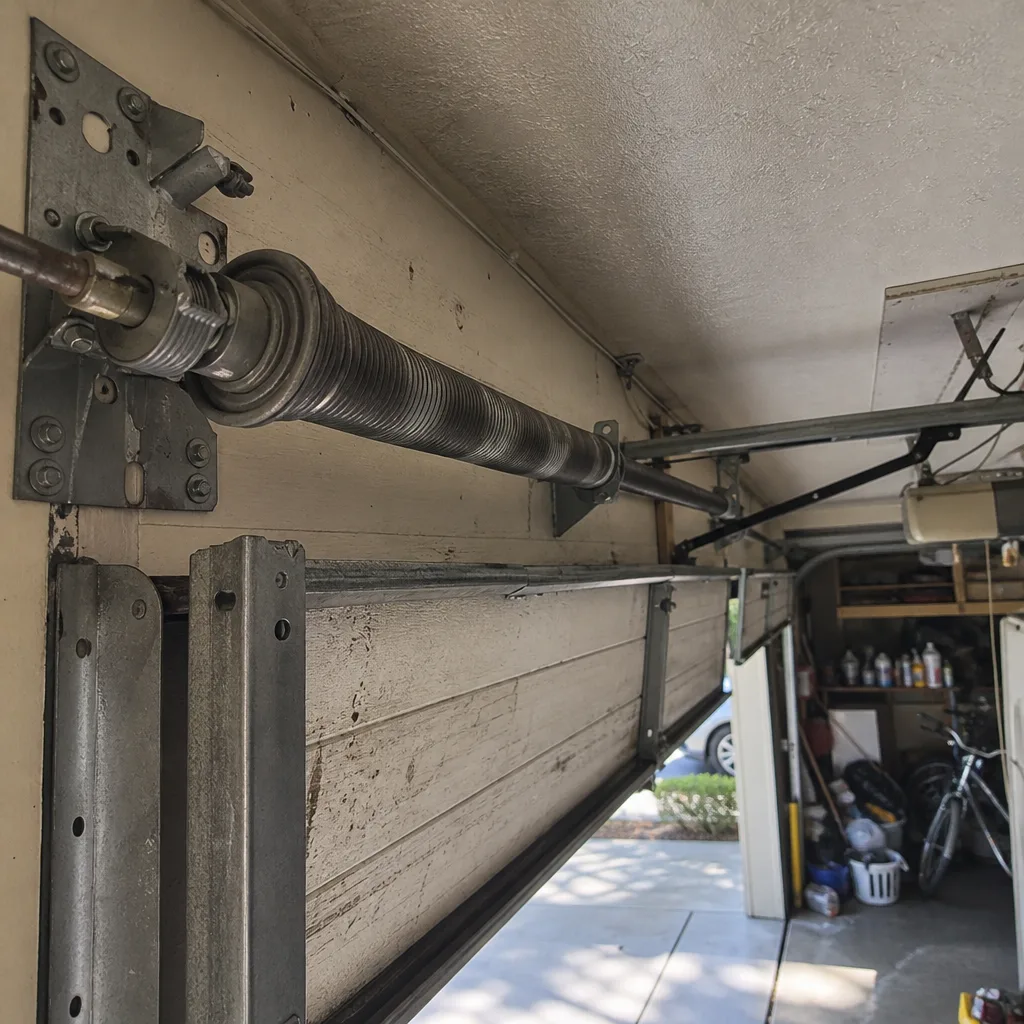 Before
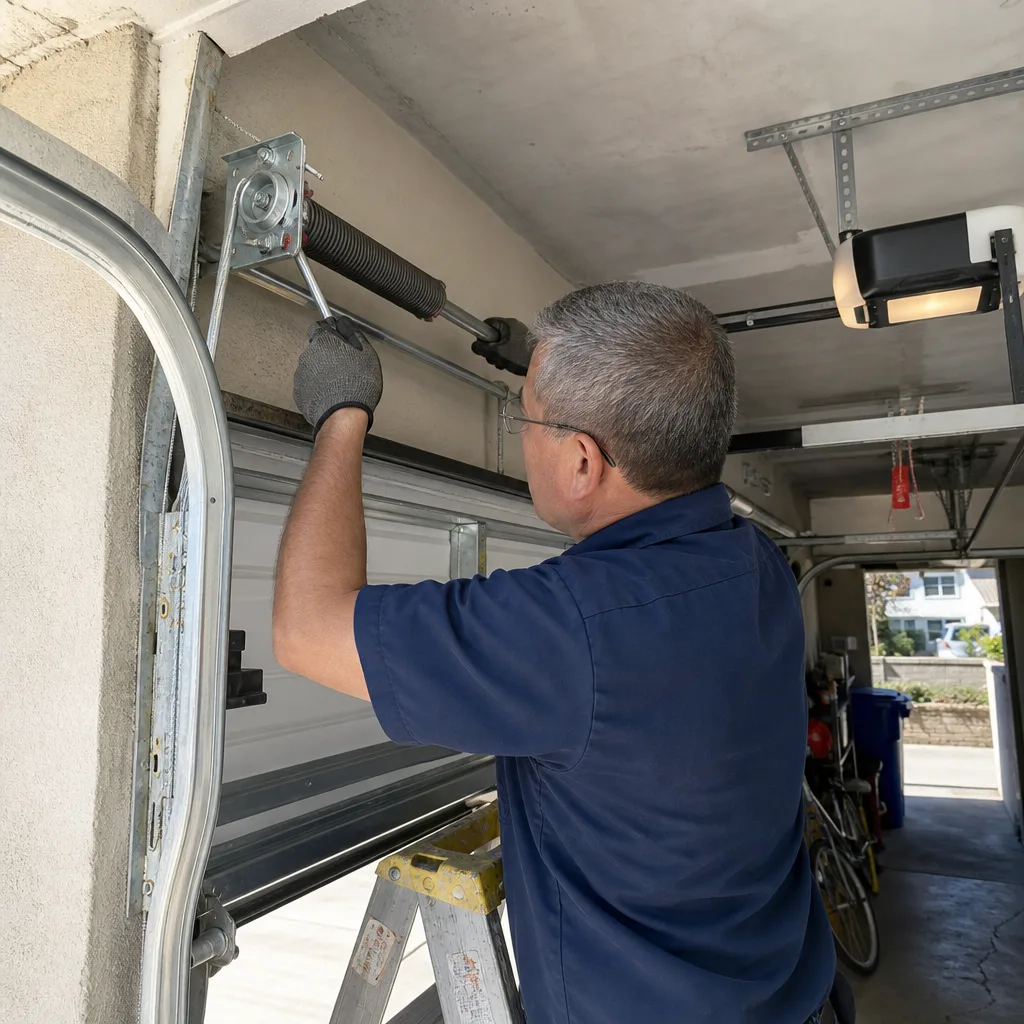 After
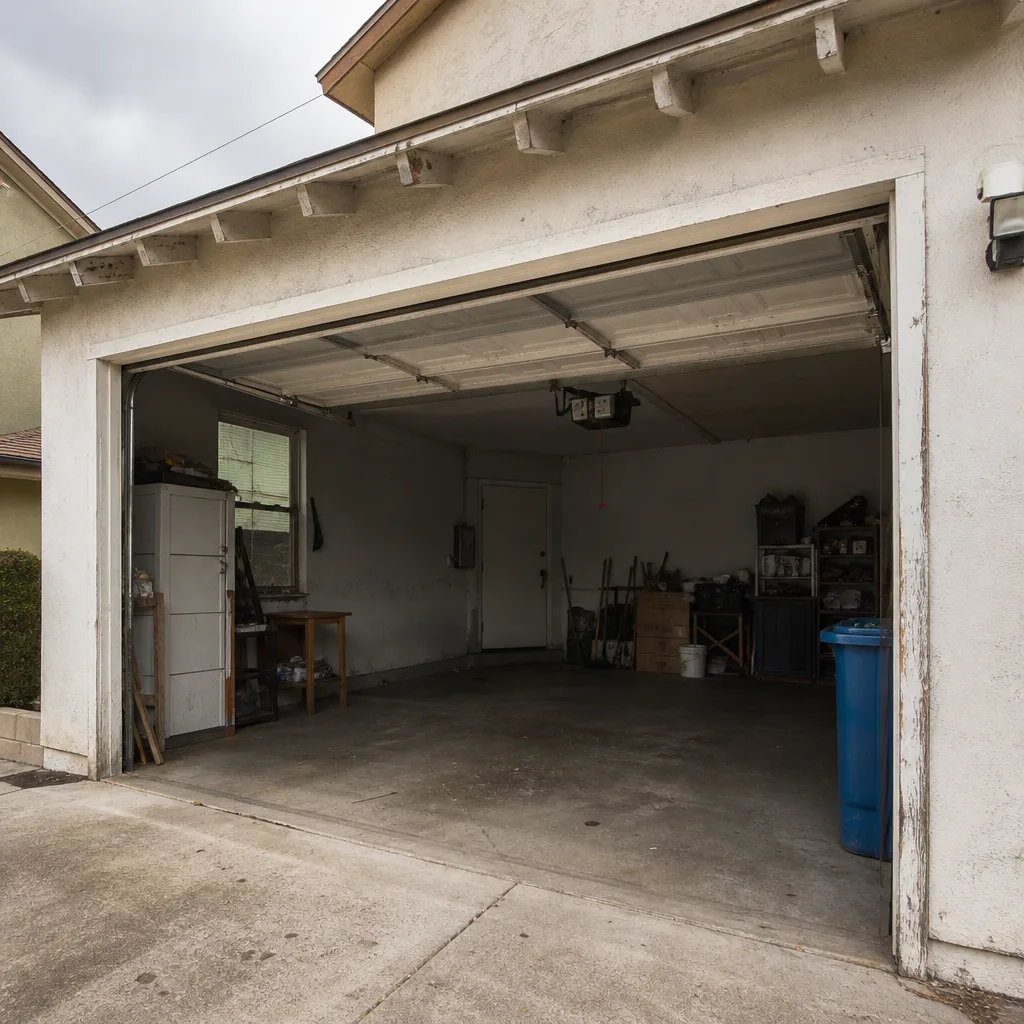 Before
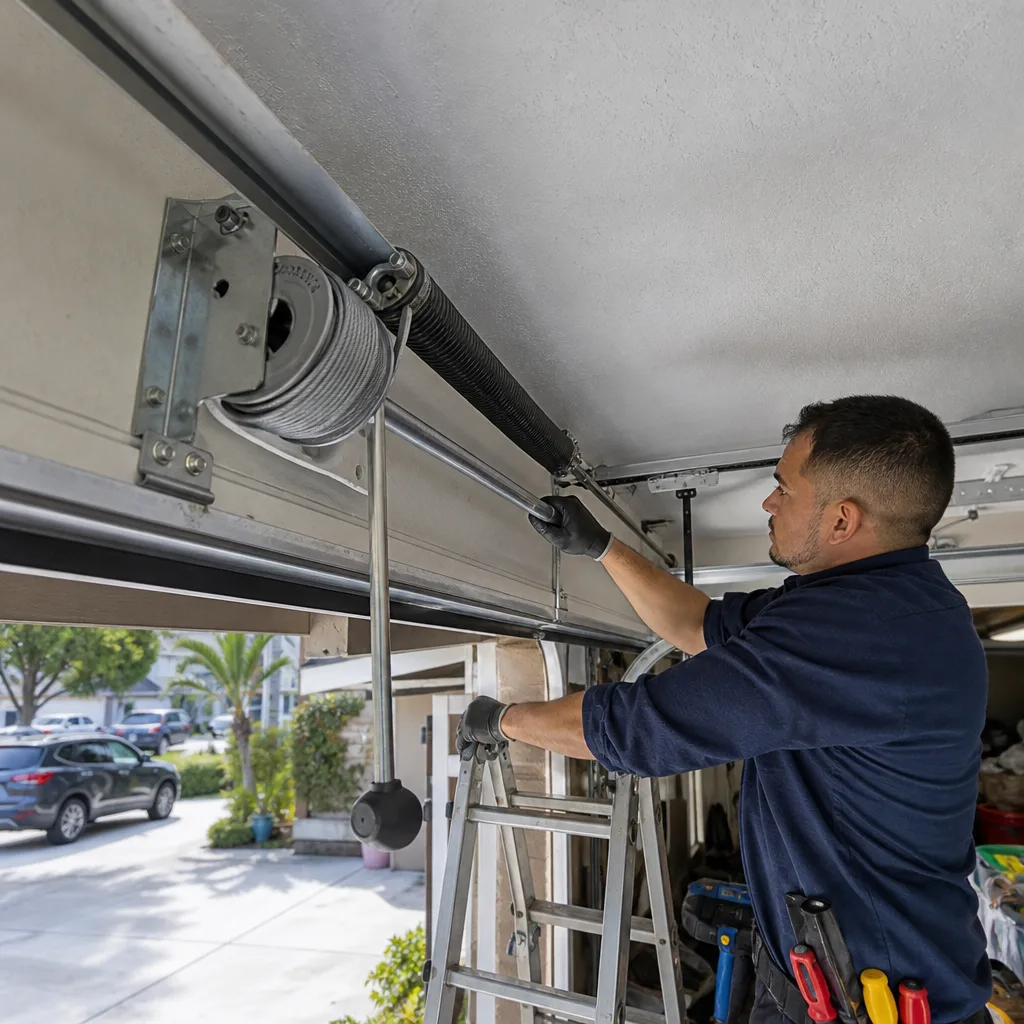 After
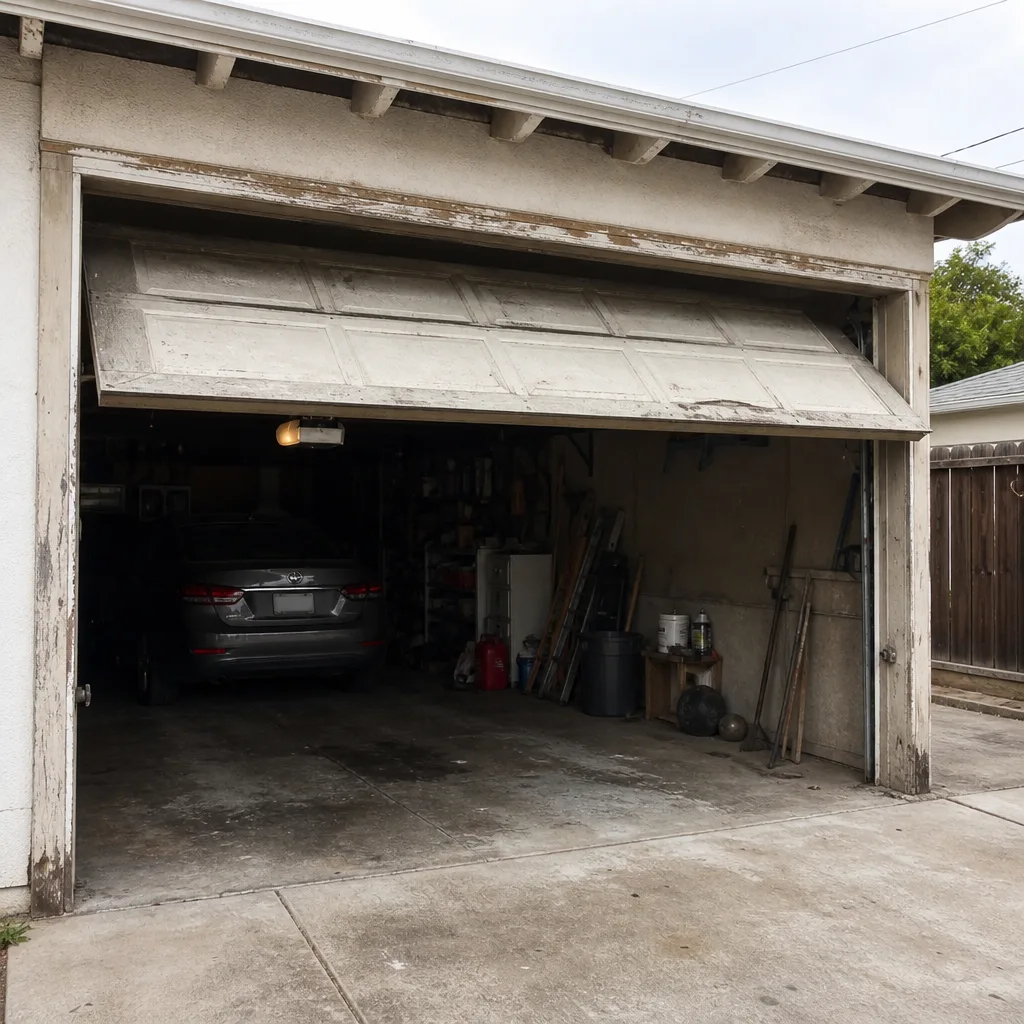 Before
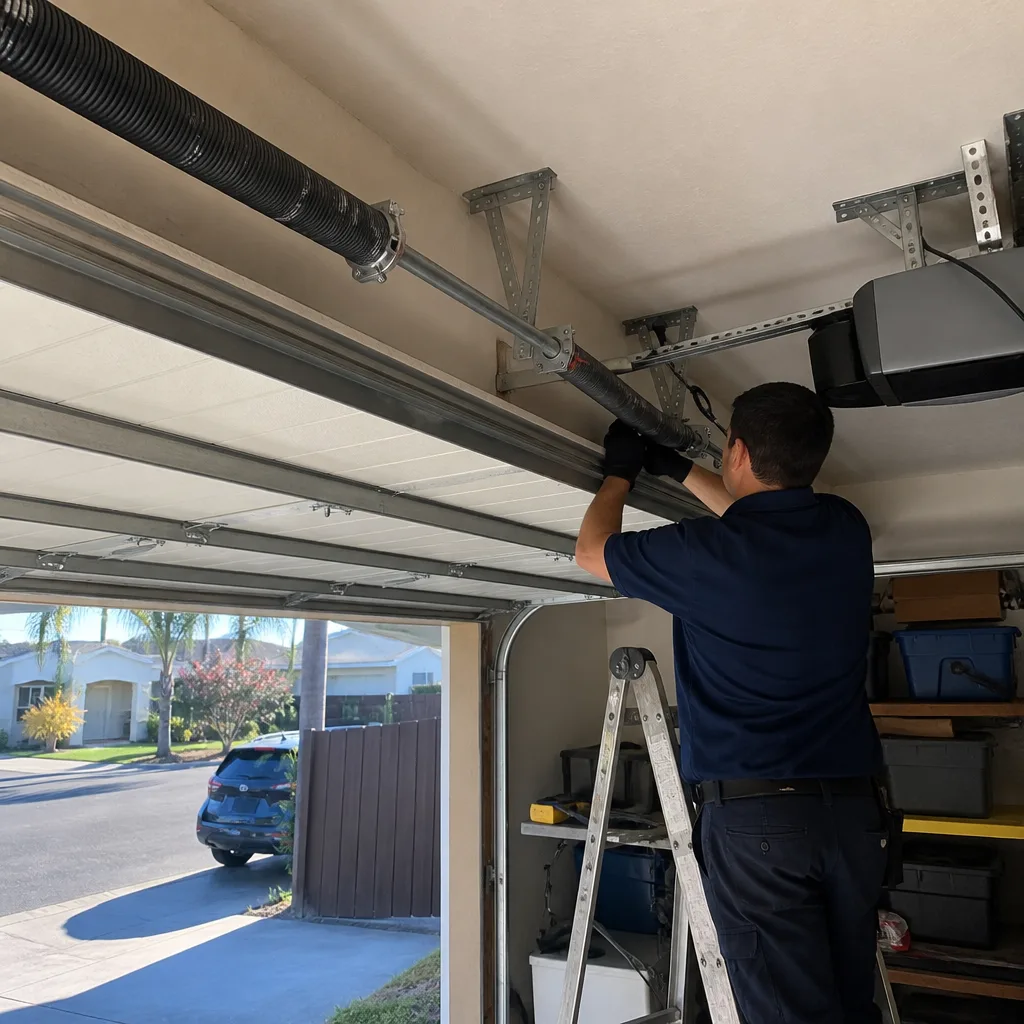 After