
Last updated November 3, 2026
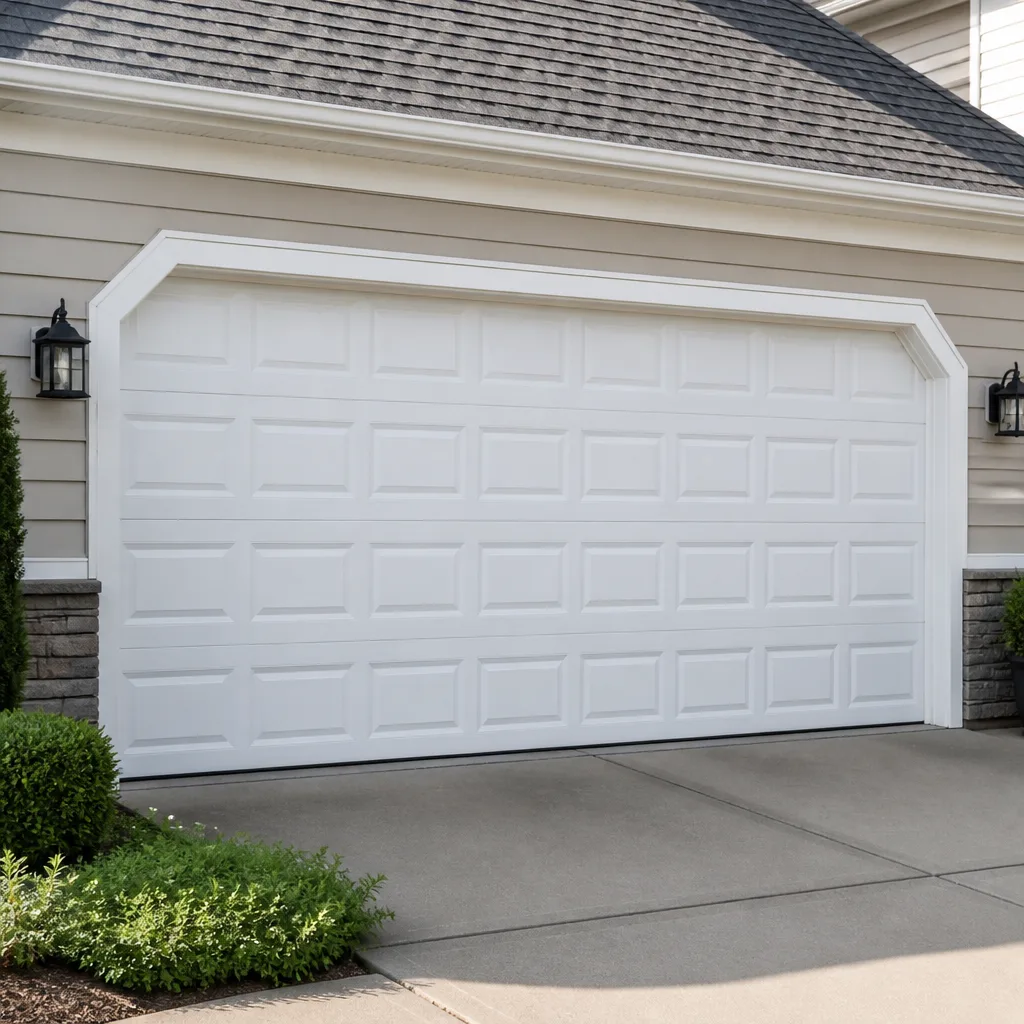 Raised-panel steel
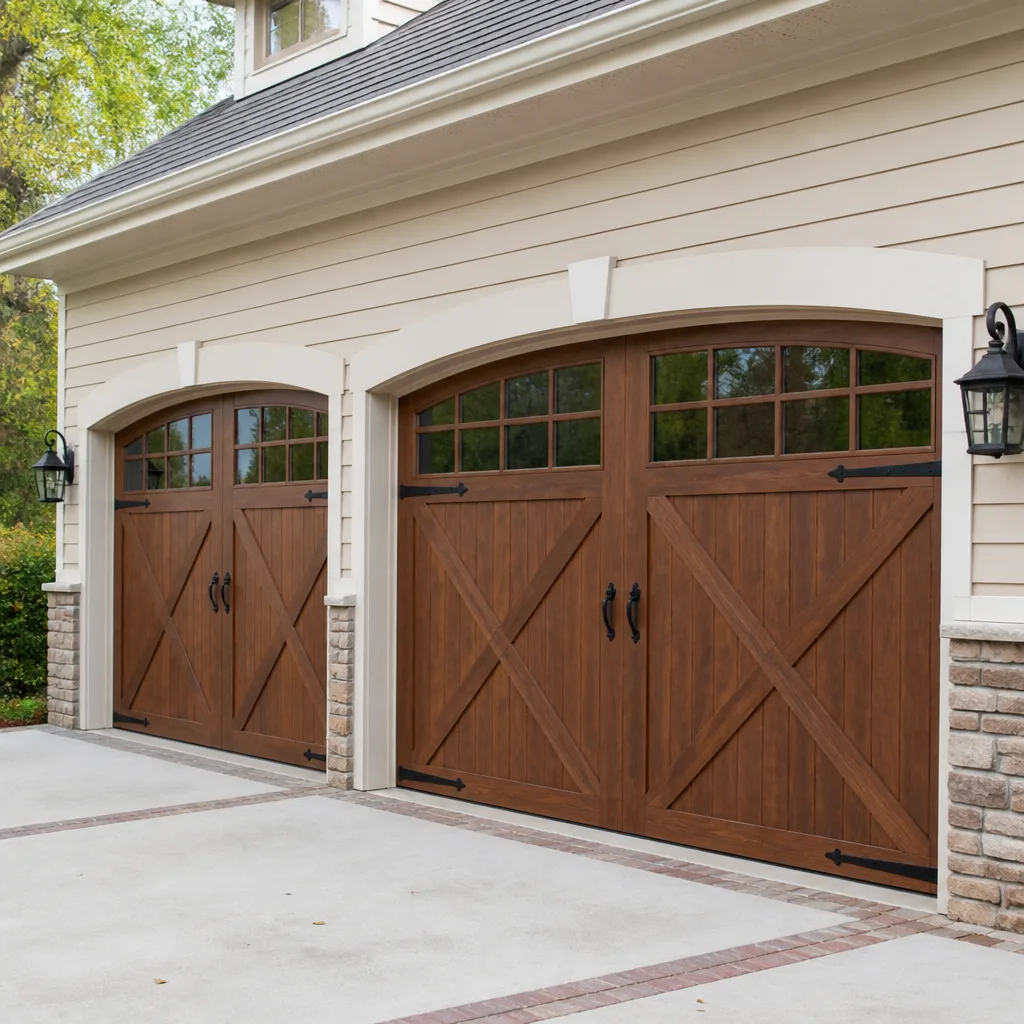 Carriage house
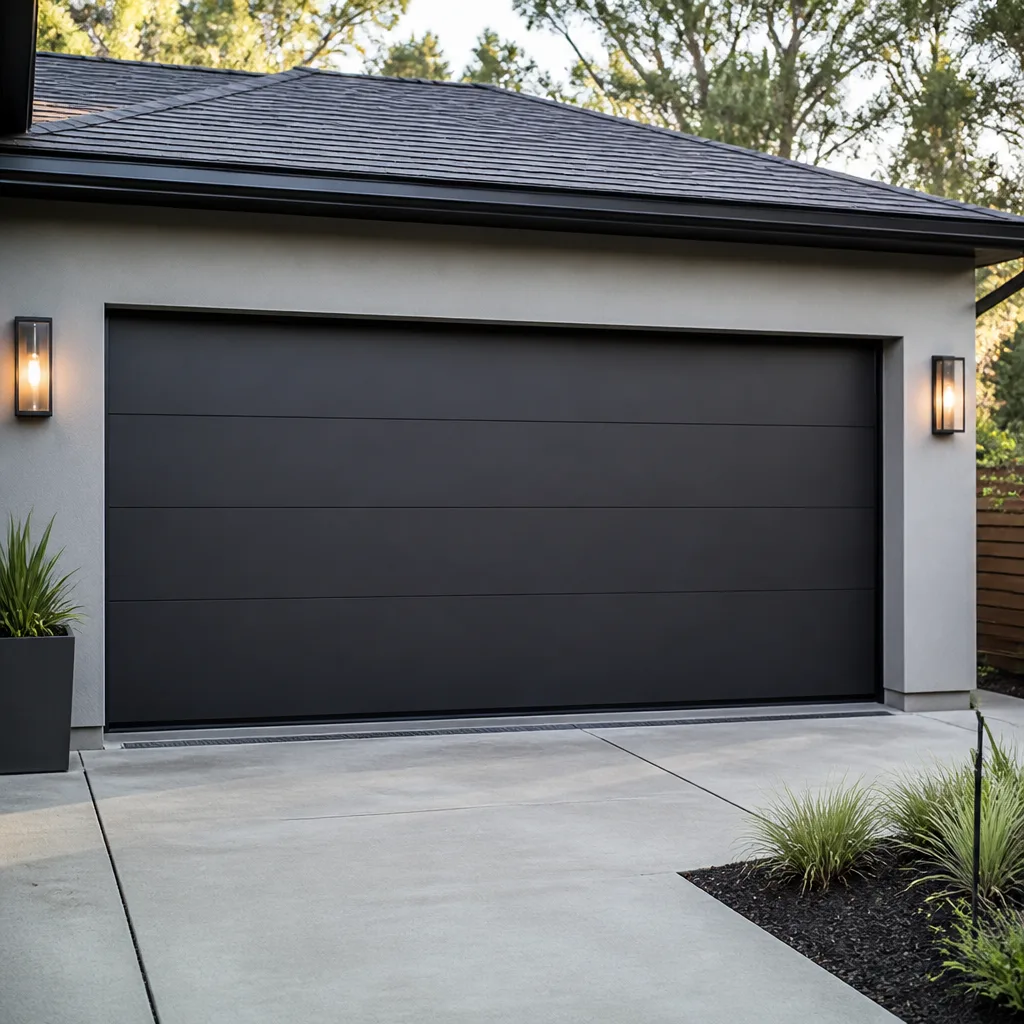 Modern flush
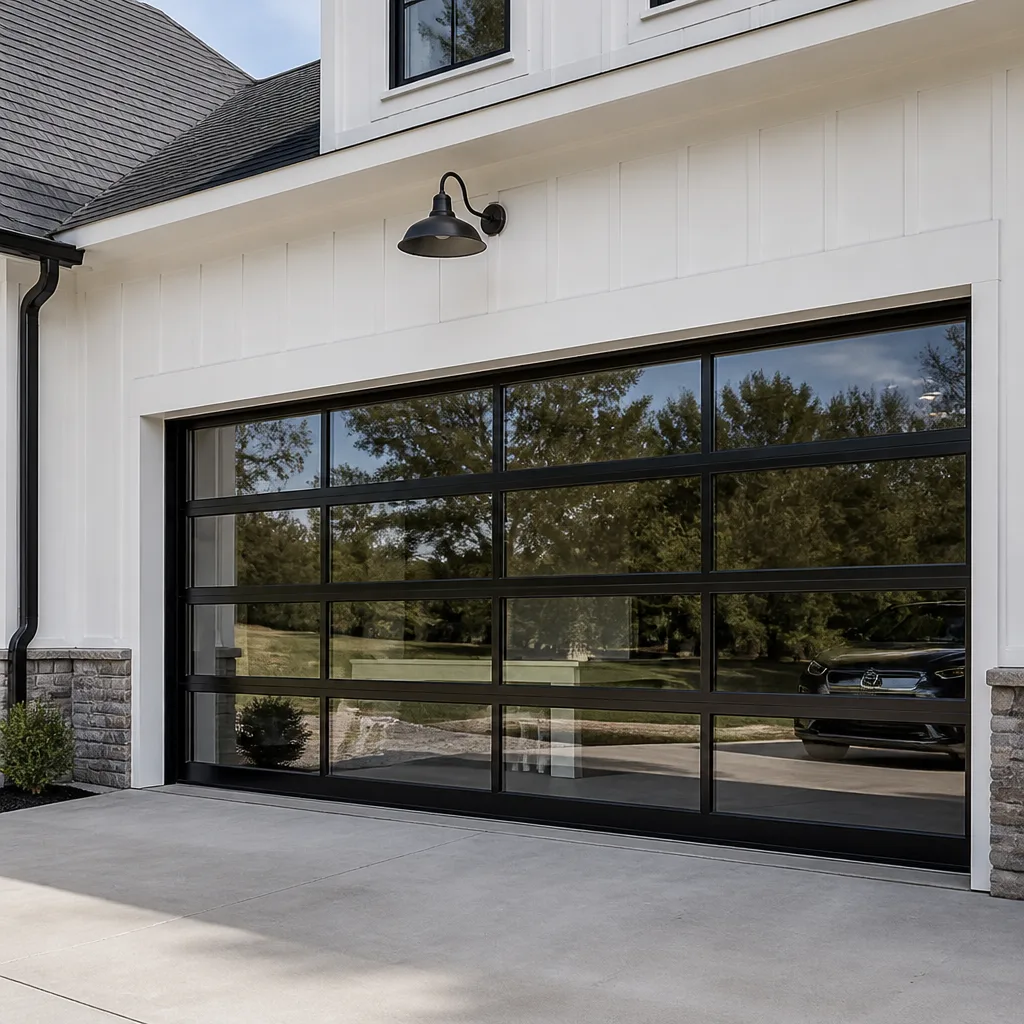 Full-view glass
 LiftMaster openers
 Chamberlain openers
Full 25-point door and opener safety check with every visit - springs, cables, rollers, tracks, and your LiftMaster or Chamberlain opener included
You get a price before we start. It does not change when the truck arrives.
Get your free estimateSeasonal Garage Door Care for Pacific Beach: Year-Round Homeowner’s Guide
June gloom isn’t just overcast skies. It’s weeks of sustained coastal moisture that quietly accelerates rust inside spring coils and swells wooden door panels that were perfectly fine in April. Most Pacific Beach homeowners don’t think about their garage door until it stops working, but the marine layer, Santa Ana winds, and salt-laden winter rain each stress different components in predictable ways. This guide covers what actually happens to garage doors in Pacific Beach, season by season, and what you can do before each climate shift hits. You’ll learn which months demand specific attention, what to inspect yourself, and when a problem needs a trained hand.
Quick Answer
Seasonal garage door care in Pacific Beach means adapting your maintenance calendar to coastal moisture cycles, not textbook seasons. The most important tasks are: lubricating and inspecting metal hardware before June gloom arrives, checking door balance before Santa Ana wind season, protecting opener circuit boards during peak summer heat, and cleaning salt residue off bottom seals after winter rain events. Most maintenance takes under 30 minutes per season and prevents the majority of failures we see in Pacific Beach; for deeper troubleshooting, see The Complete Garage Door Repair Guide for Pacific Beach Homeowners.
Styles & brands we work with
- Raised-panel steel
- Carriage house
- Modern flush
- Full-view glass
- LiftMaster openers
- Chamberlain openers
Table of Contents
- June Gloom: What Coastal Moisture Does to Your Garage Door
- Santa Ana Wind Season: Why Door Balance Matters More
- Peak Summer Heat: Protecting Your Opener’s Circuit Board
- Winter Prep for Pacific Beach: Salt, Rain, and Bottom Seals
- A Seasonal Maintenance Calendar Built for PB’s Climate
- What You Can Do Yourself vs. When to Call a Specialist
- Common Mistakes to Avoid
- When to Call a Professional
- Frequently Asked Questions
June Gloom: What Coastal Moisture Does to Your Garage Door
Pacific Beach sits close enough to the water that May and June bring weeks of overcast mornings, drizzle, and humidity levels that hover above 80 percent for hours at a stretch. That moisture doesn’t just fog your windshield. It settles into every exposed metal surface on your garage door system, including torsion springs, roller brackets, hinges, and the opener rail.
Here’s what we see most often in Pacific Beach during and after June gloom:
- Spring coil rust: Torsion springs are under constant tension. When surface rust forms on the coils, it creates friction points that accelerate metal fatigue. A spring that rusts evenly across its surface will eventually snap, and June gloom is the season that starts the process. If your springs look orange-brown anywhere on the coil surface, they’re entering the wear phase.
- Roller bearing degradation: Metal rollers with unsealed bearings collect moisture. Once bearings corrode, the roller stops spinning freely and starts dragging along the track. You’ll hear a grinding or scraping noise that wasn’t there in April.
- Wooden panel swelling: If your Pacific Beach home still has an original wood door, sustained humidity causes the panels to absorb moisture and expand. The door may bind against the jamb or scrape the track. Once summer heat dries the wood back out, the panels can crack or warp permanently.
- Hinge and bracket squeaks: Hinges aren’t lubricated from the factory in most cases. Coastal moisture wicks into hinge pins and creates a dry-metal squeak that tells you lubrication is overdue.
What to Do Before June Gloom Hits
- Lubricate every moving metal part in late April or early May. Use a lithium-based or silicone spray designed for garage doors. Apply it to torsion spring coils, hinge pins, roller bearings (if accessible), and the opener rail. Do not use WD-40. It’s a solvent, not a lubricant, and it strips the existing protective film.
- Inspect springs for early rust. If you see rust starting, don’t scrape it off aggressively. Light surface rust can be slowed with lubricant. Deep pitting or flaking means the spring is nearing the end of its service life. A replacement spring in Pacific Beach is far cheaper than the damage caused by a snapped one.
- Wipe down exposed hardware on the first clear afternoon after a fog bank. A dry cloth removes salt and moisture before it bonds to the metal. This takes five minutes and does more than most homeowners realize.
- Check wood panels for swelling. Look for paint bubbling, visible gaps at the seams, or the door scraping when it opens. If you catch swelling early, a humidity-resistant sealant can protect the panels before summer heat causes cracking.
If you’re not sure what your springs should look like, a quick visual inspection by a specialist is a good way to establish a baseline. We work on garage door repair in Pacific Beach year-round, and June is when we start fielding calls about springs that were rusting quietly for weeks before they gave out.
Santa Ana Wind Season: Why Door Balance Matters More
Santa Ana winds arrive in Pacific Beach between September and February, pushing dry desert air toward the coast at sustained speeds that regularly exceed 25 mph with gusts twice that. Most homeowners think of Santa Anas as a fire risk. For your garage door, the problem is different: sustained pressure against the face of a 7-foot-wide panel creates lateral stress that an unbalanced door can’t handle.
Here’s the physics. A properly balanced garage door is tensioned so the springs carry most of the door’s weight through the entire travel cycle. When balance is off, even by 10 or 15 pounds, the door wants to drift. Add a 40 mph gust pushing against the panel, and that drift becomes a violent rattle. Doors that were marginally unbalanced all summer suddenly slam, shake, and strain their rollers, hinges, and opener gears during Santa Ana events.
How to Test Door Balance Before Wind Season
- Close the door and pull the emergency release cord. This disconnects the door from the opener. Do this only when the door is fully closed to avoid a sudden fall.
- Lift the door manually to the halfway point. It should stay roughly in place when you let go. If it drops more than a few inches, the springs are under-tensioned. If it rises on its own, they’re over-tensioned.
- Watch for side-to-side movement. Open and close the door manually a few times. If one side leads or the door wavers in the tracks, you have a cable or spring issue that wind will amplify.
Important safety note: Never adjust torsion springs yourself. The springs on a standard residential door carry hundreds of pounds of tension, and an improper adjustment can cause serious injury. The balance test above is safe to perform; adjustment is not. If your door fails the test, call a specialist who works with your specific setup, whether it’s a Wayne Dalton torsion system or a LiftMaster opener. We handle garage door opener repair in Pacific Beach alongside door balancing, so we can address both the mechanical door and the opener in a single visit if the wind has already done damage.
Peak Summer Heat: Protecting Your Opener’s Circuit Board
Pacific Beach doesn’t hit the triple digits that inland San Diego sees, but August and September afternoon temperatures in uninsulated garages routinely reach 110 to 120 degrees. That’s enough to damage opener electronics over time.
Garage door openers are controlled by a circuit board that converts wall power into the signals that drive the motor and respond to remotes. Circuit boards degrade under sustained heat because capacitors, the small cylindrical components that store and release electrical charge, are rated for operating temperatures typically between 85 and 105 degrees. When a garage interior exceeds that threshold for weeks at a time, capacitors swell, leak, or fail. The result is an opener that works intermittently, stops responding to remotes, or dies entirely.
We replace more opener boards in September than any other month of the year in Pacific Beach. Here’s what actually helps:
- Check your garage ventilation between 2 and 4 p.m. on a hot day. If the air feels noticeably hotter than outside, you need airflow. A passive vent in the wall or a vent-equipped access door can lower interior temperature by 10 to 15 degrees, which is often the difference between a board that lasts five years and one that lasts twelve.
- Leave the garage door open for one hour after parking. Car engines radiate heat for 30 to 45 minutes after shutoff. Trapping that heat in a closed garage bakes the opener unit mounted directly above. Even one hour of ventilation makes a measurable difference.
- Don’t mount anything heavy on the opener unit. Homeowners sometimes use the opener housing as a shelf for boxes, which blocks the unit’s passive heat dissipation slots and insulates the board. The housing needs open air on all sides.
- If your opener is over 10 years old, consider the heat exposure history. A Chamberlain or Genie opener that’s been cooking in a Pacific Beach garage for a decade may still work, but components are nearing failure. The cost to replace a board on an older unit often approaches the cost of a new opener, so it’s worth comparing.
If your opener has started acting up in August, don’t wait. Intermittent operation is usually the board giving you warning signs before complete failure. A garage door installation in Pacific Beach doesn’t have to mean the door itself. We regularly replace openers on existing doors when the board has cooked and the unit isn’t worth repairing.
Winter Prep for Pacific Beach: Salt, Rain, and Bottom Seals
Pacific Beach gets most of its annual rainfall between December and March. It’s not a lot by national standards, but it arrives with a distinct characteristic: airborne salt. When winter storms sweep in from the Pacific, rain droplets carry dissolved sea salt that deposits on every exposed surface as the water evaporates. Your garage door’s bottom seal, the rubber strip along the lower edge that keeps water and debris out, is ground zero for that salt deposition.
Salt does two things to a bottom seal. First, it dries out the rubber compound, causing it to become stiff and crack. Second, it bonds with moisture and creates a corrosive film that eats away at the metal retainer track that holds the seal in place. Once the retainer rusts, the seal falls out, and your garage starts taking on water at the threshold during heavy rain.
Winter Maintenance Steps for Pacific Beach Homes
- Flush the bottom seal with fresh water after every significant rain event. Don’t just wipe it. A garden hose on a low setting rinses salt deposits out of the rubber’s pores. This one habit extends seal life by years in a coastal environment.
- Inspect the retainer track for rust in January. Look under the door with a flashlight. If the metal channel that holds the seal shows orange staining, ask a specialist about replacing the track before it fails. Catching it at the staining stage saves the cost of a full bottom bracket replacement later.
- Check weatherstripping around the sides and top of the door. The vertical and horizontal strips compress over time. When they lose their flexibility, winter wind and rain push through the gaps, making your garage colder and wetter than it needs to be. Press the stripping with your thumb. If it doesn’t spring back, it’s time to replace it.
- Lubricate the spring coils again in late November. The June application has worn thin by winter, and the rain season is when rust accelerates.
- Test the auto-reverse safety feature on your opener. Cold weather and moisture can affect sensor alignment. Place a 2×4 flat on the ground under the door’s path and close the door. It should reverse on contact. If it doesn’t, the sensors or limit settings need attention.
Most winter issues in Pacific Beach are preventable with about 20 minutes of attention per month. The salt exposure is real, but it’s also manageable. In our experience, the homeowners who adopt a simple rinse-and-inspect routine after storms have dramatically fewer seal and hardware failures than those who ignore it until water starts pooling inside the door.
A Seasonal Maintenance Calendar Built for PB’s Climate
Generic maintenance calendars don’t work for Pacific Beach. They tell you to “prepare for freezing temperatures” in October, which is meaningless when your December lows are in the high 40s. Here’s a calendar that follows the actual climate patterns we deal with, month by month.
January – March: Rain and Salt Season
- Flush bottom seal with fresh water after every rain event
- Inspect retainer track for rust
- Check weatherstripping compression
- Test auto-reverse safety feature
- Lubricate hinges if they’ve been exposed to repeated rain
April – Early May: Maintenance Window
- Full lubrication of springs, hinges, rollers, and rail
- Balance test (follow the steps in the Santa Ana section above)
- Visual inspection for rust forming on coils
- Clean photoelectric sensor lenses with a dry cloth
- Check for loose bolts on door brackets and opener mounting hardware
June – July: June Gloom Response
- Wipe down hardware on clear afternoons
- Inspect wooden panels for swelling if applicable
- Listen for new squeaks or grinding during operation
- Check that the opener’s force settings aren’t working harder than normal (a sign of moisture-related friction)
August – September: Heat Stress Period
- Check garage ventilation during afternoon peak heat
- Air out garage for one hour after parking
- Monitor opener for intermittent operation
- If opener is 10+ years old, budget for possible replacement
October – November: Pre-Wind and Pre-Rain Prep
- Re-run the balance test before Santa Ana season fully arrives
- Second lubrication of the year, focusing on spring coils
- Inspect cable condition for fraying
- Check bottom seal flexibility before winter rain starts
This calendar aligns with the actual stress cycles we’ve observed across hundreds of garage doors in Pacific Beach. If you follow it, you’ll catch most problems while they’re still cheap and simple to fix.
What You Can Do Yourself vs. When to Call a Specialist
Garage door maintenance splits cleanly into two categories: the tasks that are safe and straightforward for any homeowner, and the tasks that carry genuine risk if done wrong.
Safe DIY Tasks (No Specialized Tools Required)
- Lubricating springs, hinges, rollers, and rail with the right product
- Wiping down hardware and cleaning sensor lenses
- Flushing the bottom seal with water
- Checking weatherstripping and reporting what you find
- Running the balance test (pull release cord when door is closed, lift manually, observe)
- Testing auto-reverse with a 2×4
- Visual inspections for rust, fraying, loose bolts, and panel damage
Work for a Trained Specialist Only
- Torsion spring adjustment or replacement. Torsion springs are under extreme tension, and when they release, they can cause serious injury. We don’t recommend any homeowner attempt this regardless of experience level.
- Cable replacement. Cables connect the springs to the door and are equally tensioned. A snapped cable can whip with enough force to cause deep lacerations.
- Opener board diagnosis and replacement. Circuit boards require proper voltage testing and wiring to avoid creating a shock or fire hazard.
- Track realignment. Bent or misaligned tracks create uneven door travel that worsens every cycle and can cause the door to fall off the tracks entirely.
- Any repair on a door with a broken spring. Never attempt to open or service a door with a broken spring. The door is unbalanced and can drop suddenly.
Bison Garage Door Repair was built around a simple idea: this is the only trade we work in. Whether you have a Craftsman opener from the 1990s or a new Raynor door, we’d rather see you spend 20 minutes doing safe maintenance on a schedule than wait for a failure that costs ten times as much to fix. For help picking quality equipment, read Choosing the Right Garage Door Brand: A Buyer’s Guide for Pacific Beach. For everything on the specialist list, we’re the ones to call.
Common Mistakes to Avoid
- Using WD-40 on springs and rollers. WD-40 is a solvent that strips protective lubricant. It makes things move freely for about a week, then leaves the metal drier and more vulnerable than before. Use a proper lithium or silicone garage door lubricant.
- Ignoring a noisy door because “it still works.” That grinding or squealing sound is your door telling you something specific. Metal rollers with failed bearings, a dry rail, or rusted hinges all make distinct noises. The sooner you identify the source, the smaller the repair.
- Waiting until a spring snaps to think about replacement. Torsion springs have a rated cycle life, typically 10,000 cycles for standard springs. For a Pacific Beach home where the door cycles four to six times a day, that’s roughly 5 to 8 years. If your springs are approaching that age and showing rust, proactive replacement beats emergency replacement.
- Parking in the garage and closing the door immediately, every day, all summer. The heat from your engine block rises directly into the opener. One hour of ventilation after parking meaningfully reduces board temperatures.
- Assuming a wood door that swells in June is fine because it shrinks back in August. The swelling-shrinking cycle damages wood fibers over time. Each cycle creates micro-cracks that eventually cause panel splitting. Address the moisture issue before the damage accumulates.
- Forgetting the bottom seal exists until water pools inside the door. The bottom seal is the cheapest component on a garage door to replace and the most expensive to ignore. A failed seal lets water, salt, dust, and pests into your garage year-round, causing damage to everything else inside.
- Running the balance test with the door open instead of closed. Pulling the release cord while the door is open risks a rapid, uncontrolled fall if the springs are compromised. Always test balance with the door fully closed.
When to Call a Professional
Most maintenance tasks in this guide are safe for any homeowner willing to spend 20 minutes a season. But certain situations should never be handled without training. A snapped torsion spring, a frayed cable, a bent track, or an opener board that’s failing under heat are all problems where the repair itself carries risk. If your door won’t stay in place when you run the balance test, if you see exposed wire strands on a cable, or if your opener is making intermittent buzzing sounds without moving the door, stop using the system and call a specialist. Bison Garage Door Repair offers free estimates in Pacific Beach at (866) 282-5711. We’ll tell you what’s wrong, what it costs, and what actually needs to be done.
Frequently Asked Questions
Most homeowners spend $0 to $30 per season on DIY maintenance materials like lubricant and cleaning supplies. If you hire a professional for an inspection and tune-up, expect to pay between $75 and $150 for a full service visit in the Pacific Beach area. Proactive repair costs, like replacing rusted rollers or a worn bottom seal, typically run $100 to $300 depending on what needs replacing. Every price is quoted and agreed before we start any work. Call (866) 282-5711 for an exact quote. Estimates are free.
Twice a year minimum in Pacific Beach: once in late April or early May before June gloom, and once in late October or early November before winter rain. The coastal salt and humidity environment strips lubricant faster than inland climates. If you hear squeaking or grinding before the six-month mark, lubricate again.
Yes. The sustained humidity from May through July accelerates rust formation on torsion springs, roller bearings, hinges, and the opener rail. This is the single biggest environmental factor affecting garage door lifespan in Pacific Beach. Regular lubrication and hardware wiping during these months measurably extends component life.
No. Torsion springs are under hundreds of pounds of tension. An improperly handled spring can cause severe injury or death. Cable replacement carries the same risk. Even homeowners with substantial mechanical experience should not attempt spring work without professional training and the correct winding tools. This isn’t about difficulty; it’s about safety.
Intermittent operation during August and September is usually a sign of heat-related circuit board failure. Pacific Beach garages routinely exceed 110 degrees in the afternoon, and opener boards are only rated for temperatures around 100 degrees. The capacitors swell under sustained heat and eventually fail. The fix is board replacement on newer units or opener replacement on older ones.
Standard torsion springs are rated for about 10,000 cycles, which equates to 5 to 8 years for most Pacific Beach homes that cycle the door four to six times daily. Coastal moisture shortens that lifespan when rust accelerates metal fatigue. If your springs are over five years old and showing rust, start budgeting for replacement.
Yes. Our service vehicles carry the most common spring sizes, rollers, cables, bottom seals, and opener components so most repairs can be completed in a single visit. That includes parts for LiftMaster, Chamberlain, Genie, Clopay, Amarr, Wayne Dalton, Craftsman, and Raynor systems. Call (866) 282-5711 for free estimates and same-visit service in Pacific Beach.
The Bottom Line
Pacific Beach’s climate doesn’t follow the four-season template that most maintenance guides are built around. June gloom attacks your springs with moisture. Santa Anas stress an unbalanced door. Summer heat cooks your opener board. Winter rain deposits salt that eats bottom seals. Each of these is predictable, preventable, and cheap to address if you stay ahead of the cycle. Lubricate in April and October, run a balance test before wind season, ventilate your garage through August, and rinse the bottom seal after winter storms. That’s the whole playbook. For anything beyond it, call (866) 282-5711. Your door, fixed right. That’s the whole job. Explore more guides & resources to keep your garage door running smoothly year-round.
Written by the team at Bison Garage Door Repair, serving Pacific Beach since 2016.
See the difference
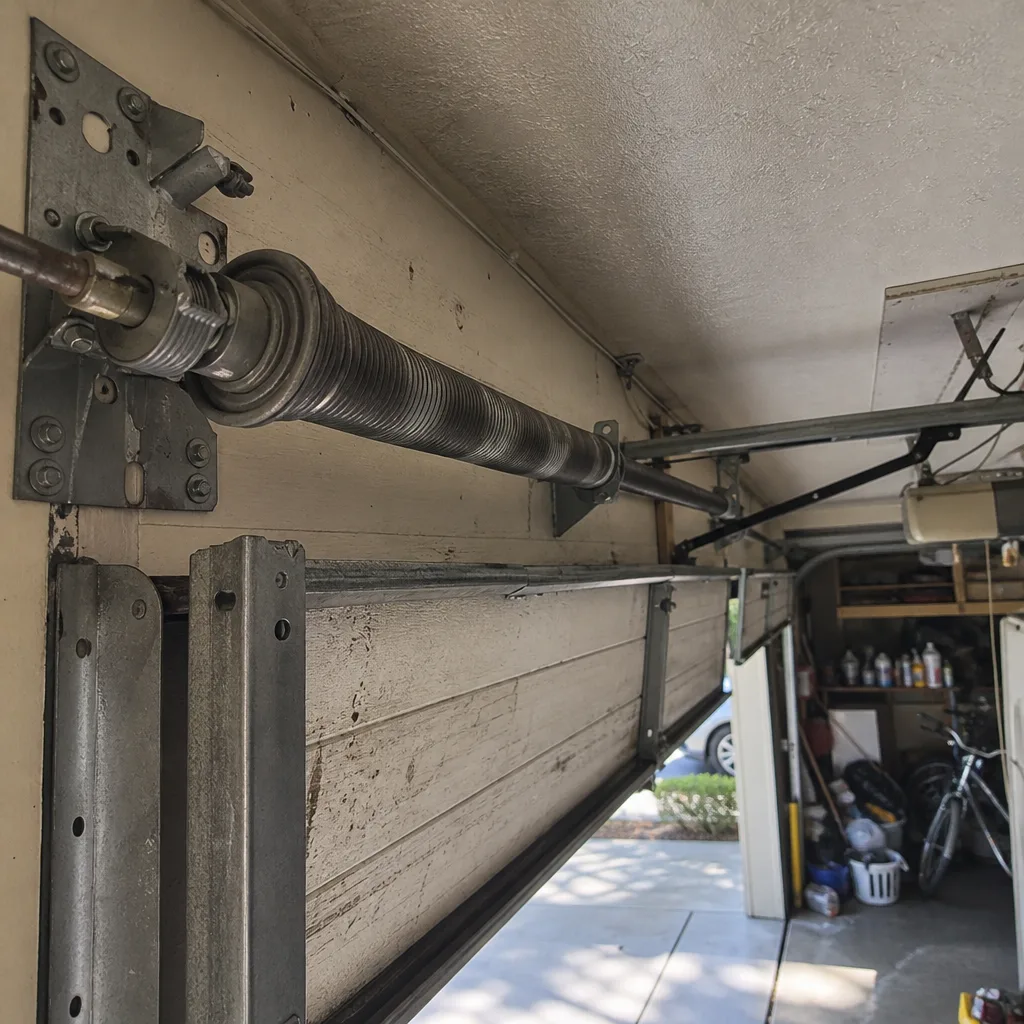 Before
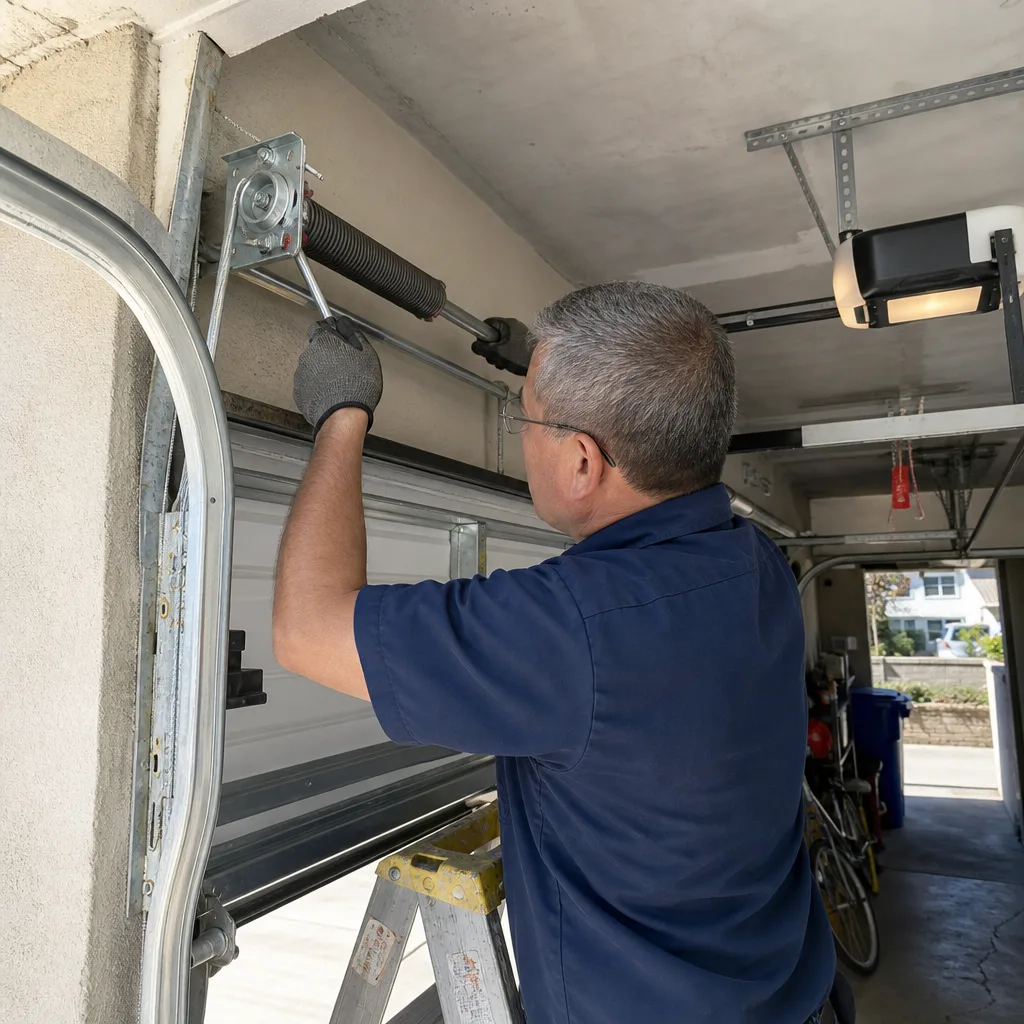 After
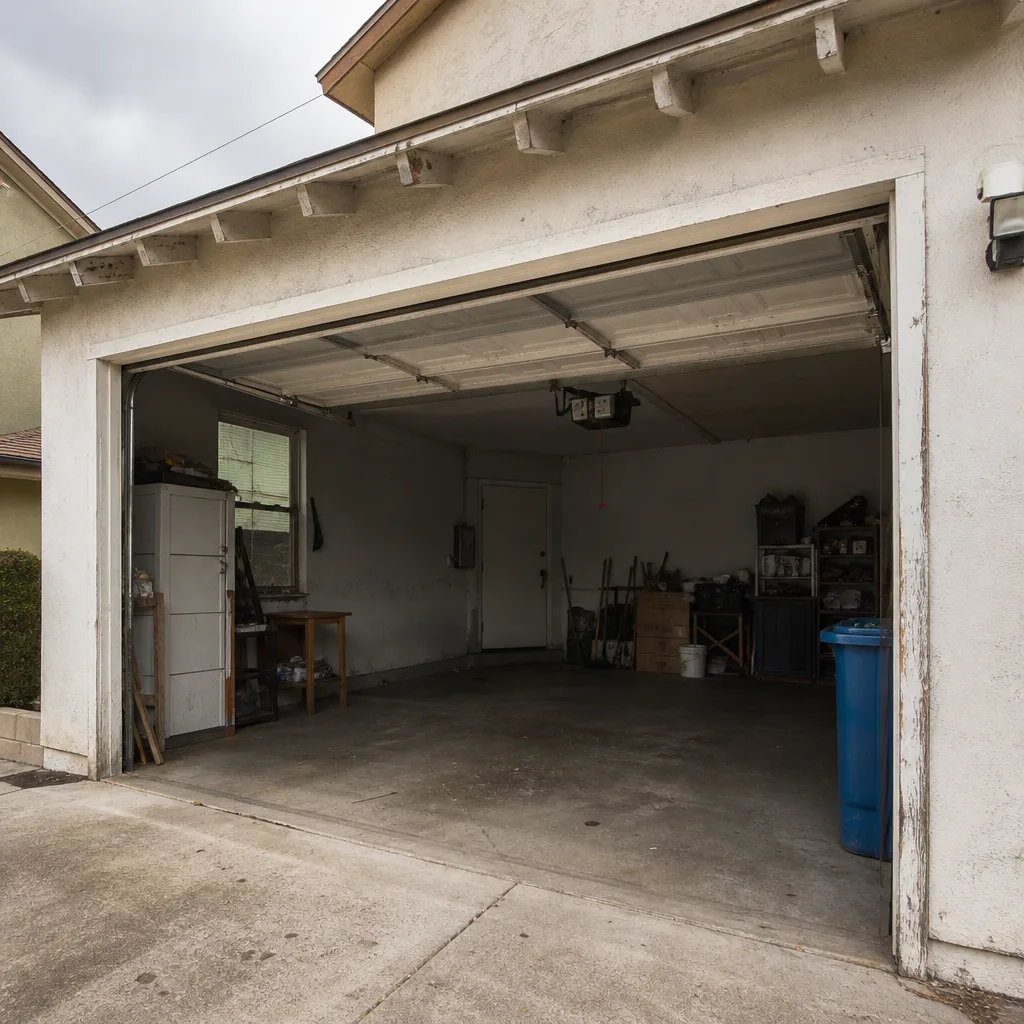 Before
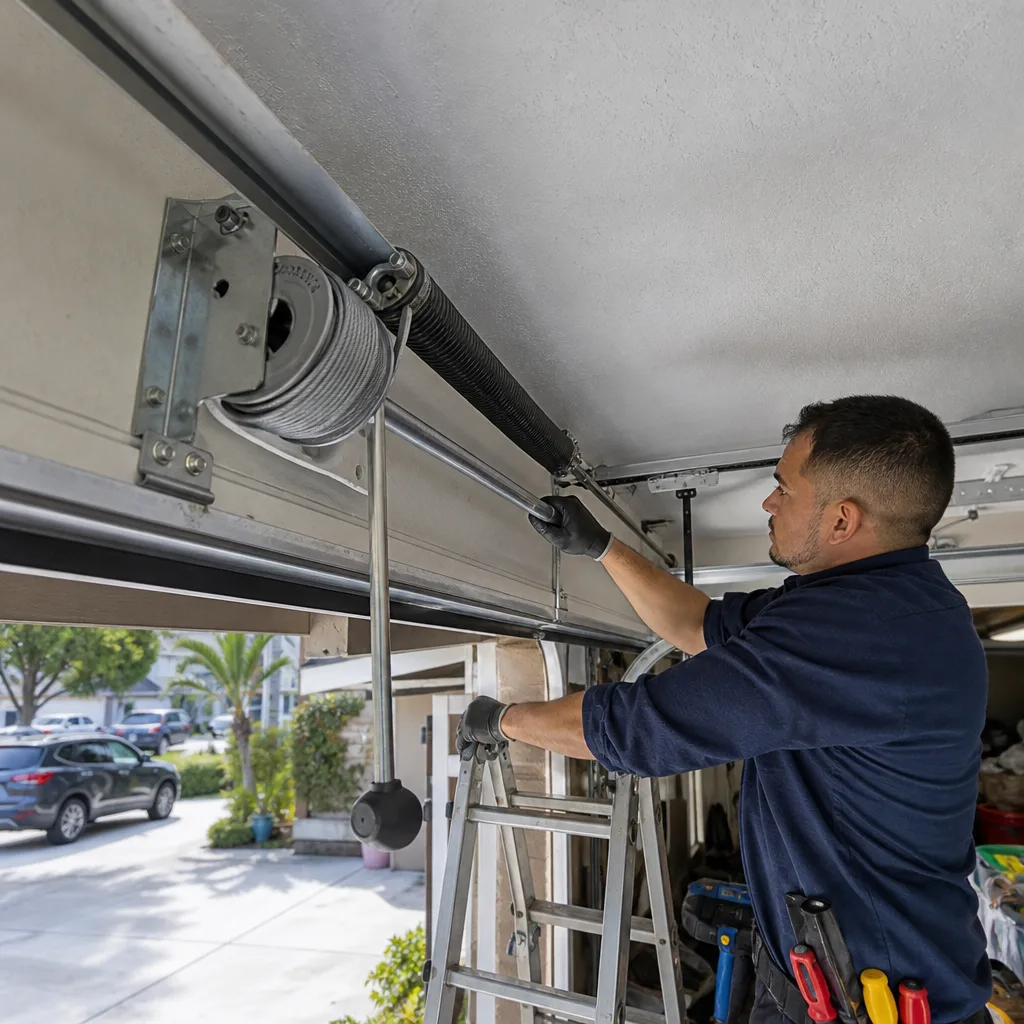 After
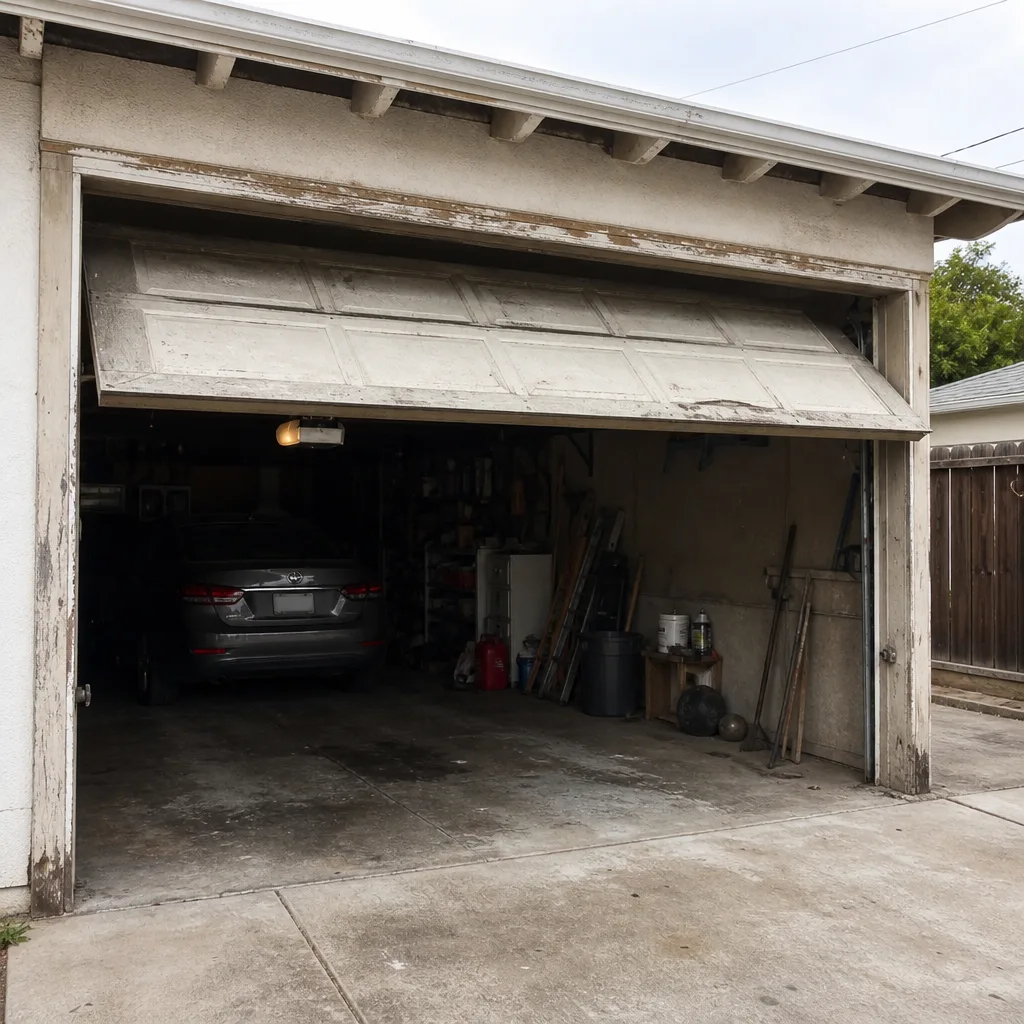 Before
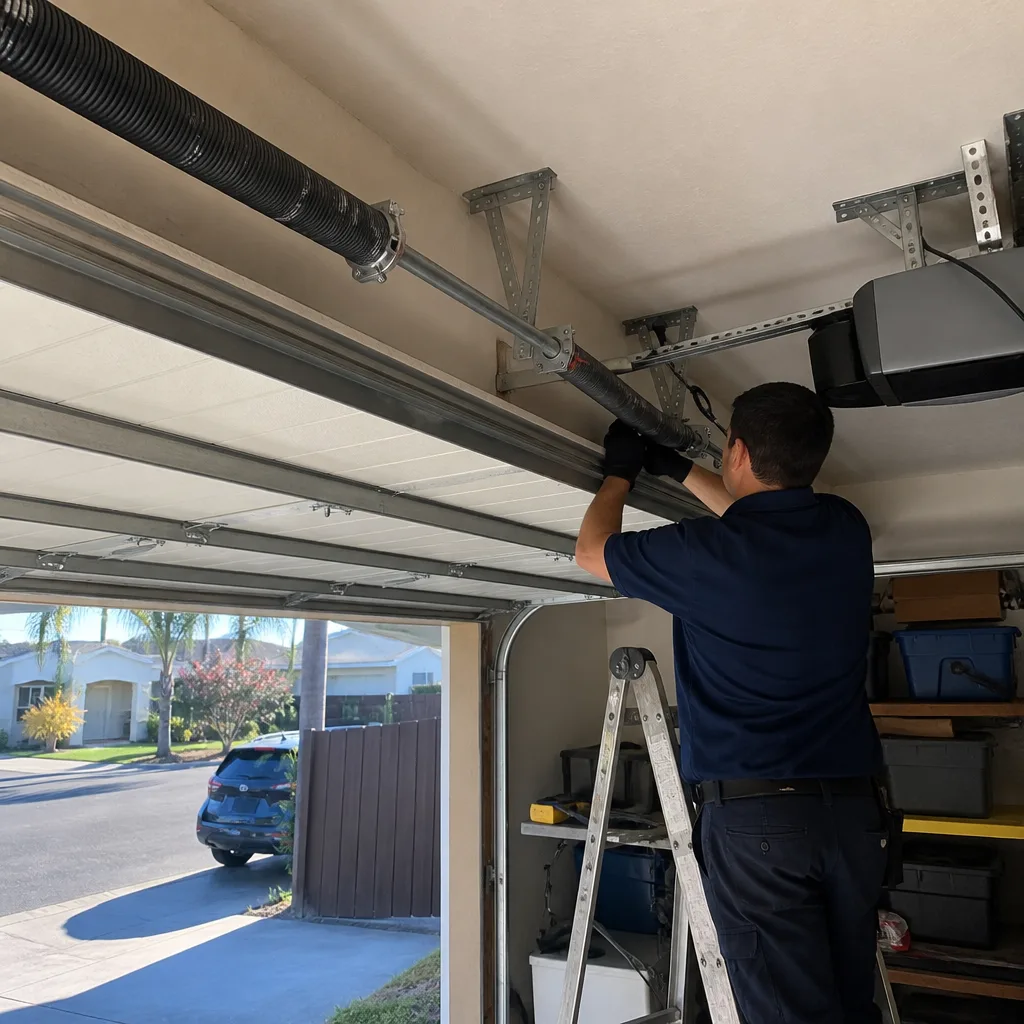 After