
Last updated November 3, 2026
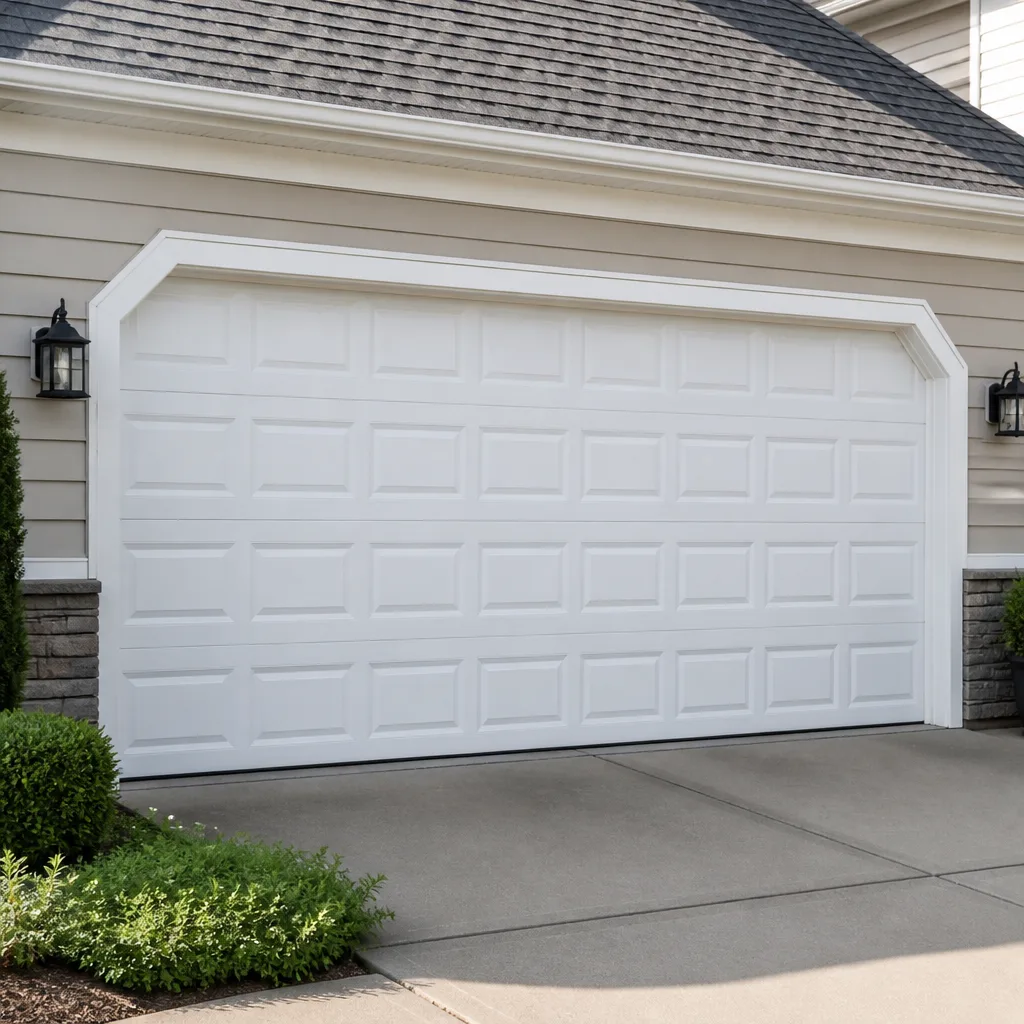 Raised-panel steel
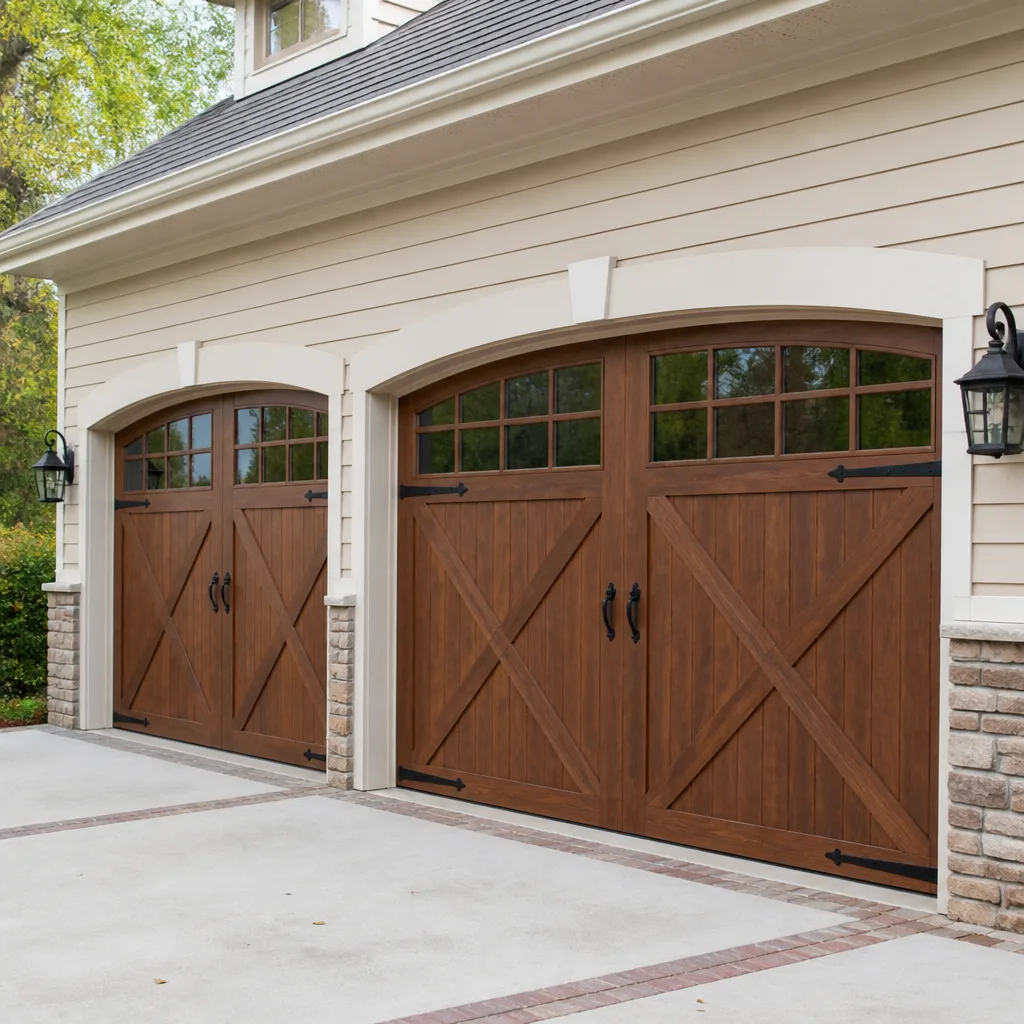 Carriage house
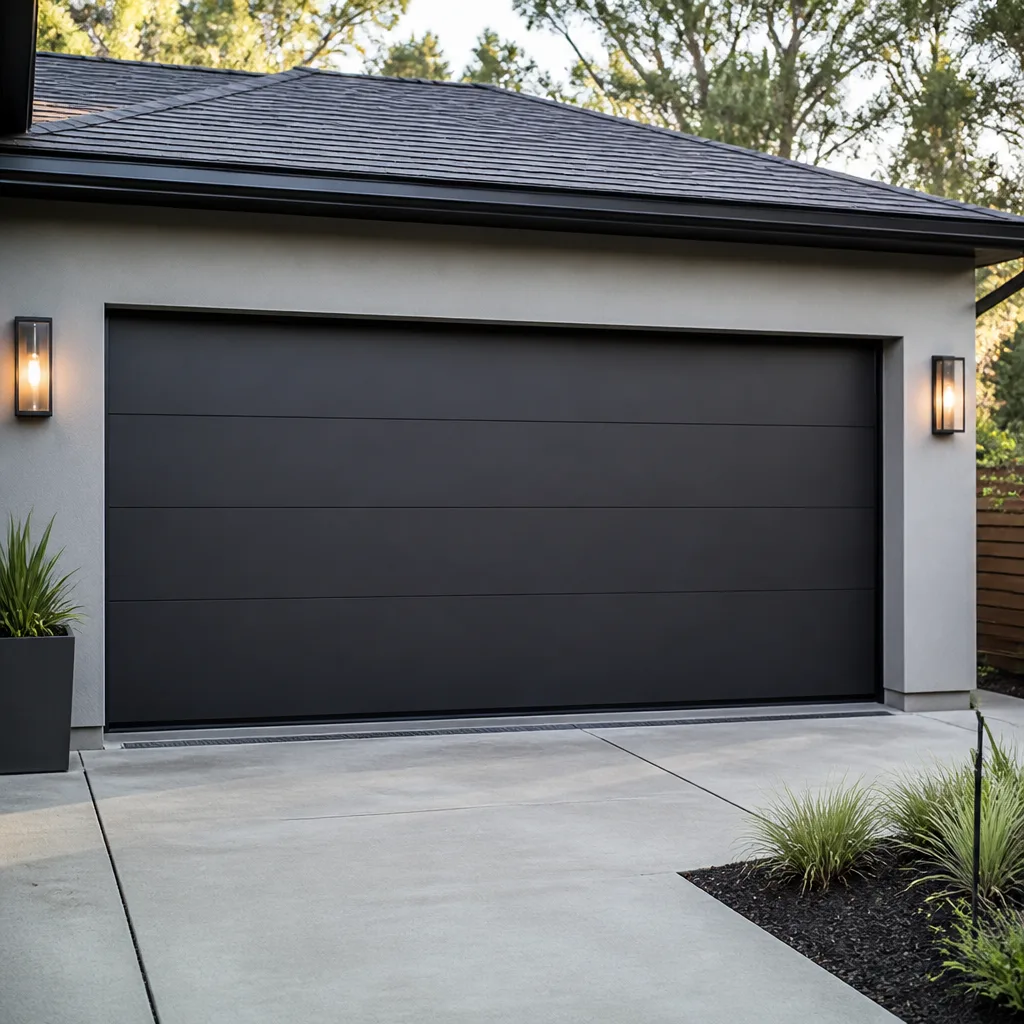 Modern flush
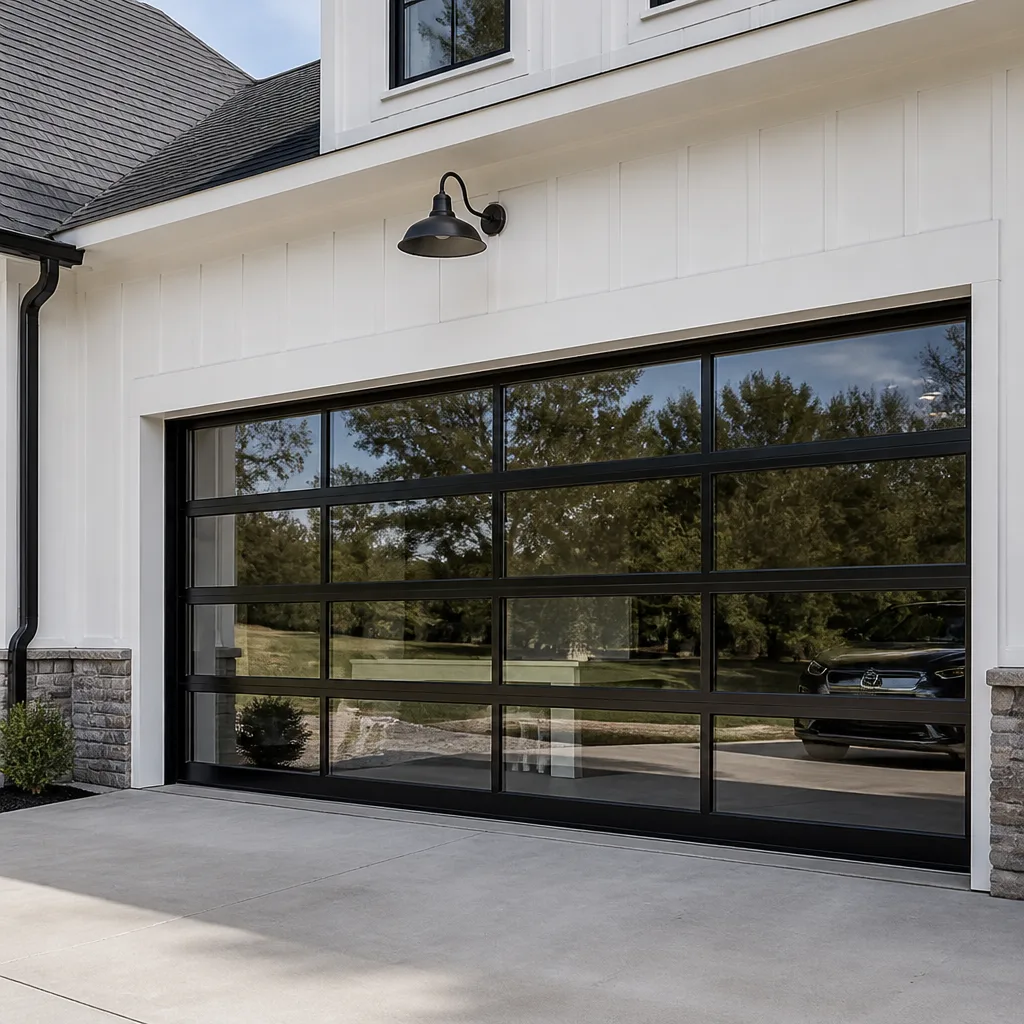 Full-view glass
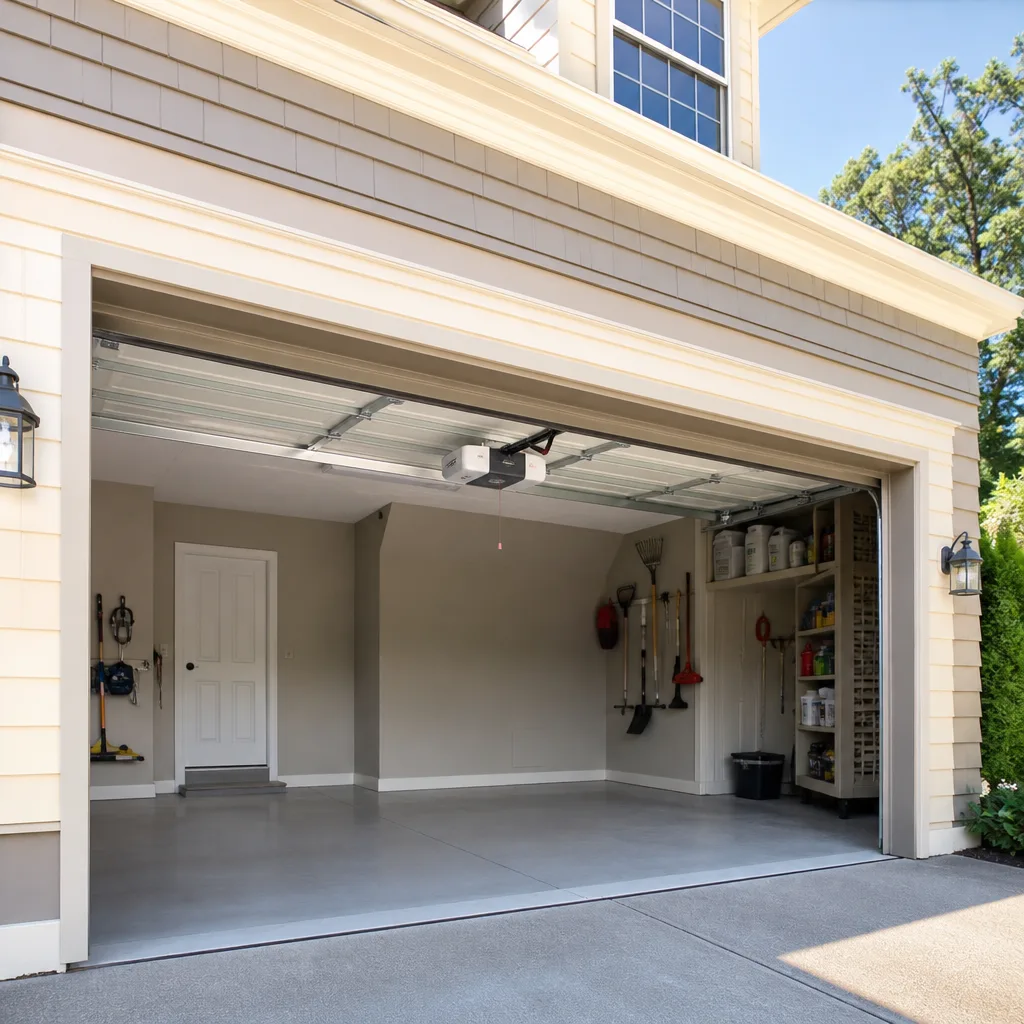 LiftMaster openers
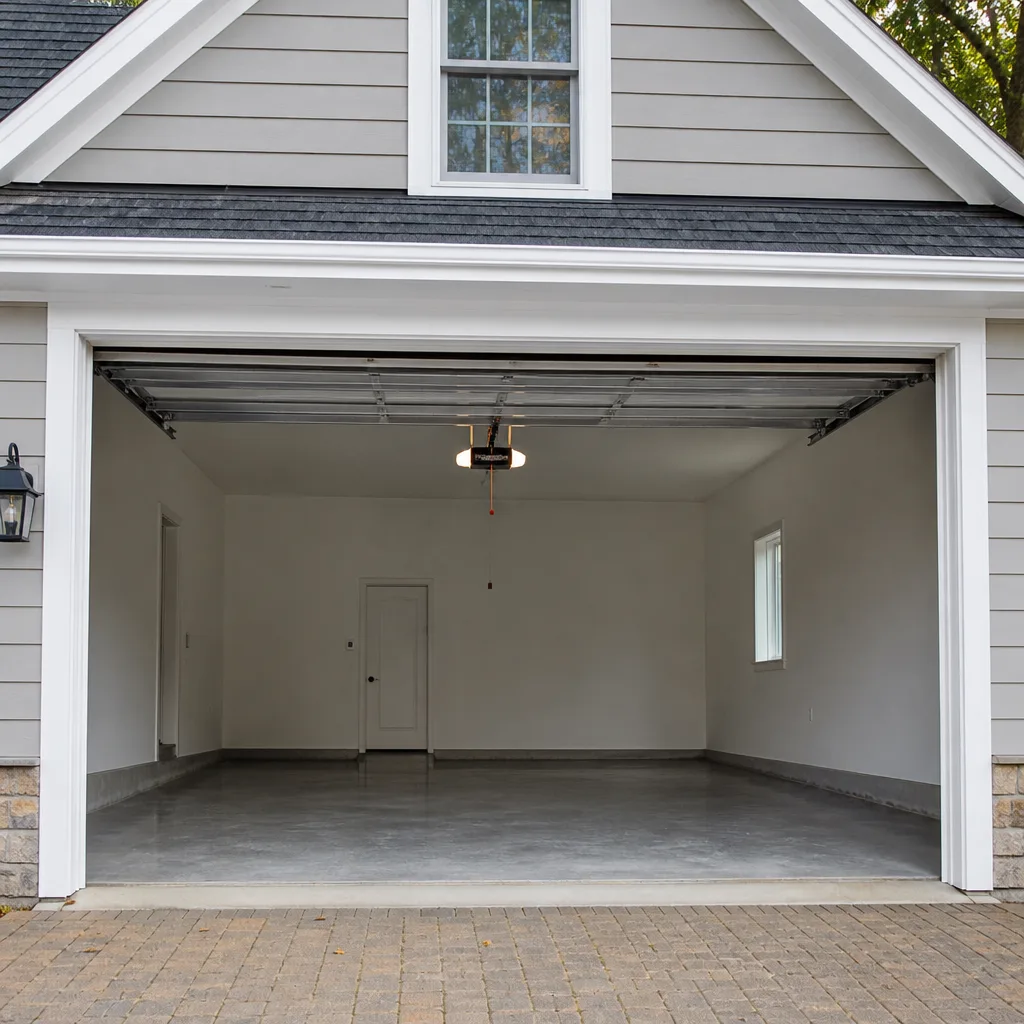 Chamberlain openers
Full 25-point door and opener safety check with every visit - springs, cables, rollers, tracks, and your LiftMaster or Chamberlain opener included
You get a price before we start. It does not change when the truck arrives.
Get your free estimateThe Complete Garage Door Repair Guide for Pacific Beach Homeowners
The garage door that worked flawlessly in Scottsdale or Mesa will start showing corrosion, swollen panels, and sticky rollers within 18 months of sitting one mile from the Pacific. It’s not a defect in the door. It’s the environment. Most repair guides were written nowhere near an ocean, so they miss what actually breaks in Pacific Beach. This guide maps the specific failure patterns caused by salt air, marine layer humidity, and sandy grit to the exact components they destroy, and walks you through what to fix, what to replace, and what to never touch yourself.
Styles & brands we work with
- Raised-panel steel
- Carriage house
- Modern flush
- Full-view glass
- LiftMaster openers
- Chamberlain openers
Quick Answer
Garage Door Repair in Pacific Beach typically costs $150 to $450 for most jobs, with spring replacement running $180 to $340, and is usually completed the same day. The most common failures we see in this specific coastal market are corrosion-accelerated torsion spring breaks, swollen wood panels binding in tracks from marine layer moisture, and roller bearings seized by sand. If your door has visible rust on hardware, hasn’t been lubricated in over a year, or makes grinding noises, call (866) 282-5711 for a free estimate before a small problem becomes a door that won’t open at all.
Table of Contents
- Why Pacific Beach Breaks Garage Doors Differently
- How Salt Air Destroys Torsion Springs (And What to Do About It)
- Marine Layer Humidity and Panel Swelling: A Coastal-Specific Failure
- Sand in Roller Bearings and Track Wear
- DIY-Safe Repairs vs. Repairs That Injure People Every Year
- The Pacific Beach Triage Framework: What to Fix First
- What Garage Door Repair Costs in Pacific Beach
- Common Mistakes to Avoid
- When to Call a Professional
- Frequently Asked Questions
- The Bottom Line
Why Pacific Beach Breaks Garage Doors Differently
Pacific Beach sits directly on the coast, and that means three things working against your garage door year-round: airborne salt, persistent moisture, and wind-driven sand. A door in Clairemont or La Jolla Village deals with some coastal influence, but the closer you are to Mission Boulevard and the boardwalk, the more aggressive the environment gets. We’ve opened panels on PB doors that looked five years old on the outside and found hardware inside that looked twenty. The salt air is the primary culprit. It gets into every hinge, every spring coil, every roller bearing, and it never stops. Homeowners who moved here from inland cities like Temecula or Poway are often surprised by how fast things corrode. It’s not that the door was cheap. It’s that nobody warned them what coastal exposure does to galvanized steel, and certainly not that the original springs were rated for a dry climate.
The second factor is the marine layer. From May through July especially, Pacific Beach wakes up under a blanket of fog that burns off by late morning. That daily cycle of condensation and evaporation means your garage door absorbs moisture overnight and dries out during the day. Wood panels swell. Composite panels absorb water around the edges. Metal parts that have any scratch or worn coating start oxidizing faster than they would even in a rainy climate, because salt is present in that moisture. The third factor is sand. It’s not just at the beach. It’s in the air, it’s on your driveway, it works its way into the bottom seal, and it gets thrown into the tracks by the wind. Sand in a roller bearing acts like sandpaper. Over 12 to 18 months, a bearing that should spin freely now grinds, then seizes.
All of this means the repair timeline in Pacific Beach is compressed compared to inland San Diego. A torsion spring rated for 10,000 cycles might fail at 6,000 or 7,000 here if it hasn’t been lubricated and inspected. A bottom seal that would last five years in Santee will crack and pull away in three. Knowing this isn’t about fear. It’s about knowing what to look for before you’re standing in your driveway at 7 a.m. with a door that won’t lift.
How Salt Air Destroys Torsion Springs (And What to Do About It)
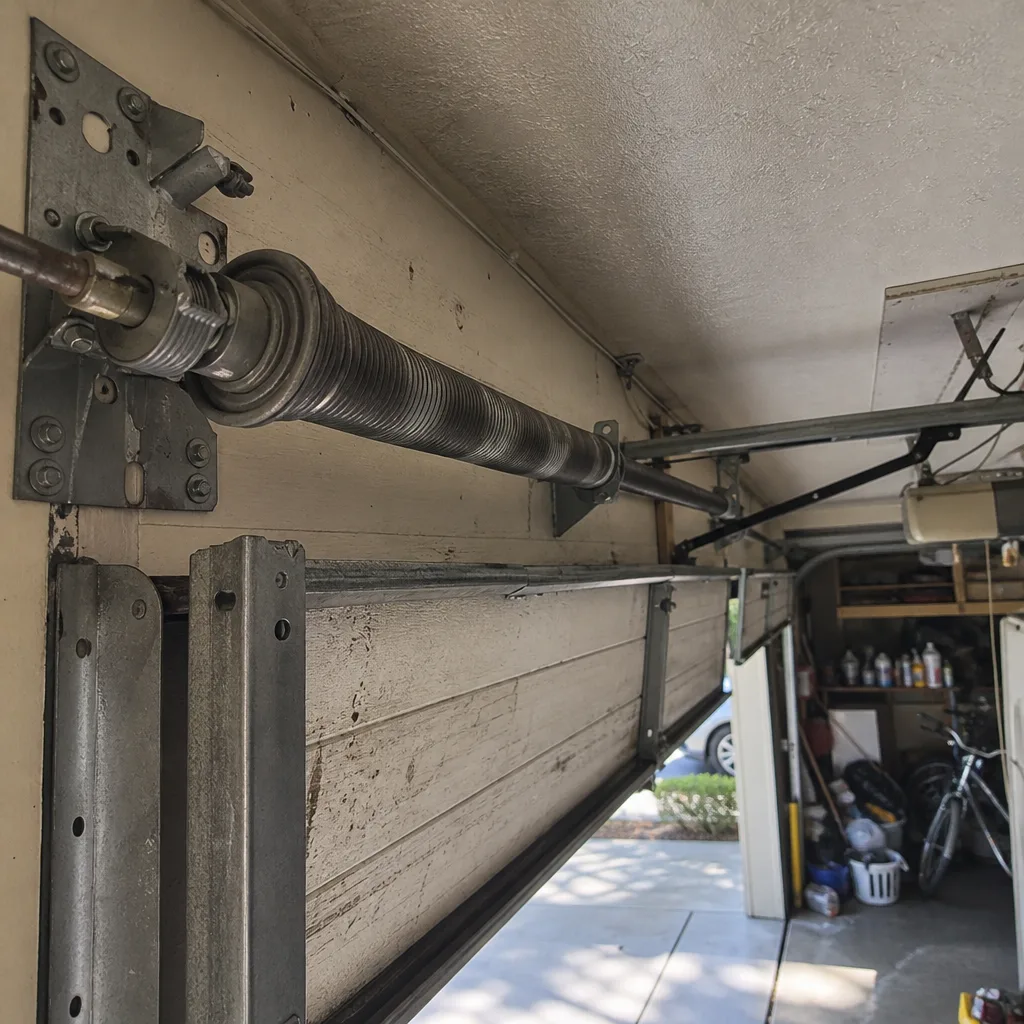
Torsion springs do the actual work of lifting your garage door. The opener motor just guides them. When a spring breaks, the opener strains against hundreds of pounds of dead weight, and if you keep pressing the button, you’ll burn out the motor. In Pacific Beach, we see springs fail for one reason more than any other: corrosion pits on the coil surface. Salt air settles on the spring, works into micro-scratches in the coating, and creates tiny rust pits. Under repeated tension, those pits become stress fractures. The spring doesn’t gradually weaken in a way you’d notice. It snaps, usually when the door is down, with a sound like a gunshot. If you’ve heard that sound in a Pacific Beach garage, you know exactly what it was.
Most residential torsion springs are rated for 10,000 open-and-close cycles. That’s roughly seven to nine years of daily use in a dry climate. In coastal Pacific Beach, with salt accelerating corrosion, we often see failures at four to six years, sometimes sooner on doors facing west toward the ocean. The springs on the door don’t know what climate they were rated in. They just fail. This is why we tell Pacific Beach homeowners the same thing every time: if you’re replacing springs here, spend the modest upcharge for galvanized or oil-tempered springs with a corrosion-resistant coating. The standard spring will work. The coated spring will work three to four years longer in this specific air. That’s not marketing. That’s metallurgy.
Warning signs a spring is near failure in Pacific Beach: visible rust streaks on the coils, a gap in the spring coil (visible separation), the door feeling noticeably heavier when you lift it manually, the opener straining and laboring on the way up, or the door rising unevenly. If you see rust on the spring and it’s been more than five years since it was replaced, don’t wait for the snap. Garage door repair in Pacific Beach is always cheaper and less disruptive before the failure than after. A broken spring means the door is dead weight. You’re not opening it without risking serious injury or damage to the tracks and panels.
Marine Layer Humidity and Panel Swelling: A Coastal-Specific Failure
Every June, Pacific Beach gets calls from homeowners whose doors worked fine in April and suddenly bind, scrape, or stick partway up. The cause isn’t the tracks. It’s the panels themselves. Wood garage doors and wood-composite panels are porous. During the marine layer season, when fog sits on the neighborhood every night, those panels absorb moisture. They swell. A door that had an eighth-inch clearance on each side of the track in spring now has zero clearance. The panels rub. The door jerks. In bad cases, the bottom panel’s corners dig into the track and the opener reverses because the resistance is too high.
This failure mode is almost never discussed in generic garage door repair guides because it’s rare outside coastal markets. A door in El Cajon or Escondido doesn’t absorb enough atmospheric moisture to change dimension. A door two blocks from Fanuel Street Park absolutely does. We’ve measured panel expansion on Pacific Beach doors of up to a quarter inch during sustained June Gloom. That’s enough to turn a smooth door into a stuck one.
What you can do: first, check the clearance on both sides of the door with a flashlight. Look for rub marks on the panel edges. If you see paint worn away or bare wood showing, that’s the smoking gun. Second, note whether the problem appears or worsens during the marine layer months and improves during Santa Ana conditions in fall. That seasonal pattern confirms moisture swelling. Third, if you have a wood door, make sure it’s sealed on all six sides, including the bottom edge and the top edge, not just the face. Most finish failures start on the edges, where water wicks in. For composite doors from manufacturers like Clopay or Amarr, the edges are usually factory-sealed but can delaminate after years of coastal exposure. If the panel itself is compromised, replacement is the durable fix. If the door is structurally sound but binding, a track adjustment and minor clearance work usually solves it. This is the kind of repair that looks easy on YouTube and is miserable in practice, because the tolerances are tight and the door is heavy. It’s a good candidate for a professional diagnosis rather than a weekend project.
Sand in Roller Bearings and Track Wear
Pacific Beach sand doesn’t stay on the beach. The same afternoon breeze off the ocean that makes the neighborhood so livable also carries fine grit into garages, especially within a few blocks of the boardwalk. That sand settles on horizontal surfaces, works into the bottom seal, and finds its way into roller bearings. A garage door has anywhere from 10 to 12 rollers, depending on the door, and each roller has tiny steel ball bearings inside a sealed or semi-sealed housing. When sand gets inside that housing, it grinds. The roller stops rolling smoothly. It starts sliding inside the track. Then it flat-spots, which causes the door to shudder and jerk on the way up, which puts lateral stress on the hinges, which eventually cracks the hinge or pulls screws out of the panel.
The sound tells you a lot. A door with sand in the bearings sounds like grinding, crunching, or scraping rather than a clean roll. A door with a worn track sounds like metal-on-metal squealing, and you’ll often see visible grooves worn into the inside surface of the vertical track. Both are mechanical wear, and both get worse the longer you ignore them. Silicon spray or white lithium grease on the outside of the roller does nothing for a bearing that’s jammed with sand. The fix is replacement. Rollers are inexpensive. The labor to swap 12 rollers is straightforward for a trained technician and surprisingly tedious for anyone else. This is one of those repairs where the part costs $8 and the frustration costs a lot more.
Prevention matters more than repair here. Once a year, wipe down the vertical tracks with a rag, clean the bottom seal, and visually inspect the rollers. If your garage faces a street with regular traffic or sits close to the beach path, you’ll need to do this more often than a homeowner in North Clairemont. A silicon-based lubricant on the hinges and a dry graphite or silicon spray on the track itself helps keep things moving. Do not use grease on the tracks. Grease holds sand. In Pacific Beach, that turns your track into a grinding strip within weeks.
DIY-Safe Repairs vs. Repairs That Injure People Every Year
We’re going to be blunt here, because every year homeowners in Pacific Beach get hurt doing garage door repairs that looked simple in a video. The statistics don’t make it into the guides. Torsion springs are under hundreds of pounds of tension. When one releases unexpectedly, it moves with enough force to break bones, remove fingers, or worse. Cable assemblies under tension can snap and whip. A door that weighs 150 to 300 pounds can crush or pin a person if it falls. None of this is exaggeration. Garage door injuries send tens of thousands of Americans to emergency rooms annually, and a significant share of those involve DIY spring or cable work.
Here is the honest breakdown of what’s safe for a careful homeowner and what isn’t:
- Safe to do yourself: Lubricating hinges, rollers, and springs with the correct product; cleaning the tracks and photo-eye sensors; checking and tightening visible bolts and screws on brackets; testing the auto-reverse safety feature; replacing the remote battery; clearing small obstructions from the track; wiping down weatherstripping and the bottom seal with a mild cleaner.
- Borderline, depends on your skill and tools: Replacing the bottom seal on a standard door; adjusting the opener’s travel limits and force settings; realigning photo-eye sensors; replacing a remote or keypad and reprogramming it.
- Never do yourself: Replacing or adjusting torsion springs; replacing or adjusting lift cables; removing or loosening the bottom bracket under tension; replacing a track that’s under tension; any work that requires you to stand under a raised door that isn’t mechanically and securely held.
The rule we tell every Pacific Beach homeowner: if the repair involves a part under tension, or if the door has to be fully raised and you don’t have the proper locking bars or a second person who knows what they’re doing, call a professional. Bison Garage Door Repair home page covers our service area and approach. The free estimate is always the right first move when you’re unsure. A stuck garage door doesn’t wait for a convenient time, but a rushed DIY fix on a tensioned part can turn a $200 repair into a $2,000 hospital bill and a broken door.
The Pacific Beach Triage Framework: What to Fix First
When multiple things on your garage door are failing at once, and in Pacific Beach’s environment they often do, you need a way to prioritize. We use a three-tier framework that weighs safety risk, security risk, and inconvenience. Here’s how it works:
- Safety risk (fix immediately): Any issue with springs, cables, or the door’s balance. If the door is heavy to lift, if you see a gap in a spring coil, if a cable is frayed or off the drum, or if the door falls when released halfway, this is a safety emergency. Fix this before anything else. Period.
- Security risk (fix within days): A door that won’t close, a broken latch, a panel that’s cracked or separated enough to allow access, or an opener that reverses when it shouldn’t. In Pacific Beach, where garages often hold surfboards, bikes, and tools, an unsecured garage door is an open invitation. Don’t leave the neighborhood for a weekend with a door that won’t lock down.
- Inconvenience (schedule when practical): Noisy rollers, slow opener response, a keypad that needs new batteries, cosmetic rust on hardware that’s not structural. These matter and should be addressed, but they don’t justify an emergency call. Bundle them into one service visit and save yourself the trip charge.
Here’s the thing about triage in a coastal market: the categories shift faster here. A noisy roller in a dry climate is an inconvenience you can ignore for months. A noisy roller in Pacific Beach is likely sand in the bearing, and within weeks it becomes a flat-spotted roller, then a cracked hinge, then a door off track. That’s a security problem and a repair that costs three times more than a roller swap. The salt air and sand in this neighborhood accelerate the timeline between categories. When in doubt, call sooner rather than later.
What Garage Door Repair Costs in Pacific Beach
Pacific Beach repair pricing runs close to San Diego county averages, with modest variation for coastal conditions. The numbers below reflect what we’ve seen in this zip code over the past few years. They’re ranges, not quotes, because every door and every failure is different. A quote over the phone without seeing the door is a guess. A written quote after inspection is a commitment.
| Repair Type | Typical Cost Range in Pacific Beach | Notes |
|---|---|---|
| Single torsion spring replacement | $180 – $280 | Both springs should generally be replaced at once; galvanized or coated springs cost $20-$40 more and last longer in coastal air. |
| Double torsion spring replacement | $280 – $450 | Includes both springs; common on heavier or double-wide doors. |
| Roller replacement (full set) | $120 – $200 | Nylon rollers quieter and more corrosion-resistant than steel; worth the upgrade in Pacific Beach. |
| Track adjustment or realignment | $100 – $175 | Often required after panel swelling during June Gloom. |
| Bottom seal replacement | $90 – $150 | UV in San Diego’s sun angle degrades seals faster; replacement every 3-4 years is typical here. |
| Opener repair (gear, logic board, or motor) | $150 – $350 | Brand-specific for LiftMaster, Chamberlain, Genie, and others; diagnosis first. |
| Cable replacement | $150 – $250 | Never DIY this one; cables are under tension and can cause severe injury. |
Two things about these numbers. First, any price you’re quoted should be agreed upon before any work starts. No reputable garage door company in Pacific Beach, including us, should start a repair without telling you the cost up front. Second, where you live within Pacific Beach matters less than you might think for pricing, but it matters a lot for longevity. A door on the ocean side of Mission Boulevard will need springs, rollers, and seals replaced more frequently than a door in the hills above Garnet. Plan for that when budgeting.
For a full replacement or a new installation, pricing ranges from roughly $900 for a basic steel single door to $3,000 or more for a custom or wood door, excluding opener. Garage door installation in Pacific Beach involves measuring, ordering, and scheduling, so it’s a different timeline than a repair. It’s never a same-day job unless the door is in stock and the opening is standard. Free measure and written price should always be part of the process.
Common Mistakes to Avoid
- Ignoring rust on the spring until it snaps. In Pacific Beach, rust on a torsion spring is not cosmetic. It’s a countdown. If the spring has visible rust and it’s been more than five years, replace it before it fails at the worst possible time, like when your car is inside and you need to leave.
- Using WD-40 on rollers and tracks. WD-40 is a cleaner, not a lubricant. On tracks, it leaves a residue that holds Pacific Beach sand. On rollers, it strips what little lubrication remains. Use a silicon-based or white lithium product made for garage doors instead.
- Forcing the opener when the door is binding. A swollen panel or a seized roller means the opener is fighting resistance it wasn’t designed for. Holding the button down or reprogramming the force settings to push harder doesn’t fix the binding. It burns out the motor or strips the gear. Diagnose the mechanical problem first.
- Replacing one spring when both are worn. Torsion springs wear together. Replacing only the broken one means the other fails weeks or months later, and you pay for the service visit twice. Replace them as a pair.
- Skipping the annual inspection because the door works. In Pacific Beach, a door that works is a door that’s failing slowly. Salt corrosion and sand wear don’t announce themselves until something breaks. An annual inspection catches a $10 roller before it becomes a $300 track repair.
- Painting over corroded hardware without addressing the corrosion. Paint on a rusted hinge or spring bracket hides the problem and makes it worse by trapping moisture. Remove the rust, treat the metal, then coat it, or better yet, replace the part.
- Waiting until the door fails completely to call. A door that shudders, squeals, or struggles is telling you something. The repair is almost always cheaper before the failure than after. The driveway call is free. The middle-of-the-night breakdown is not.
When to Call a Professional
Call a garage door professional when the problem involves any tensioned component (springs or cables), when the door has come off its track, when the opener’s motor runs but the door doesn’t move, or when you hear a sharp sound followed by the door behaving differently. Also call when you’ve diagnosed the issue but don’t have the tools or the second set of hands to do the job safely. Garage doors are the heaviest moving object in most homes, and the margin for error on a spring or cable repair is zero. Garage door opener repair in Pacific Beach is a separate specialization from door repair, so if your opener is the problem, make sure the company you call works on your specific brand, whether that’s LiftMaster, Chamberlain, Genie, or another. Bison Garage Door Repair offers free estimates in Pacific Beach. Call (866) 282-5711 and we’ll take a look. No charge for the estimate, no work begins without a clear price.
Frequently Asked Questions
Most garage door repairs in Pacific Beach cost between $150 and $450, with torsion spring replacement typically running $180 to $340. Coastal conditions like salt air corrosion and sand infiltration can push some repairs toward the higher end of the range, especially if multiple components have failed at once. Call (866) 282-5711 for an exact quote after a quick inspection, and the price will be agreed before any work starts.
Yes, most mechanical repairs like spring replacement, roller replacement, and track adjustments can be completed the same day in Pacific Beach. Opener repairs sometimes require a specific part for your brand, which may mean a next-day completion. Full installations and new door orders are measured and scheduled, never same-day. Call (866) 282-5711 in the morning and we’ll let you know exactly when we can be there.
In Pacific Beach, salt air accelerates corrosion on torsion springs, creating tiny rust pits that become stress fractures under tension. A spring rated for 10,000 cycles in a dry climate can fail at 6,000 to 7,000 cycles here, especially on west-facing doors near the ocean. If your door is a few years old and the spring snapped, corrosion is the most likely culprit, not a defect in the door.
Most trucks do not carry every spring size for every door, but we carry the most common sizes and components for standard residential doors. If a specific part isn’t on the truck, we’ll tell you up front and schedule a return visit, usually the next day.
No, the price we quote after looking at the door in person is the price you pay. We do not start work until you’ve approved the number. If we find an additional issue during the repair, we’ll stop, show you what we found, and give you a new number before proceeding.
You should stop using the door and call a professional. A grinding noise in Pacific Beach usually means sand has gotten into the roller bearings, and continued use will flat-spot the rollers, crack the hinges, and potentially pull the door off its track. The repair is far cheaper before that happens than after.
The Bottom Line
Pacific Beach is one of the best places in California to live, and one of the hardest on garage doors. The salt air corrodes springs faster, the marine layer swells panels, and the sand grinds down bearings. A homeowner who knows what to look for, lubricates regularly, and replaces worn parts before they fail will get years more life from their door than a neighbor who waits for the loud noise. When something does break, call a specialist who knows this specific environment, or read The Complete Guide to Garage Door in Pacific Beach for deeper context. Call Bison Garage Door Repair at (866) 282-5711 for a free estimate on any repair, opener issue, or new door. We’ll give you an honest diagnosis and a clear price before any work starts. Your door. Fixed right. That’s the whole job.
Written by the team at Bison Garage Door Repair, serving Pacific Beach since 2016.
See the difference
 Before
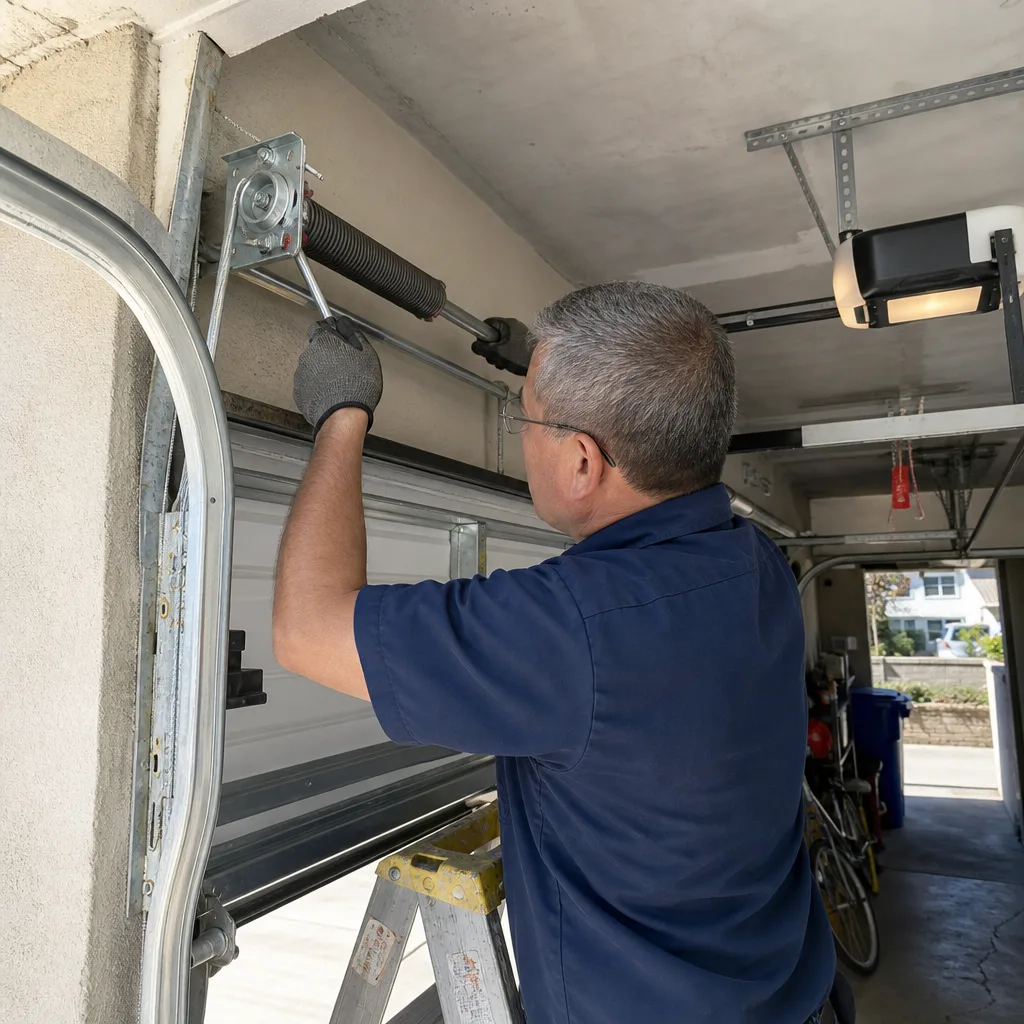 After
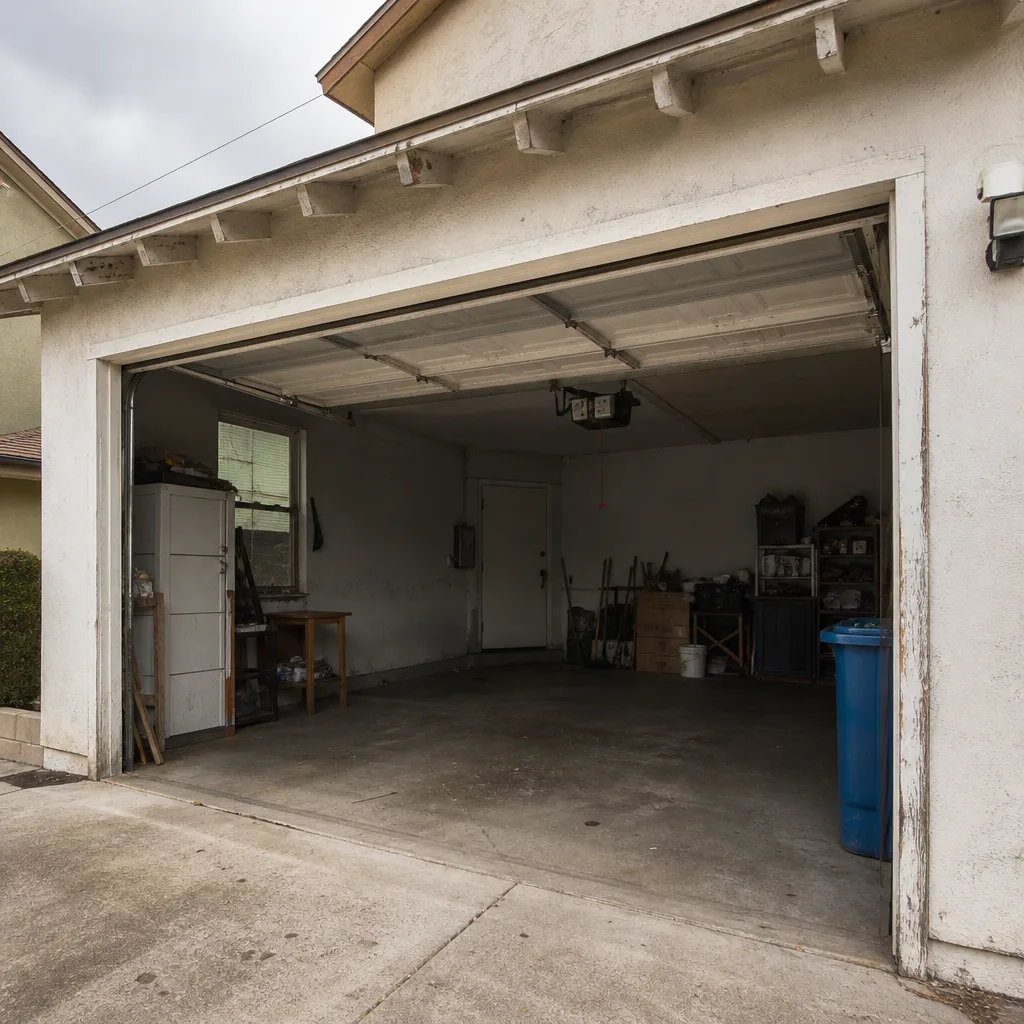 Before
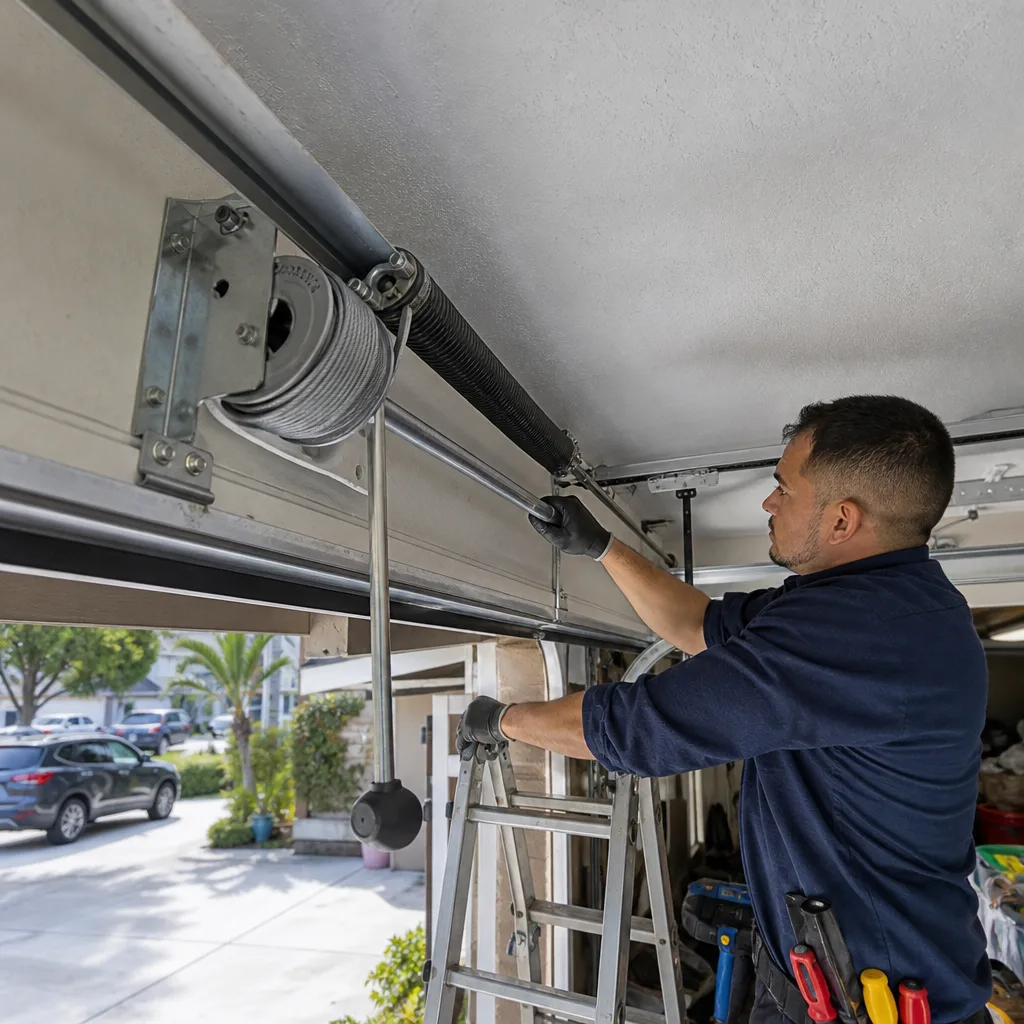 After
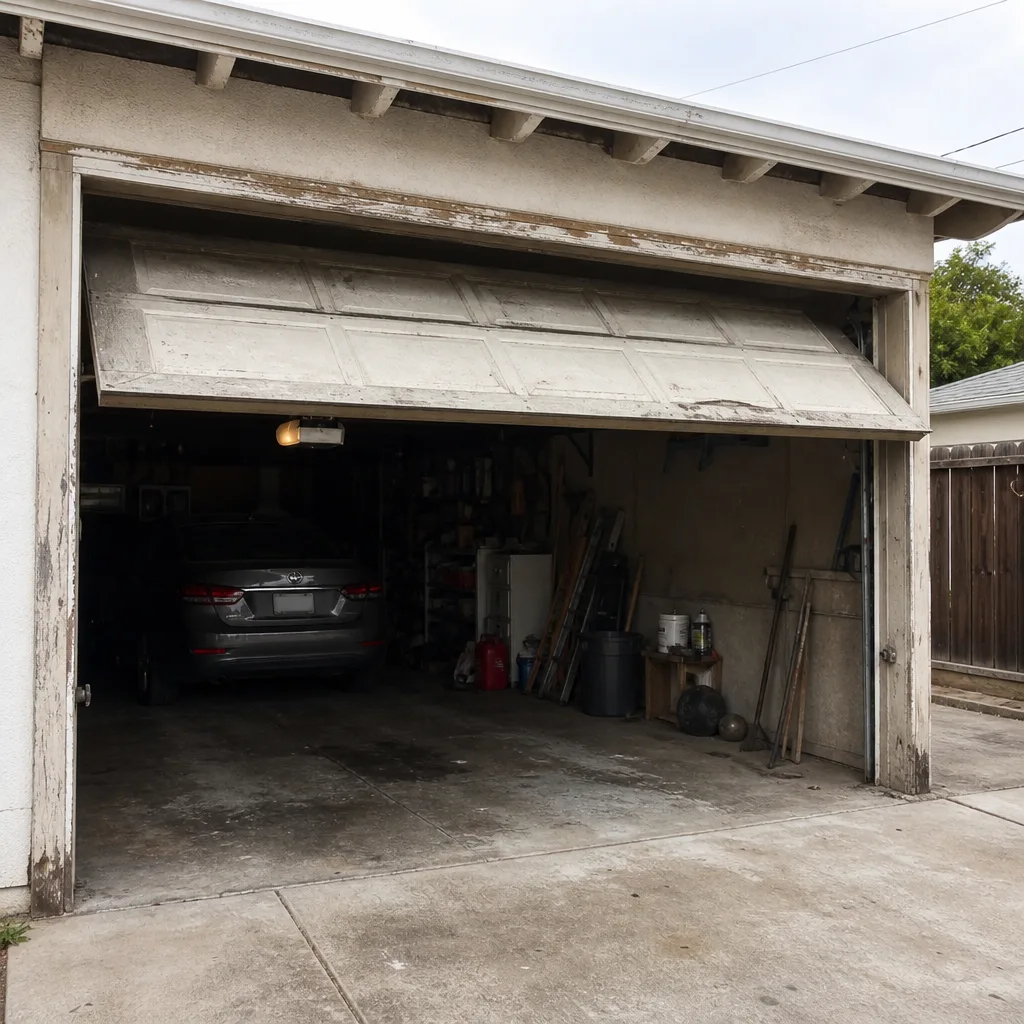 Before
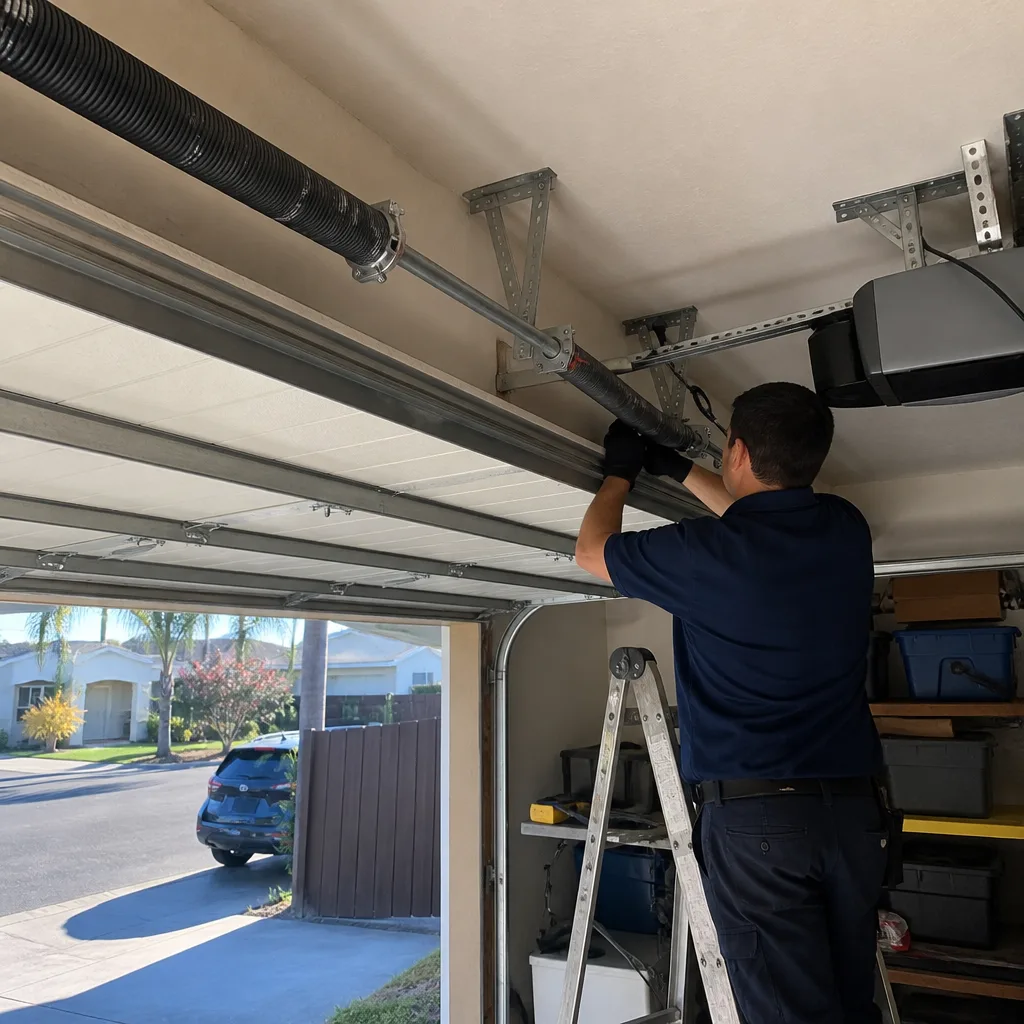 After